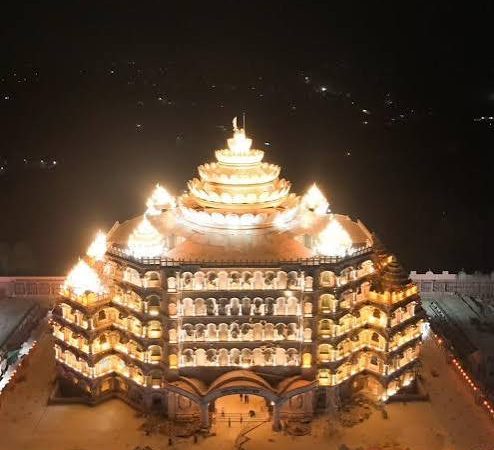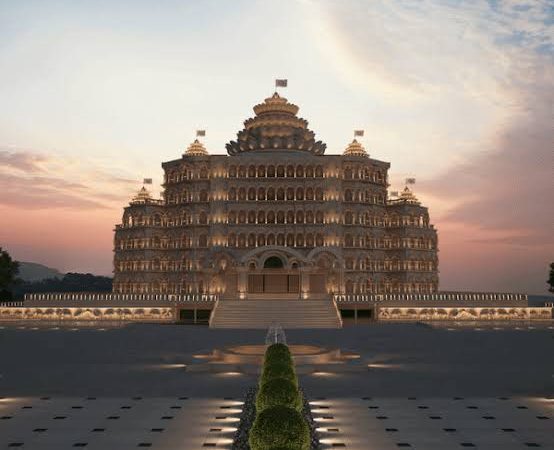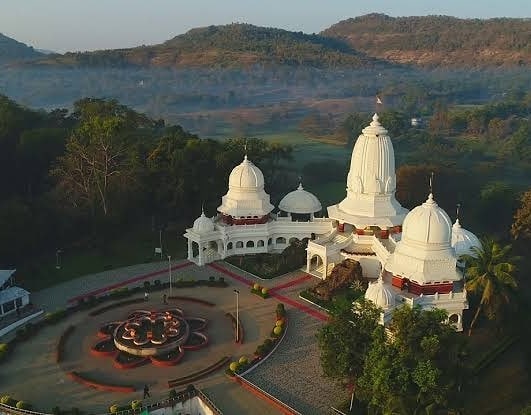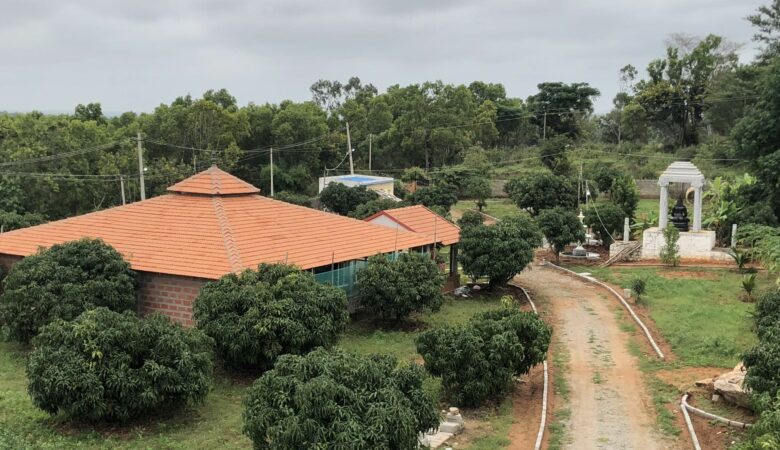

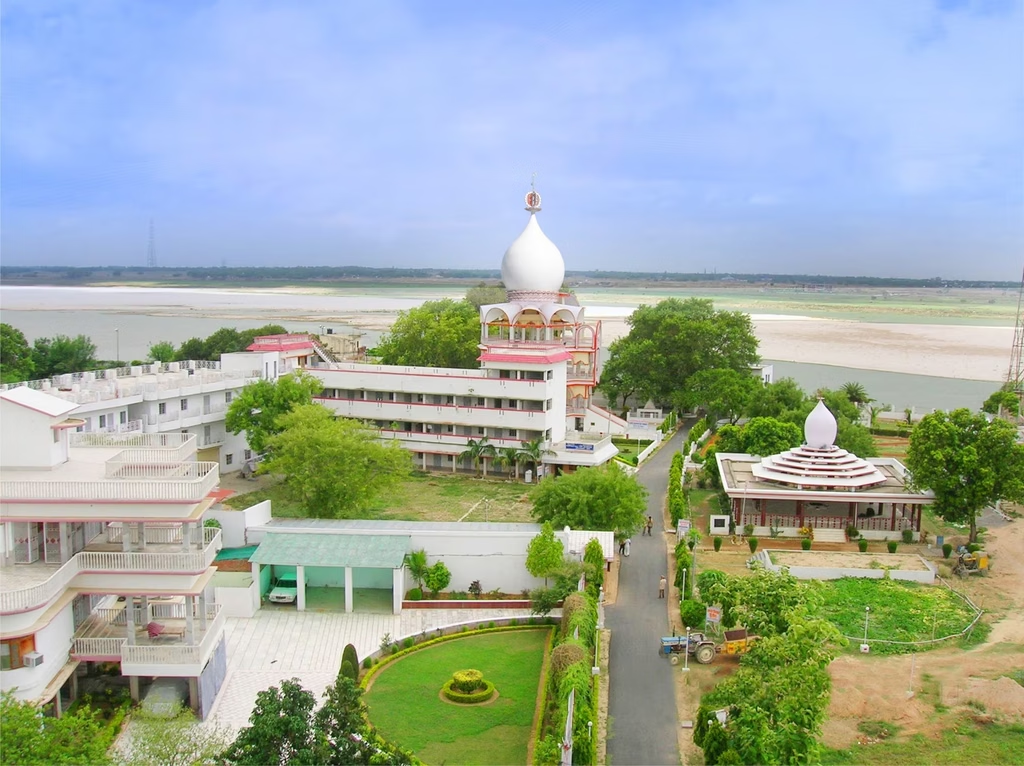
Sadafal Deo Ashram Jhusi, also known as Maharshi Sadafaldeo Ashram, is a prominent spiritual destination situated on the banks of the sacred River Ganga in Jhunsi, Prayagraj, Uttar Pradesh. Located on Chhatnag Road, near the Harish-Chandra Research Institute (HRI), the ashram serves as the international headquarters of Sadguru Sadafaldeo Vihangam Yoga Sansthan. Its peaceful surroundings, meditation cave, temple, and proximity to the Triveni Sangam make it an important destination for spiritual seekers and visitors exploring Prayagraj. Founded on the teachings of Sadguru Sadafal Deo Ji Maharaj, the ashram offers an environment for meditation, spiritual learning, and reflection through the practices of Vihangam Yoga.
Table of Contents
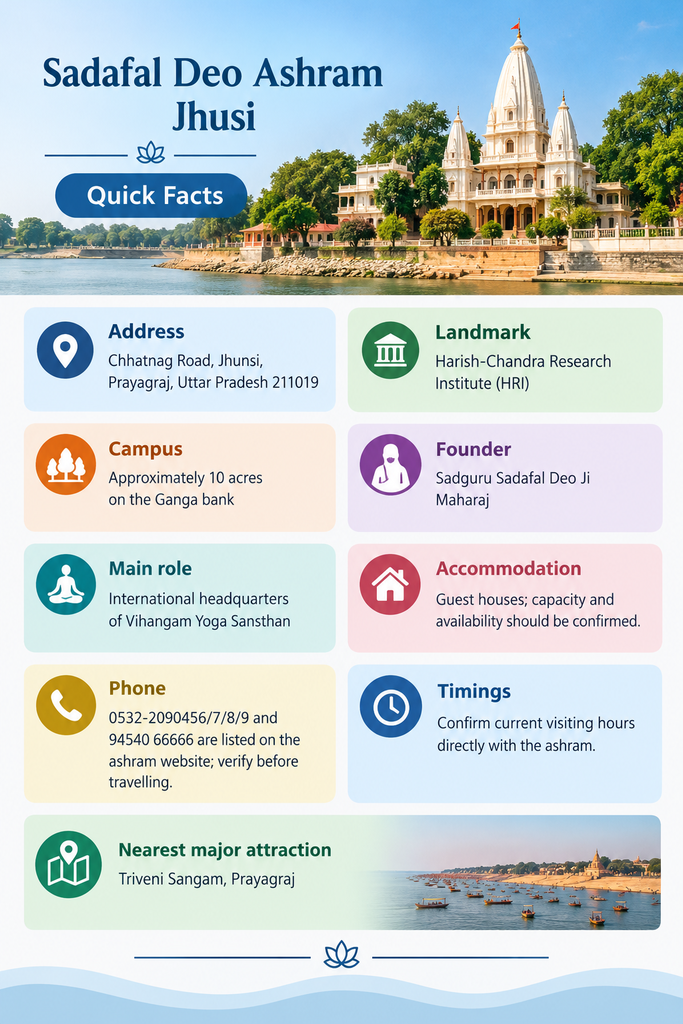
Quick Facts About Sadafal Deo Ashram Jhusi
| Detail | Information |
|---|---|
| Address | Chhatnag Road, Jhunsi, Prayagraj, Uttar Pradesh 211019 |
| Landmark | Harish-Chandra Research Institute (HRI) |
| Campus | Approximately 10 acres on the Ganga bank |
| Founder | Sadguru Sadafal Deo Ji Maharaj |
| Main role | International headquarters of Vihangam Yoga Sansthan |
| Accommodation | Guest houses; capacity and availability should be confirmed |
| Phone | 0532-2090456/7/8/9 and 94540 66666 are listed on the ashram website; verify before travelling |
| Timings | Confirm current visiting hours directly with the ashram |
| Nearest major attraction | Triveni Sangam, Prayagraj |
About Maharshi Sadafal Deo Ashram
Maharshi Sadafal Deo Ashram is more than a traditional religious site. It is the operational international headquarters of Sadguru Sadafaldeo Vihangam Yoga Sansthan and an important centre for the study and practice of Vihangam Yoga (Wikipedia). The ashram is surrounded by greenery and lies close to the Ganga, creating a peaceful setting for meditation, spiritual study, and personal reflection.
Sadguru Sadafal Deo Ji Maharaj regarded this place as his spiritual “university.” It represents the tradition of learning through meditation, disciplined practice, and guidance from a realised spiritual teacher. Followers visit the campus to understand the teachings of Vihangam Yoga and deepen their spiritual practice.
The ashram’s principal attractions include the temple built over the Guru’s meditation cave, meditation spaces, and nearby samadhi. The wider campus also supports visitors and practitioners through facilities intended for spiritual activities and residential stays.
Those interested in exploring related spiritual destinations can also learn about Swarved Mahamandir in Varanasi and Dandakvan Ashram, Gujarat. For information about the organisation’s teachings and activities, visit the Vihangam Yoga official page.
History of the Ashram
The history of Sadafal Deo Ashram in Jhusi is closely connected with the life and spiritual journey of Sadguru Sadafaldeo Ji Maharaj. According to the ashram’s official account, he began meditating at this Ganga-side location in 1921. The place became an important centre for his spiritual practice and the development of his teachings.
The tradition holds that he received the title and authority of Sadguru at this sacred location. He regarded the ashram as a place of profound spiritual learning, where meditation and inner realisation were central to a seeker’s progress. The meditation cave associated with him remains one of the most significant features of the campus.
On 11 February 1954, Sadguru Sadafal Deo Ji Maharaj left his physical body at Jhunsi while seated in a yogic posture, according to accounts preserved by the tradition. His samadhi is located just outside the campus and continues to be a place of reverence for followers.
Today, Sadafal Deo Ashram in Jhusi, Prayagraj preserves this spiritual legacy through meditation facilities, devotional activities, and the continued work of Vihangam Yoga Sansthan. Its historical importance and riverside setting make it a meaningful stop for visitors interested in India’s spiritual traditions.
What to See at the Ashram
The ashram offers several places of spiritual and cultural interest. Visitors should check access arrangements locally, especially if they wish to enter meditation areas or attend a religious programme.
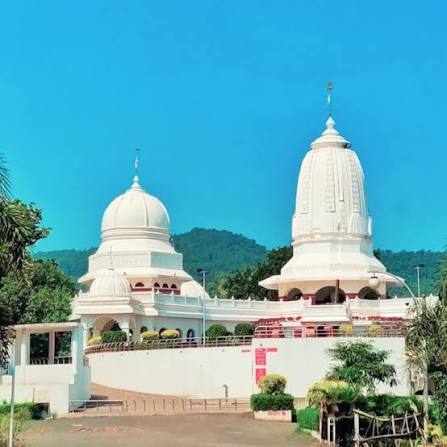
Temple Over the Meditation Cave
The ashram’s prominent temple is a four-floor structure built over the meditation cave associated with Sadguru Sadafal Deo Ji Maharaj. The cave is an important part of the site’s spiritual history, and the upper floors feature sculptures of the Guru. These spaces are associated with meditation and spiritual contemplation. Access to the cave or specific floors may depend on ashram rules and ongoing activities, so visitors should ask the authorities before entering restricted areas.
Samadhi of Sadguru Sadafal Deo
The samadhi of Sadguru Sadafal Deo Ji Maharaj is situated just outside the main campus. It marks the place associated with the final stage of his earthly life in 1954. Followers visit to pay their respects and reflect on his teachings. Since the samadhi is separate from the main campus, ask an ashram representative for directions and any applicable visiting guidelines.
Yajnashala (Havan Hall)
The yajnashala is an octagonal hall used for havan and related spiritual activities. Traditional fire rituals may involve the offering of herbs and other prescribed materials. The hall provides a setting for collective worship and ritual observances. Whether a havan is taking place during your visit depends on the programme schedule, so confirm event timings in advance.
Ganga Ghat and Sukrit Garden
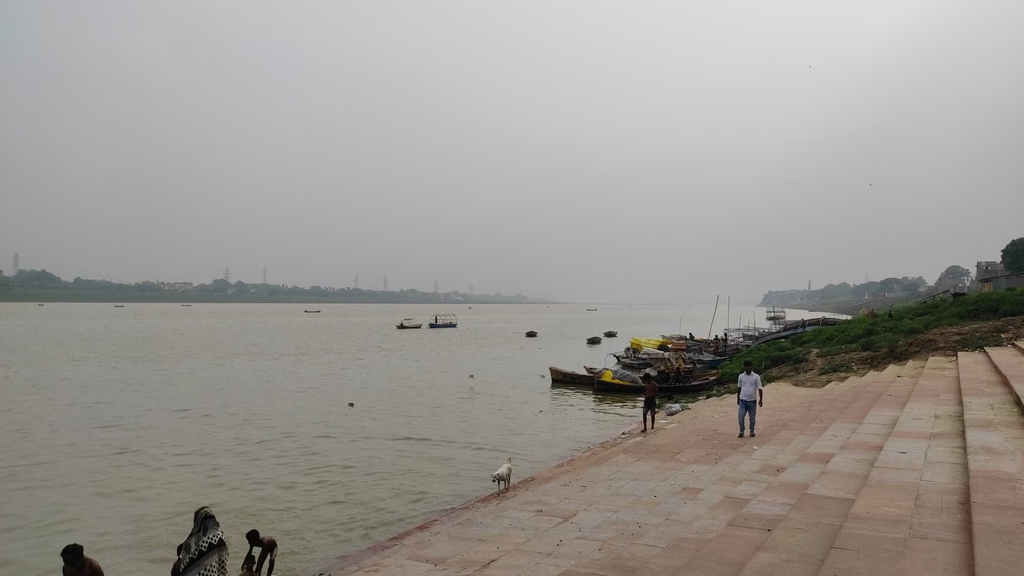
The Ganga ghat near the ashram offers an opportunity to experience the river in a peaceful setting. The ashram’s published description notes that the bathing ghat is approximately 100 steps away. Sukrit Garden adds greenery to the surroundings and includes medicinal plants, including amla. Two walking tracks provide space for gentle walks and quiet reflection. If you plan to approach the river, use safe access points and follow local guidance, especially during the monsoon or periods of strong currents.
Goshala and Library
The ashram’s goshala is associated with the care of cows, with reports describing a herd of more than 50 animals; confirm the current number on arrival. The library provides access to religious scriptures, philosophical works, and literature related to spiritual practice. Both facilities contribute to the campus’s broader emphasis on traditional learning and daily spiritual life.
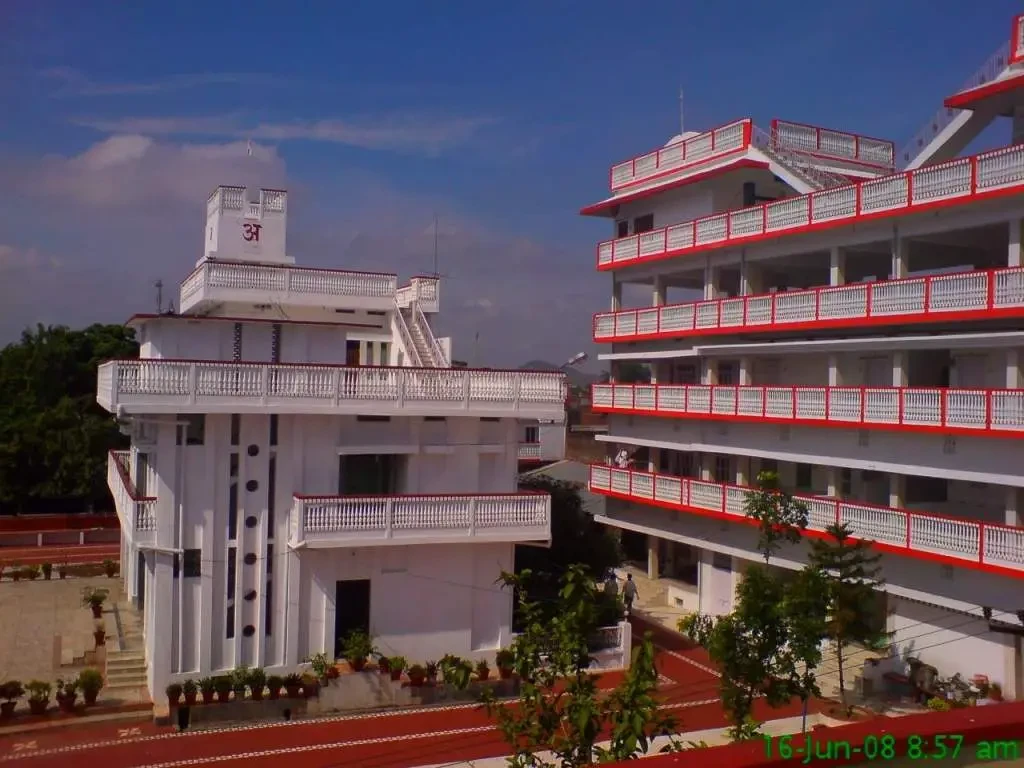
Facilities at the Ashram
The campus is intended to accommodate spiritual practitioners as well as visitors. Available services, access rules, and operating arrangements may change, so contact the administration before planning an overnight stay.
Stay and Guest House
Accommodation is useful for visitors attending meditation sessions, spiritual programmes, or events that require an early start. The ashram has been described as having guest-house facilities, including air-conditioned rooms, air-conditioned dormitory accommodation, and air-cooled rooms. Published descriptions also refer to accommodation for more than 200 people, but current capacity and room availability should be confirmed directly.
To arrange a stay, contact the ashram using a verified telephone number and ask about room categories, availability, check-in and check-out times, identification requirements, and charges. Clarify whether advance reservations are required and whether accommodation is available to general visitors or only for specific programmes. Do not assume that rooms are available on arrival, particularly during Magh Mela, Kumbh-related gatherings, or major spiritual events.
Food and Canteen
A pure vegetarian canteen is associated with the ashram. Visitors should enquire about meal timings, availability, and whether meals are included in accommodation charges. If you have specific dietary requirements, inform the administration before arrival. Food-service arrangements may vary according to the number of residents and the schedule of spiritual programmes.
Ayurveda and Panchakarma: Sadafal Arogyam
Sadafal Arogyam is a wellness centre located at Maharshi Sadafaldeo Ashram in Jhunsi. Its services include Ayurveda, naturopathy, Panchakarma, yoga, dietary guidance, and wellness programmes. The centre’s website also provides contact details for consultations and treatment enquiries.
The ashram’s associated Sukrit Pharmacy is described as producing more than 100 Ayurvedic medicines; confirm its current product range and availability directly. If you are considering Panchakarma or another therapy, ask about the practitioner, treatment plan, duration, cost, and suitability for your individual needs. These services should not replace medical diagnosis or prescribed treatment. Consult a qualified medical professional before beginning a therapeutic programme, especially if you have an existing health condition.
Ashram Timings and Visiting Rules
The ashram’s current general visiting hours are not clearly established by the published information reviewed for this guide. Contact the administration before travelling, particularly if you intend to visit the meditation cave, samadhi, library, or a scheduled spiritual event.
| Visiting detail | Recommendation |
|---|---|
| General entry | Confirm the current hours by phone |
| Meditation cave | Ask about access and any restrictions |
| Samadhi | Check directions and local visiting rules |
| Havan or spiritual programmes | Confirm the schedule in advance |
| Guest-house check-in | Arrange directly with the administration |
| Photography | Ask permission before taking photographs |
Visitors should follow these basic guidelines:
- Wear modest, comfortable clothing appropriate for a spiritual setting.
- Maintain silence or speak softly near meditation and worship areas.
- Follow instructions from ashram staff and respect areas marked as restricted.
- Do not smoke, consume alcohol, or bring non-vegetarian food onto the campus.
- Keep the premises clean and avoid disturbing residents or people engaged in meditation.
- Ask permission before photographing people, religious activities, or interior spaces.
How to Reach Sadafal Deo Ashram Jhusi
The ashram is located on Chhatnag Road in Jhunsi, Prayagraj, on the Ganga side of the city. It can generally be reached by road from the city’s railway stations and airport. Because travel distances vary with the chosen route and traffic, use a live navigation service before departure.
From Prayagraj Junction
Prayagraj Junction is a major rail arrival point for visitors travelling from other cities. Taxis, auto-rickshaws, and e-rickshaws may be available for the journey to Jhunsi. Ask the driver to follow the route to Maharshi Sadafaldeo Ashram on Chhatnag Road, near HRI. Travel time depends on traffic and the route selected. Check live maps for the current distance rather than relying on an unverified estimate.
From Jhusi Railway Station
Jhusi Railway Station may be a convenient option for some train services because it is in the same general area as the ashram. However, the most suitable station depends on your train’s stopping pattern and onward transport. Check the station-to-ashram route on a map and arrange an auto or taxi if necessary. Confirm local transport availability if arriving late in the evening.
From Prayagraj Airport (Bamrauli)
Visitors arriving by air can hire a taxi or arrange a private cab from Prayagraj Airport, also known as Bamrauli Airport. The journey crosses parts of the city, and traffic can affect the overall travel time. Enter the complete ashram name and Chhatnag Road address in your navigation app to avoid confusion with other spiritual centres.
From Triveni Sangam
A visit to the ashram can be combined with a trip to Triveni Sangam, Prayagraj’s celebrated confluence area. The two destinations are in the wider Prayagraj region, but the actual journey depends on your starting point, riverfront access, and traffic conditions. Check the route before setting out and allow extra time during festivals or religious gatherings.
Visiting During Magh Mela and Kumbh
Magh Mela takes place annually around January and February in the Sangam area, with exact dates determined by the Hindu calendar. Kumbh-related gatherings also draw very large numbers of pilgrims to Prayagraj at designated intervals. Since Jhunsi lies close to the wider pilgrimage zone, travel conditions around the ashram can change considerably during major religious events.
Visitors may encounter diversions, traffic restrictions, busy roads, and increased demand for accommodation. If you intend to stay at Sadafal Deo Ashram Jhusi during a festival, contact the administration well in advance to check room availability, booking requirements, special programmes, and any restrictions on entry.
Plan your arrival with additional time, particularly on important bathing dates. Follow official traffic and crowd-management instructions, and check whether your chosen route is open to private vehicles. Do not assume that the usual approach road or guest-house arrangements will remain unchanged during the Mela.
The ashram may have its own spiritual programmes during important dates, but their current schedules should be verified directly rather than assumed. Travelling outside peak bathing periods may provide a quieter experience for those mainly interested in meditation, the temple, and the riverside surroundings.
Places to Visit Near the Ashram
Prayagraj has a rich combination of sacred sites, historical monuments, and cultural attractions. Depending on traffic, opening hours, and your available time, you can combine the ashram with some of the following places:
- Triveni Sangam: The celebrated confluence area associated with the Ganga, Yamuna, and the traditionally believed Saraswati. It is a major pilgrimage destination, especially during religious festivals.
- Bade Hanuman Mandir: A well-known temple near the Sangam, famous for its distinctive reclining Hanuman idol. Expect crowds on Tuesdays, Saturdays, and festival days.
- Allahabad Fort: A historic fort near the Sangam, traditionally associated with Emperor Akbar. Access to some sections may be restricted, so check current visitor rules.
- Anand Bhawan: The former residence of the Nehru family, now a museum highlighting aspects of India’s modern political history.
- Akshayavat: A sacred banyan tree associated with religious traditions in Prayagraj. Access arrangements are linked to the fort and surrounding area, so confirm current rules before visiting.
Allow enough time between destinations, particularly during the Magh Mela season, when traffic and security arrangements can significantly affect travel.
Tips for First-Time Visitors:
Call before travelling: Verify visiting hours, room availability, current contact numbers, and access to specific areas.
Carry valid identification: Keep government-issued ID available if you have arranged accommodation.
Dress modestly: Choose comfortable clothing suitable for a religious and meditation environment.
Visit the ghat early: Early morning can be pleasant for experiencing the riverside, but check water conditions and use safe access points.
Respect silence: Keep your phone on silent and avoid loud conversations around meditation areas.
Confirm meals and room charges: Ask whether meals are available and whether accommodation requires advance payment.
Plan for festivals: During Magh Mela and other major gatherings, allow additional travel time and reserve accommodation early.
Follow local instructions: Ask staff before entering restricted areas or taking photographs, and dispose of waste responsibly.
Conclusion:
Sadafal Deo Ashram Jhusi is an important spiritual destination in Prayagraj, combining the legacy of Sadguru Sadafal Deo Ji Maharaj with meditation spaces, riverside surroundings, and visitor facilities. Confirm timings, accommodation, and travel arrangements before your visit. Explore our guides to Sahaja Yoga Ashram, more ashram guides, and other spiritual destinations to plan your next journey.
FAQs:
Q. Where is Sadafal Deo Ashram in Prayagraj?
A. Sadafal Deo Ashram is situated on Chhatnag Road in Jhunsi, Prayagraj, Uttar Pradesh 211019, near the Harish-Chandra Research Institute (HRI). It stands close to the Ganga and the wider Triveni Sangam area.
Q. What are the ashram timings?
A. Current general visiting hours have not been independently confirmed. Contact the ashram before travelling, especially if you want to enter the meditation cave, visit the samadhi, or attend a scheduled programme.
Q. Can we stay at Sadafal Deo Ashram?
A. Guest-house accommodation has been reported, including different room types and dormitory facilities. Availability, eligibility, booking procedures, and charges must be confirmed directly with the administration before your visit.
Q. Is food available at the ashram?
A. A pure vegetarian canteen is associated with the ashram. Confirm meal timings, availability, and whether food is included in the cost of accommodation.
Q. How far is the ashram from Prayagraj Junction?
A. The distance varies according to the road route. Check the current Google Maps directions from Prayagraj Junction to Maharshi Sadafaldeo Ashram, Chhatnag Road, Jhunsi, before starting your journey.
Q. Who founded Vihangam Yoga?
A. Vihangam Yoga is associated with Sadguru Sadafal Deo Ji Maharaj, whose teachings form the foundation of the spiritual tradition followed at the Jhunsi ashram.
Q. Where is the Samadhi of Sadguru Sadafal Deo?
A. The samadhi is located just outside the main ashram campus in Jhunsi. Ask the ashram staff for the appropriate entrance and any visiting guidelines.
Q. What is the ashram’s phone number?
A. The official ashram webpage lists 0532-2090456, 0532-2090457, 0532-2090458, 0532-2090459, and 94540 66666. Since contact details may change, verify them before travelling. The Vihangam Yoga Sandesh contact page also lists +91-9452880257 and +91-9235597785 for enquiries.