
Vihangam Yoga diksha is an important step for spiritual seekers who wish to learn meditation through the Vihangam Yoga tradition. Rooted in the teachings of Sadguru Sadafal Deo Ji Maharaj, this spiritual practice focuses on inner awareness, meditation, self-discipline, and the pursuit of spiritual knowledge. Whether you are exploring meditation for the first time or looking for a structured spiritual path, understanding the initiation process can help you take the next step confidently.
If you are wondering how to learn Vihangam Yoga, where to receive initiation, whether the process is free, or what rules you need to follow afterward, this guide covers the essentials. It also explains how to find an authorised instructor in India or abroad and how to contact an official centre for accurate information about upcoming diksha programmes.
Table of Contents
Quick Facts:
| Particular | Details |
|---|---|
| What is it? | Spiritual initiation into the Vihangam Yoga meditation tradition |
| Who gives diksha? | An authorised instructor or spiritual representative of the organisation |
| Where is it available? | Designated ashrams, meditation centres, and organised programmes |
| Is it free? | The organisation describes its meditation teaching as free; confirm any programme-specific charges |
| Who can take it? | The practice is open to diverse backgrounds; confirm age and arrangements with an authorised centre |
| How to register? | Contact the official organisation or your nearest centre |
| What happens afterward? | Practitioners are guided to follow the meditation method and instructions received during initiation |
What Is Diksha in Vihangam Yoga?
Diksha is a Sanskrit term commonly used for spiritual initiation or the formal beginning of a spiritual practice under the guidance of a qualified teacher. In Vihangam Yoga, diksha introduces a seeker to the tradition’s meditation method and provides guidance on how to begin practising it.
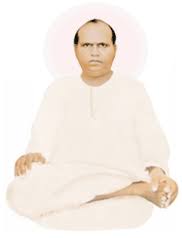
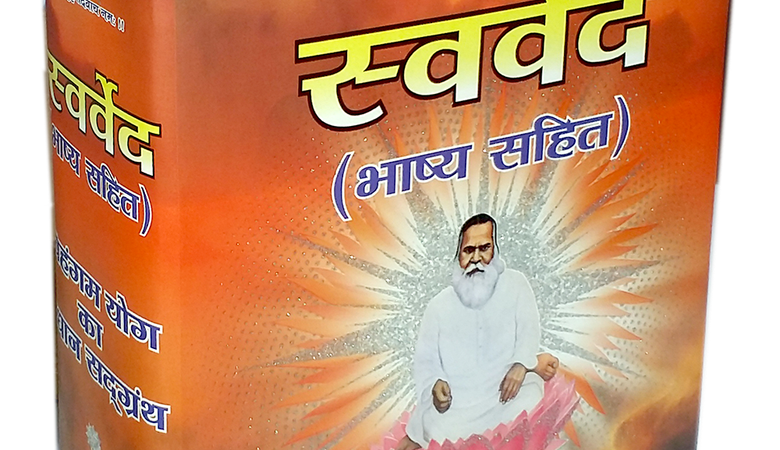
Vihangam Yoga is associated with Brahma Vidya, or spiritual knowledge concerning the self and Supreme Consciousness. The tradition was established by Sadguru Sadafal Deo Ji Maharaj, whose teachings are closely connected with Swarved, a spiritual scripture explaining the philosophy and principles of the practice.
The purpose of Vihangam Yoga diksha is to help seekers begin a disciplined journey of meditation and spiritual understanding. It is not simply attendance at a yoga class or participation in a public religious gathering. Initiation involves receiving guidance about the practice from an authorised representative.
People approach this tradition for different reasons, including a desire for inner peace, improved concentration, greater self-awareness, and spiritual growth. Individual experiences vary, and initiation should be approached as the beginning of a continuing practice rather than a promise of immediate results.
Who Can Take Vihangam Yoga Diksha?
Vihangam Yoga welcomes seekers from diverse social, cultural, and religious backgrounds. The organisation’s published materials describe its teachings as accessible to people from different communities, rather than restricted to a particular caste or religious group.
You may consider seeking diksha if you:
- Want to learn a structured meditation practice.
- Are interested in spiritual knowledge and self-awareness.
- Can make time for regular meditation.
- Are willing to understand and follow the instructions given by your teacher.
- Want to explore the teachings of Sadguru Sadafal Deo Ji Maharaj and Swarved.
How to Learn Vihangam Yoga and Receive Diksha
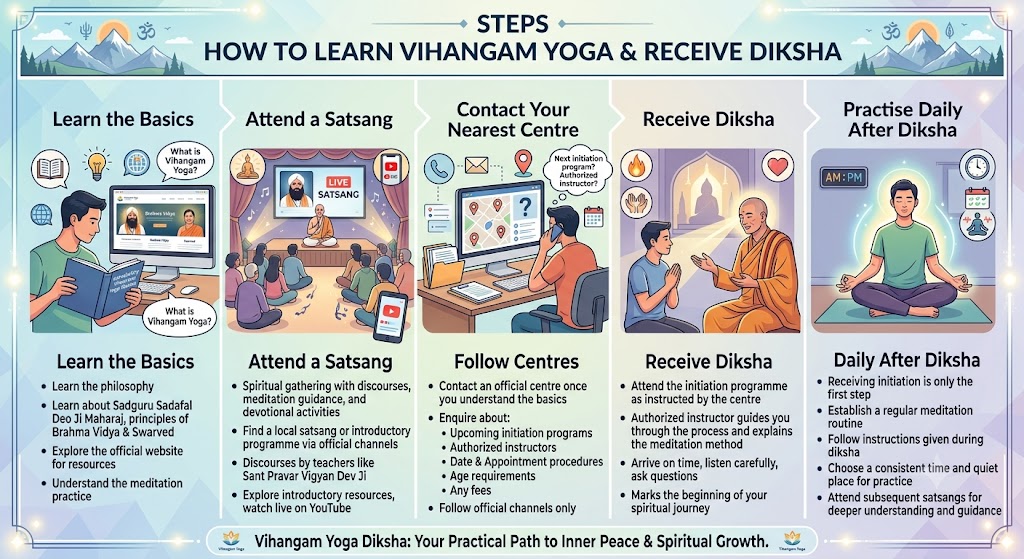
Learning Vihangam Yoga involves understanding the philosophy, connecting with the organisation, and receiving proper instruction. The following steps provide a practical starting point for anyone interested in Vihangam Yoga diksha.
Step 1 – Learn the Basics
Start by learning what is Vihangam Yoga and how its meditation practice differs from general yoga exercises. While physical yoga often includes postures and breathing exercises, Vihangam Yoga places particular emphasis on meditation and inner spiritual awareness.
Read introductory material published by the organisation and learn about Sadguru Sadafal Deo Ji Maharaj, the principles of Brahma Vidya and Swarved. The scripture is central to the tradition and provides a philosophical foundation for its spiritual teachings.
You can explore the official Vihangam Yoga website for introductory information, organisational details and resources. Learning the basics will help you understand what initiation involves and prepare relevant questions for your instructor.
Step 2 – Attend a Satsang
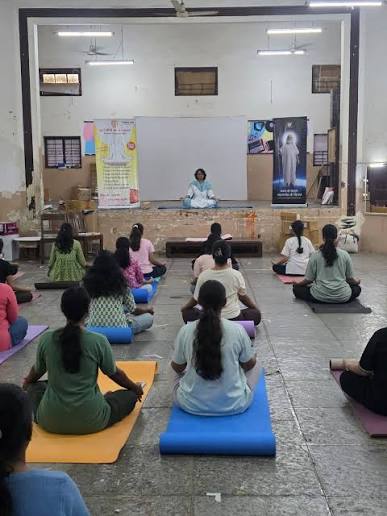
A satsang is a spiritual gathering that may include discourses, devotional activities, meditation guidance, and discussions about spiritual teachings. Attending one is a useful way to become familiar with the tradition before seeking initiation.
Look for a local satsang or an introductory programme announced through official organisational channels. You may also explore a New to Vihangam Yoga guide by visiting the organisation’s website and reviewing its introductory resources, or watch a live satsang on YouTube to learn more about the teachings.
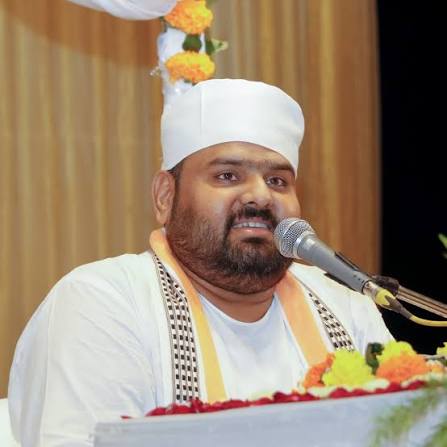
If a suitable programme is available, you may encounter discourses by spiritual teachers such as Sant Pravar Vigyan Dev Ji. Check the event announcement for the speaker, date, location, and whether registration is necessary.
Remember that attending a satsang and receiving diksha are not necessarily the same thing. Ask the organisers whether initiation will be offered at the event or whether a separate appointment is required.
Step 3 – Contact Your Nearest Centre
Once you understand the basics, contact an official centre and explain that you wish to receive diksha. The organisation can guide you towards the appropriate instructor, programme, or location.
Visit the official Vihangam Yoga website and use its contact information to enquire about:
- Upcoming initiation programmes.
- The name of an authorised instructor.
- Available dates and appointment procedures.
- Age requirements and any documents needed.
- Whether initiation is available online or only in person.
- Whether any programme-related expenses apply.
Avoid paying an unknown individual who claims to offer initiation without verifying their affiliation. An official contact channel is the safest way to confirm the arrangements.
Step 4 – Receive Diksha
After your appointment or registration is confirmed, attend the initiation programme according to the instructions provided by the centre.
The instructor will explain the relevant aspects of the meditation method and guide you through the process. The precise arrangements may differ by location and programme, so follow the instructions given by the authorised representative rather than relying on unofficial descriptions.
Arrive on time, listen carefully, and ask questions if you do not understand an instruction. You do not need to assume that you already know how to meditate before attending.
Diksha marks the beginning of your learning journey. The aim is to understand the method correctly and practise it consistently afterward.
Step 5 – Practise Daily After Diksha
Receiving initiation is only the first step. Regular practice helps you become familiar with the meditation method and develop a sustainable routine.
Follow the instructions given during diksha, including the recommended duration and method of meditation. Choose a quiet place where you can sit comfortably without unnecessary distractions.
Try to practise at a consistent time each day. Avoid changing the technique based on random online advice, especially when those instructions differ from what your authorised instructor taught you.
You can also attend subsequent satsangs and introductory or follow-up sessions to deepen your understanding. If you experience difficulties with posture, concentration, or scheduling, ask your instructor for practical guidance.
Where to Get Diksha in India
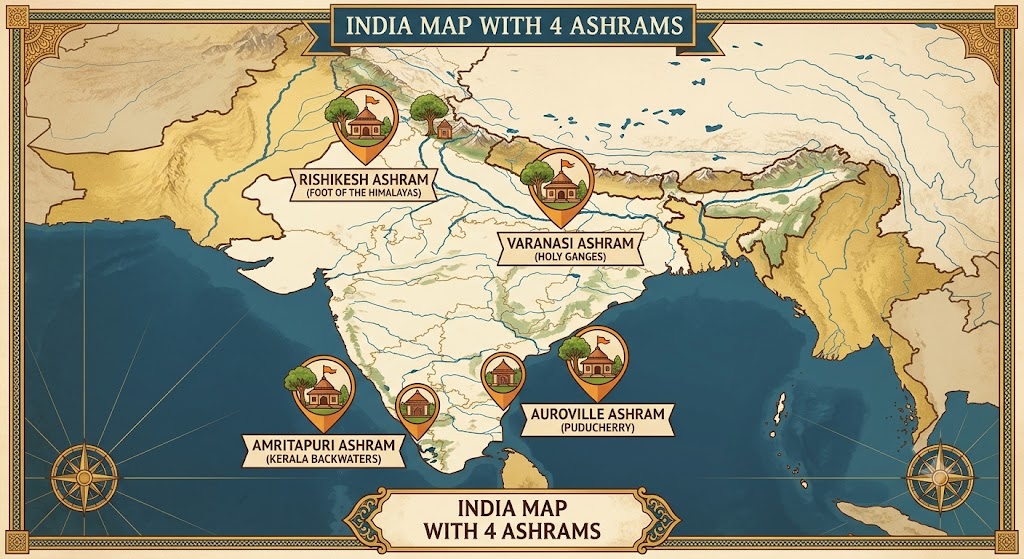
Vihangam Yoga has established ashrams and centres in different parts of India. The following locations are useful starting points for finding official organisational information. Contact the centre before travelling, as the availability of diksha and the relevant schedule must be confirmed.
| Centre or ashram | Location and contact guidance |
|---|---|
| Swarved Mahamandir | Umraha, Varanasi, Uttar Pradesh. A major meditation centre associated with the teachings of Vihangam Yoga. |
| Sadafal Deo Ashram, Jhusi | Jhusi, Prayagraj, Uttar Pradesh. An important centre and the international headquarters of Sadguru Sadafaldeo Vihangam Yoga Sansthan. |
| Dandakvan Ashram | Vansda area, Gujarat. Contact the ashram to enquire about satsangs and meditation programmes. |
Can I Take Vihangam Yoga Diksha Online or Abroad?
Vihangam Yoga has an international presence, and its official channels provide information for people living outside India. However, access to online discourses or meditation classes does not automatically mean that formal diksha can be completed online.
If you live abroad, begin by contacting the organisation’s regional representatives. People in the United States and Canada can use the contact Vihangam Yoga (USA) page to ask about local instructors, upcoming programmes, and initiation arrangements.
For people in other countries, the international information page is another useful starting point.
If online initiation is not available, the organisation may be able to suggest an authorised instructor or an appropriate in-person programme. Always confirm the current procedure through an official channel.
Rules After Diksha
The exact instructions you receive during initiation should take priority over general advice. Nevertheless, several practical habits can help you approach the practice responsibly.
1. Practise consistently. Make meditation a regular part of your routine rather than relying only on occasional sessions.
2. Follow the method taught by your instructor. Do not substitute unrelated techniques or change important instructions without seeking clarification.
3. Maintain a disciplined lifestyle. A calm environment, adequate rest and thoughtful daily habits can make it easier to maintain a regular meditation routine.
4. Attend satsangs when possible. Spiritual gatherings can help you understand the teachings and learn from experienced practitioners.
5. Ask questions when uncertain. If you forget an instruction or are unsure about your practice, contact your authorised instructor instead of relying on unverified information.
6. Respect others and remain open to learning. Spiritual practice should encourage self-reflection, patience and responsible conduct.
These are general recommendations, not a definitive list of mandatory vows. If you are searching for Vihangam Yoga diksha rules, ask the instructor who conducts your initiation for the official guidance applicable to your stage of practice.
Is Vihangam Yoga Diksha Free?
Many people search for Vihangam Yoga diksha fees before registering. The organisation’s published information describes its meditation teaching as being offered without fees.
There is an important distinction between the cost of learning meditation and other possible expenses. Travel, accommodation, meals, or optional donations associated with visiting an ashram or attending a large event may be separate from the initiation.
Do not assume that a donation requested by an individual is an official initiation fee. Verify any payment request with the organisation before proceeding.
FAQs:
Q. What is Vihangam Yoga diksha?
A. Vihangam Yoga diksha is the formal introduction to the meditation practice and spiritual teachings of the Vihangam Yoga tradition. It provides guidance from an authorised instructor so that a seeker can begin practising correctly.
Q. How can I take Vihangam Yoga diksha?
A. Start by reading the introductory material, attending a satsang if possible, and contacting an official Vihangam Yoga centre. Ask about available dates, eligibility, registration, and the procedure for receiving initiation.
Q. Vihangam Yoga diksha kaise le? (विहंगम योग दीक्षा कैसे लें?)
A. विहंगम योग दीक्षा लेने के लिए सबसे पहले विहंगम योग की मूल शिक्षाओं को समझें। इसके बाद किसी सत्संग में शामिल हों और आधिकारिक वेबसाइट या नजदीकी आश्रम से संपर्क करें। अधिकृत प्रशिक्षक से दीक्षा की प्रक्रिया, समय, पात्रता और आवश्यक जानकारी की पुष्टि करें।
Q. Is Vihangam Yoga diksha free?
A. The organisation describes its meditation teaching as free. However, confirm whether the particular programme has any registration requirements or separate expenses for accommodation, meals or travel.
Q. Can I take diksha online?
A. Online discourses and learning resources may be available, but formal online initiation should not be assumed. Contact an official centre to confirm whether remote diksha is currently offered.
Q. Where is Diksha given in India?
A. You can begin your enquiry at Swarved Mahamandir in Varanasi, Sadafal Deo Ashram in Jhusi, or Dandakvan Ashram in Gujarat. Contact the relevant centre before visiting to confirm the current initiation schedule.
Q. What are the rules after diksha?
A. Practise regularly, follow the meditation instructions you receive, maintain a disciplined routine, and seek guidance whenever you are uncertain. Ask your instructor for any specific rules or commitments associated with your initiation.
Q. Who gives diksha in Vihangam Yoga?
A. Diksha is provided by an authorised instructor or spiritual representative working within the Vihangam Yoga tradition. Contact the official organisation to verify the instructor’s authorisation and arrange your initiation.