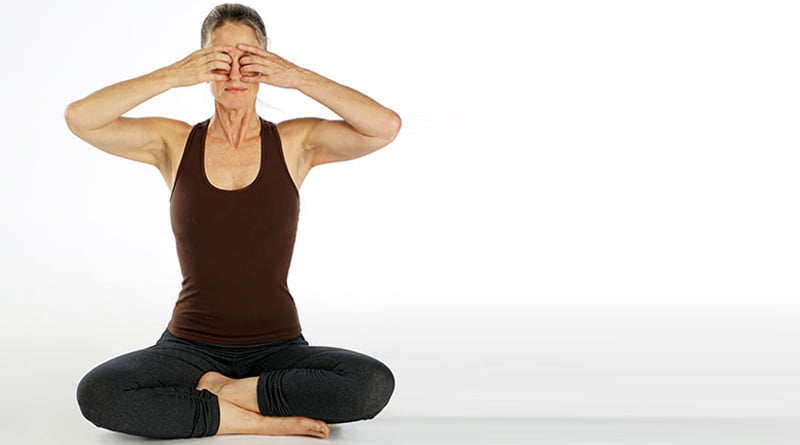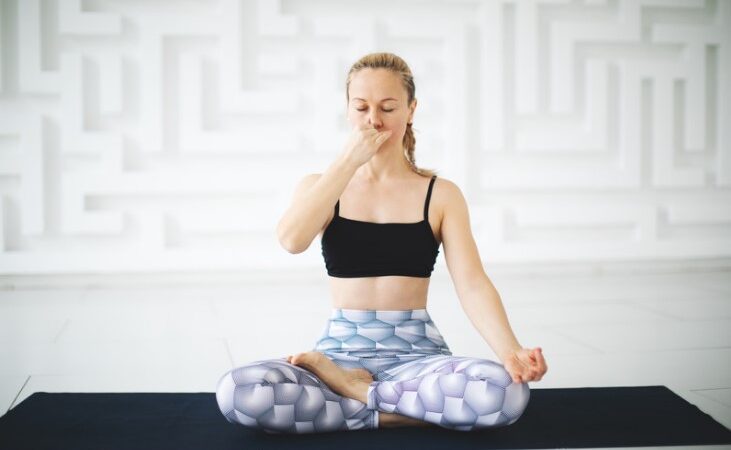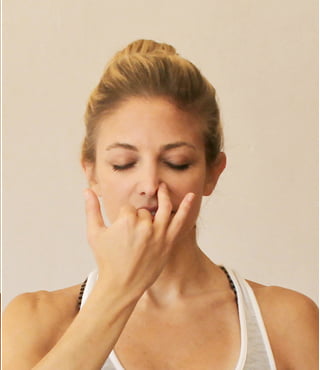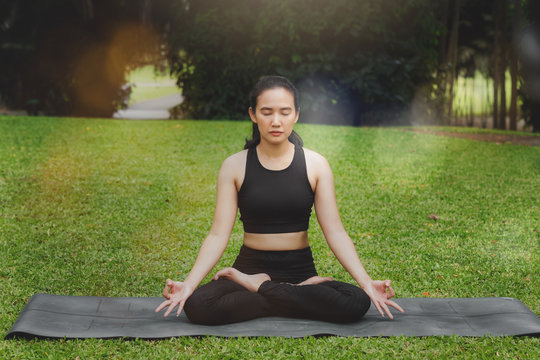

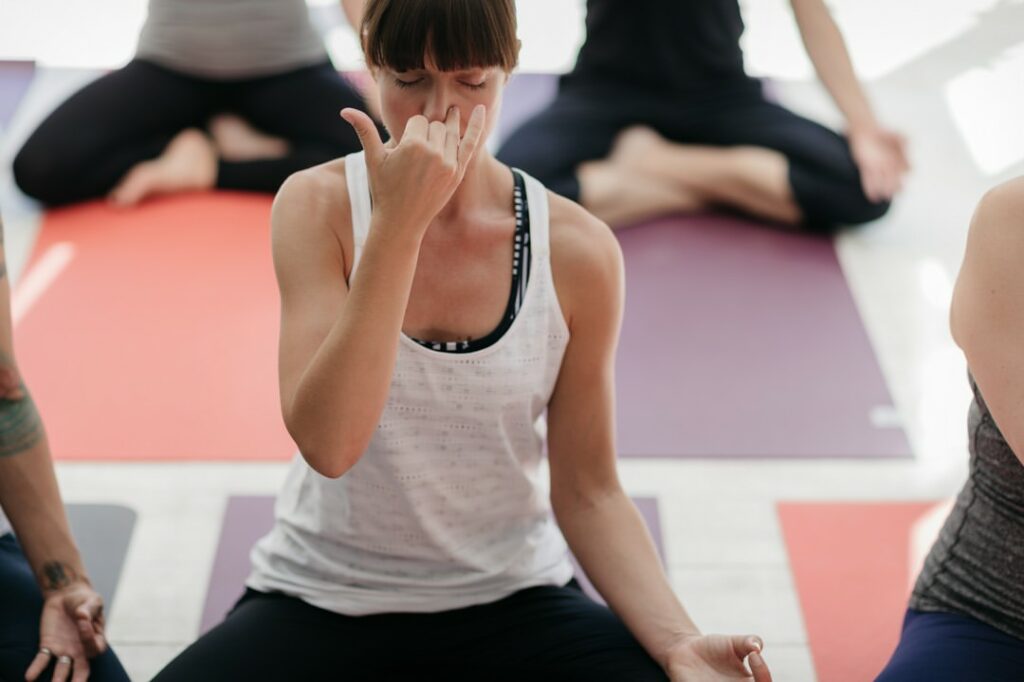
Kumbhaka Pranayama, an ancient yogic breathing technique, is a cornerstone of traditional pranayama (breath control) practices. Rooted in the Sanskrit term “Kumbhaka,” meaning “pot” or “vessel,” it symbolizes the holding or retention of breath. This practice is revered in both Hatha and Raja Yoga for its profound physiological, mental, and spiritual benefits. Unlike other forms of pranayama that focus on inhalation (Puraka) or exhalation (Rechaka), Kumbhaka breath retention emphasizes the stillness between these two phases, offering a powerful means to regulate prana (life force energy) and still the mind.
Table of Contents
Key Takeaways:
- Kumbhaka means breath retention and is an important part of pranayama practice.
- It involves holding the breath after inhalation or exhalation.
- It helps develop breath control, concentration, and mental calmness.
- Regular, gentle practice may support relaxation and mindfulness.
- It should be practiced gradually and comfortably, preferably with guidance from a qualified yoga instructor.
- Avoid prolonged breath retention if it causes dizziness, discomfort, or strain.
Types of Kumbhaka:
Kumbhaka breathing is traditionally categorized into two main types:
- Antar Kumbhaka (Internal Retention): Breath is held after inhalation.
- Bahya Kumbhaka (External Retention): Breath is held after exhalation.
Advanced yogic texts also describe a third, more subtle form:
- Kevala Kumbhaka (Spontaneous Retention): Breath retention occurs naturally and effortlessly, often during deep states of meditation or Samadhi.
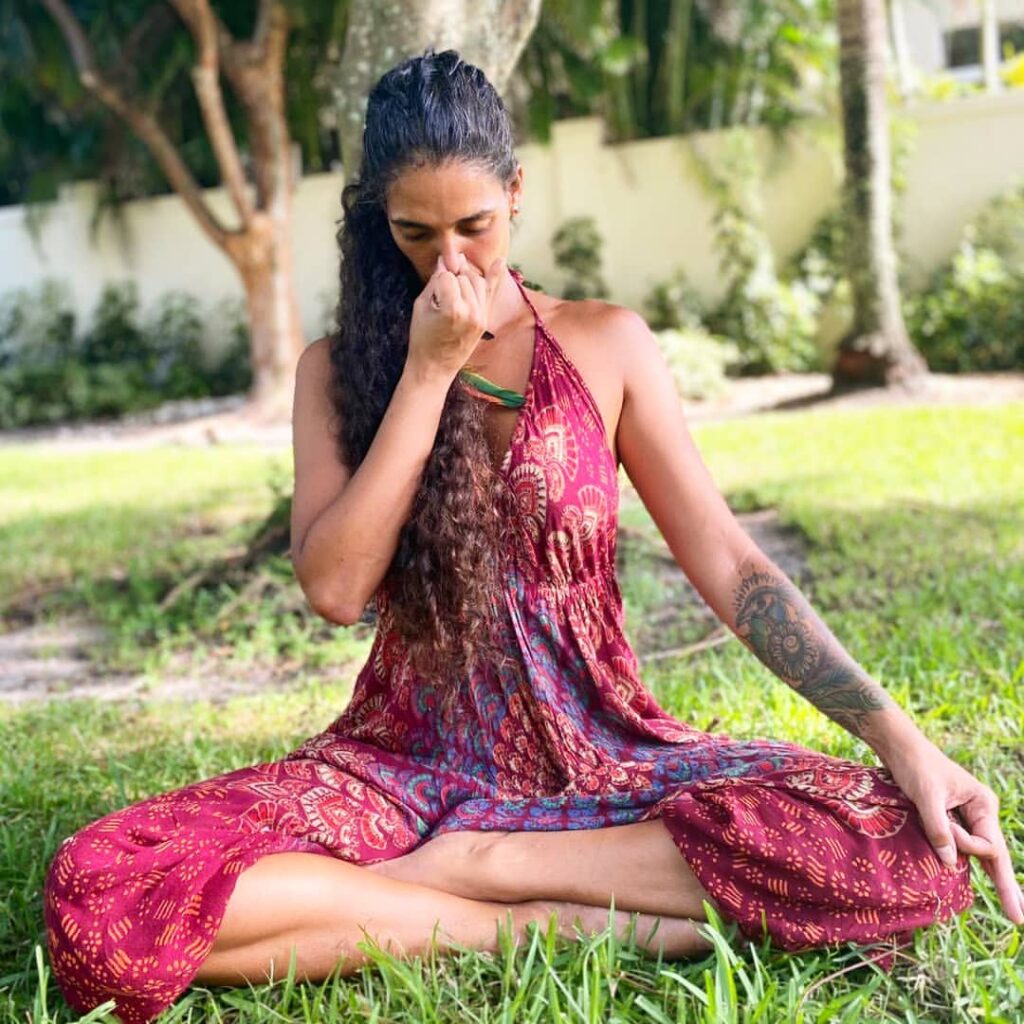
How To Do Kumbhaka Pranayama:
Kumbhaka Pranayama is the practice of consciously retaining the breath after inhalation or exhalation. Beginners should start gently and avoid forcing the breath. Traditionally, pranayama practices may use a 1:4:2 ratio, meaning the inhalation, breath retention, and exhalation are performed in a proportion of 1:4:2. For example, if you inhale for 4 counts, you may traditionally retain for 16 counts and exhale for 8 counts. This ratio should only be attempted when comfortable and under appropriate guidance.
Choose a Comfortable Position: Sit in a comfortable meditative posture, such as Padmasana, Sukhasana, or Vajrasana. Keep your spine upright, shoulders relaxed, and hands resting comfortably on your knees.
Relax the Body: Close your eyes gently and take a few slow, natural breaths. Relax your face, shoulders, abdomen, and chest. Bring your attention to the natural rhythm of your breathing.
Inhale Slowly: Breathe in slowly and smoothly through the nose. Allow the abdomen and chest to expand naturally without straining. This forms the first part of the traditional 1:4:2 breathing ratio.
Hold the Breath: After inhaling, retain the breath comfortably. In the traditional ratio, retention lasts four times the duration of inhalation. For example, a 4-count inhalation would correspond to a 16-count retention. Beginners should use a much shorter, comfortable duration rather than forcing the traditional ratio.
Exhale Slowly: Release the breath gradually and smoothly through the nose. The traditional ratio makes the exhalation twice the length of the inhalation. With a 4-count inhalation, the exhalation would therefore be 8 counts.
Repeat Gently: After completing one round, return to natural breathing for a moment. Repeat only as many rounds as feel comfortable. Beginners should prioritize relaxation, steady breathing, and correct technique rather than achieving long retention times.
Important Note
The 1:4:2 ratio is a traditional pranayama proportion, not a requirement for beginners. Breath retention should never be forced, and the ratio should be developed gradually with experienced instruction. If you experience dizziness, chest discomfort, severe breathlessness, or anxiety, stop the practice and return to normal breathing.
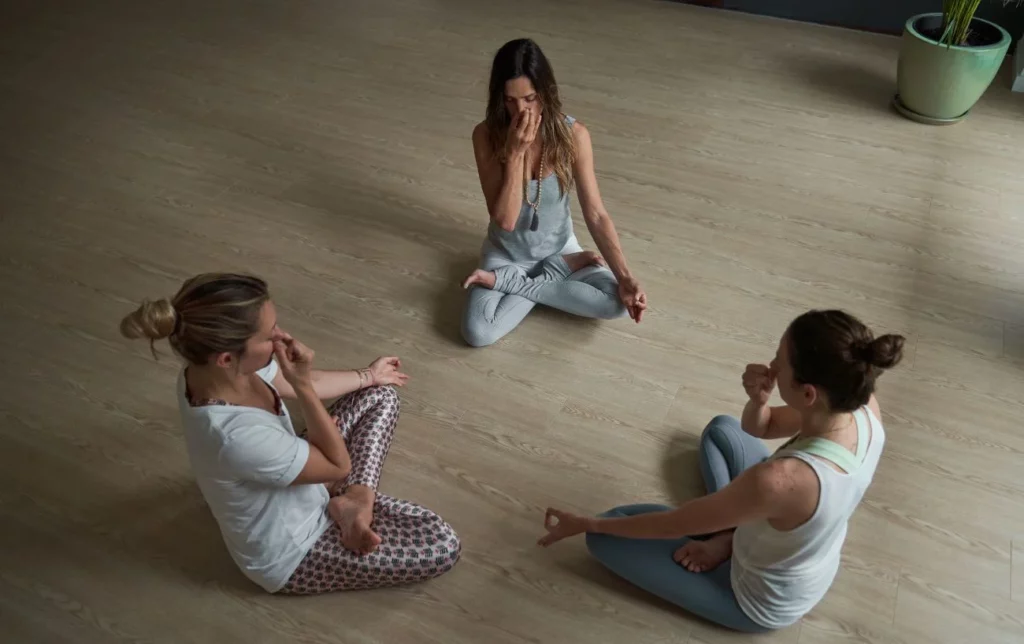
Benefits of Kumbhaka Pranayama:
The kumbhaka pranayama benefits are…
1. Increases Lung Capacity
Kumbhaka, or breath retention, involves consciously holding the breath after inhalation or exhalation. Practicing it gradually can improve control of the respiratory muscles and increase tolerance to rising carbon dioxide levels. This may encourage more efficient breathing and better use of available lung volume. Rather than simply increasing the physical size of the lungs, regular practice can improve respiratory coordination and breathing efficiency. The effects depend on the technique, duration, and individual health, so breath retention should always be practiced gradually and comfortably.
2. Balances the Autonomic Nervous System
Controlled breathing and breath retention can influence the autonomic nervous system, which regulates functions such as heart rate, breathing, and blood pressure. Slow, mindful pranayama generally encourages parasympathetic—or relaxation-related—activity and can reduce the physiological effects of stress. During a properly performed practice, attention shifts away from external stimulation toward the breath and bodily sensations. This combination of controlled respiration and focused awareness may help the body move toward a calmer state and support better regulation of stress responses.
3. Improves Cardiovascular Health
Kumbhaka may influence cardiovascular function because breathing patterns are closely connected with heart rate, blood pressure, and the autonomic nervous system. Breath control can produce temporary changes in heart rate and circulation, while regular slow-pranayama practice may support healthier autonomic regulation. However, breath retention should not be described as a treatment for hypertension or heart disease. Its potential cardiovascular benefits are better understood as supportive effects associated with controlled breathing, relaxation, and improved stress regulation rather than as a substitute for medical treatment.
4. Enhances Metabolism
Traditional yoga describes pranayama as a way of regulating prana, or vital energy, and associates balanced breathing with improved bodily functioning. From a modern physiological perspective, the relationship between Kumbhaka and metabolism is more complex. Breath retention temporarily changes oxygen and carbon-dioxide levels and activates different physiological responses, but there is not strong evidence that it directly “detoxifies” cells or significantly increases metabolism. Its more realistic benefit may come indirectly through stress reduction, improved breathing awareness, and relaxation, which can contribute to healthier overall physiological regulation.
5. Enhances Concentration
Kumbhaka requires sustained attention because the practitioner must consciously observe and regulate the breath without becoming distracted. During retention, awareness naturally becomes focused on internal sensations such as breathing pressure, heartbeat, and bodily stillness. This provides an opportunity to train one-pointed attention. With regular practice, the discipline involved in maintaining awareness of the breath may help develop greater mental steadiness and reduce habitual distraction. For this reason, pranayama is traditionally used as a preparatory practice for meditation and other concentration-based yogic disciplines.
6. Reduces Anxiety
Controlled breathing may help reduce anxiety by interrupting rapid, irregular breathing patterns that often accompany stress and anxious states. Practicing gentle pranayama encourages slower, more deliberate breathing and directs attention toward immediate bodily sensations rather than worrying thoughts. This can create a sense of control and calm. However, strong or prolonged breath retention can actually increase discomfort or anxiety in some people, particularly beginners. Therefore, Kumbhaka should be practiced gently rather than forced. People experiencing significant anxiety or panic should regard pranayama as a complementary practice, not a replacement for professional care.
7. Promotes Mental Stillness
One of the central aims of traditional pranayama is to quiet fluctuations of the mind. During Kumbhaka, the usual rhythm of inhalation and exhalation temporarily becomes still, giving the practitioner a distinct experience of physical and mental pause. Because attention is concentrated on the present moment, external distractions and repetitive thoughts may become less dominant. With consistent practice, this can cultivate a greater sense of inner quiet and mindfulness. The experience varies between individuals, and mental stillness generally develops through gradual practice rather than through forcing the breath to remain held for long periods.
8. Facilitates Meditation
Kumbhaka is traditionally regarded as a bridge between pranayama and meditation. Breath retention requires the practitioner to maintain awareness, control impulses, and remain physically still—all qualities that are valuable during meditation. As breathing becomes slower and attention becomes more internalized, the mind may become less reactive to external distractions. This can make it easier to transition into a meditative state. In classical yoga, pranayama is practiced before deeper stages of concentration and meditation because regulating the breath is believed to help prepare both the body and mind for sustained inward attention.
9. Awakens Kundalini Energy
In yogic philosophy, Kumbhaka has an important role in practices intended to awaken Kundalini, traditionally described as dormant spiritual energy at the base of the spine. Advanced yoga traditions associate controlled breath retention with directing prana through subtle energy channels, or nadis, and preparing the practitioner for deeper spiritual experiences. This is a traditional yogic belief rather than an established physiological effect, and there is no scientific evidence demonstrating that Kumbhaka literally awakens Kundalini energy. Such practices are traditionally approached gradually and, particularly at advanced levels, under the guidance of an experienced teacher.
Scientific Perspective:
Modern research on pranayama, including Kumbhaka, suggests beneficial effects on heart rate variability, brainwave activity, and hormonal balance. Controlled breath retention influences the autonomic nervous system, promoting homeostasis and enhancing mental resilience. Studies have shown that consistent pranayama practice improves attention, emotional regulation, and even alters brain structure in areas associated with self-awareness and interoception.
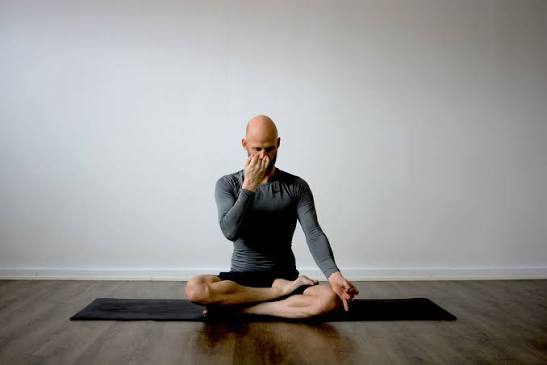
Precautions of Kumbhaka Pranayama:
1. Practice Under Proper Guidance
Beginners should learn Kumbhaka Pranayama from a qualified yoga teacher. Proper guidance ensures correct technique, posture, breathing, and retention duration while reducing the risk of discomfort or improper practice.
2. Do Not Hold the Breath Forcefully
Never force yourself to hold the breath for long periods. Retention should remain comfortable and controlled. Excessive breath-holding may cause dizziness, headache, anxiety, or breathlessness.
3. Stop if You Feel Unwell
Stop immediately if you experience dizziness, chest discomfort, nausea, severe breathlessness, or weakness. Return to normal breathing and rest. Never continue practicing through significant discomfort or unusual physical symptoms.
4. Avoid Practicing on a Full Stomach
Practice Kumbhaka with an empty or light stomach. Practicing immediately after heavy meals may cause abdominal discomfort, nausea, reflux, or difficulty breathing comfortably during breath retention.
5. Maintain a Comfortable Posture
Sit comfortably with your spine naturally upright. Keep your shoulders, face, and body relaxed. Avoid positions that compress the chest or abdomen and interfere with natural, comfortable breathing.
6. Avoid Practice During Illness
Avoid intensive Kumbhaka during fever, respiratory infections, severe congestion, or persistent coughing. Allow your body to recover first, then gradually resume practice when normal breathing and overall health have returned.
7. Seek Medical Advice for Health Conditions
People with cardiovascular, respiratory, neurological, or other significant health conditions should consult a healthcare professional before practicing breath retention. Kumbhaka should complement, never replace, prescribed medical treatment.
8. Avoid Practice in Dangerous Situations
Never practice Kumbhaka while swimming, bathing, driving, cycling in traffic, or operating machinery. Practice only in a safe, stationary environment where you can stop immediately if discomfort or dizziness occurs.
9. Do Not Compete With Others
Avoid comparing your breath-retention ability with others. Every person’s capacity differs. Trying to achieve longer retention can encourage excessive effort. Focus instead on relaxation, awareness, correct technique, and gradual improvement.
10. Progress Gradually
Begin with short, comfortable breath-retention periods and increase duration slowly. Gradual progression allows your body and breathing system to adapt safely. Consistent practice is preferable to attempting long retention periods.
11. Avoid Excessive Practice
More breath retention does not necessarily provide greater benefits. Excessive practice may cause dizziness, fatigue, anxiety, or breathing discomfort. Follow an appropriate routine and allow sufficient rest between practice sessions.
12. Practice With a Calm Mind
Kumbhaka should be practiced calmly and patiently. If retention causes fear, panic, or intense discomfort, release the breath gently and return to normal breathing. Never force yourself to continue.
Studies Have Shown:
Modern research on pranayama, including Kumbhaka, suggests beneficial effects on heart rate variability, brainwave activity, and hormonal balance. Controlled breath retention influences the autonomic nervous system, promoting homeostasis and enhancing mental resilience. Studies have shown that consistent pranayama practice improves attention, emotional regulation, and even alters brain structure in areas associated with self-awareness and interoception.
Conclusion:
Kumbhaka Pranayam, or breath retention pranayama, is a transformative yogic tool that bridges the body, mind, and spirit. Through the conscious retention of breath, practitioners tap into subtle energies, enhance physiological functioning, and cultivate a deep inner stillness. While simple in concept, it requires patience, discipline, and respect for the body’s limits. When practiced mindfully and consistently, Kumbhaka offers a gateway to heightened awareness and spiritual evolution.
FAQ:
Q. What is Kumbhaka Pranayama?
A. Pranayama kumbhaka is the practice of breath retention in yogic breathing. It involves holding the breath either after inhalation (Antar Kumbhaka) or after exhalation (Bahya Kumbhaka) to control the flow of prana (vital energy) and calm the mind.
Q. Is Kumbhaka safe for beginners?
A. Kumbhaka should be approached with caution by beginners. It’s recommended first to become comfortable with basic pranayama practices like Nadi Shodhana and deep breathing. Beginners should start with short breath holds under the guidance of a qualified yoga instructor.
Q. How long should I hold my breath?
A. Start with short durations (5–10 seconds) and gradually increase as your comfort and lung capacity improve. Never force breath retention or hold beyond your natural capacity.
Q. What are the differences between Antar and Bahya Kumbhaka?
A. Antar Kumbhaka: Breath is retained after inhalation.
Bahya Kumbhaka: Breath is retained after exhalation.
Both serve different physiological and energetic functions and are often used in combination.
Q. What is Kevala Kumbhaka?
A. Kevala Kumbhaka is an advanced state where breath retention happens spontaneously and effortlessly, often during deep meditation. It represents a high level of breath mastery and spiritual absorption.
Q. When is the best time to practice Kumbhaka?
A. The best time is early morning (Brahma Muhurta) or evening, on an empty stomach, in a quiet, ventilated space.
Q. Can Kumbhaka be harmful?
A. Yes, if done improperly. Holding the breath too long or with force can lead to dizziness, anxiety, or strain on the heart and lungs. Always listen to your body and avoid pushing past discomfort.
Q. Should Kumbhaka be practiced alone or with other pranayamas?
A. It’s typically integrated with other pranayama techniques such as Nadi Shodhana, Ujjayi, or Bhastrika. Kumbhaka enhances the effectiveness of these practices by pausing the breath flow and intensifying focus.
Q. What are the benefits of breath retention in yoga?
A. Breath retention in yoga may improve lung capacity, enhance concentration, calm the nervous system, increase oxygen efficiency, strengthen breath control, support meditation practices, and promote greater mental clarity and emotional balance.