
Yoga has always been an integral part of traditional spiritual and physical wellness systems, helping individuals maintain balance between body, mind, and energy. Among the many specialized yogic practices mentioned in traditional yogic literature and spiritual disciplines, stambhanakaraka yoga is considered a powerful practice that focuses on control, stability, and energy regulation within the body and mind.
The term stambhanakaraka yoga is often associated with practices that help stabilize bodily energies, strengthen mental focus, and promote self-discipline. When practiced correctly and consistently, this yogic method can support physical endurance, emotional control, and spiritual awareness.
Table of Contents
What Is Stambhanakaraka Yoga?
Stambhanakaraka yoga is a specialized yogic concept rooted in traditional yogic philosophy and spiritual practices. The word is derived from Sanskrit terms where:
- “Stambhana” refers to stopping, stabilizing, or controlling movement or energy.
- “Karaka” means something that causes or creates an effect.
Therefore, stambhanakaraka yoga can be understood as a yogic practice that helps stabilize or control the body’s physical, mental, and energetic processes, allowing practitioners to develop deeper concentration, discipline, and internal balance.
This practice is not limited to a single posture or exercise; instead, it generally includes a combination of:
- Controlled breathing techniques
- Focused meditation
- Stable body postures
- Mindful awareness
- Energy regulation practices
The main goal of stambhanakaraka yoga is to create a state of stillness where the practitioner gains mastery over bodily reactions, mental distractions, and emotional impulses.
In traditional yogic teachings, maintaining this state of control and stillness is considered essential for higher levels of meditation and spiritual progress.
Some important characteristics of stambhanakaraka yoga include:
- Development of physical stability and endurance
- Improved mental discipline and concentration
- Regulation of breathing and life energy (prana)
- Strengthening of self-control and awareness
- Preparation for deeper meditative practices
Because of these qualities, this yoga is often practiced by individuals who want to enhance both their physical wellness and spiritual growth.
Importance of Stambhanakaraka Yoga:
The importance of stambhanakaraka yoga lies in its ability to train both the body and the mind to remain stable and balanced even in stressful or challenging situations.
In modern life, where people constantly deal with distractions, anxiety, and physical fatigue, a practice that promotes stillness and control can be extremely beneficial.
Practicing this yoga regularly helps develop the ability to remain calm, focused, and disciplined, which is essential for achieving both personal and professional goals.
Some key reasons why stambhanakaraka yoga is important include:
Promotes Mental Stability:
Regular practice helps reduce unnecessary mental fluctuations, allowing the mind to become calmer and more focused.
Improves Emotional Control:
By learning how to regulate breathing and bodily reactions, practitioners become better at managing emotions such as anger, stress, and anxiety.
Enhances Concentration and Focus:
The practice encourages sustained attention, which improves productivity and decision-making abilities.
Strengthens Physical Endurance:
Stable postures and controlled breathing help improve muscular strength and stamina.
Supports Spiritual Development:
Many traditional yogic systems consider practices like stambhanakaraka yoga as preparation for deeper meditation and self-realization.
Encourages Discipline and Self-awareness:
The practice trains individuals to observe their thoughts and reactions without immediately responding to them.
Another important aspect of stambhanakaraka yoga is that it helps practitioners develop patience and inner strength, qualities that are essential for maintaining balance in everyday life.
How To Do Stambhanakaraka Yoga:
Learning how to practice stambhanakaraka yoga correctly is essential in order to experience its full benefits. While different traditions may have slightly different methods, the basic process usually involves creating a stable posture, regulating the breath, and maintaining deep concentration.
Below is a simple step-by-step approach that beginners can follow.
Choose a Quiet and Comfortable Space:
Before beginning stambhanakaraka yoga, it is important to select a calm environment where you will not be disturbed.
- The space should be clean and well-ventilated.
- Early morning or evening is usually considered the best time for practice.
- Use a yoga mat or soft surface for comfort.
A peaceful environment helps the mind settle more easily, which is essential for this type of practice.
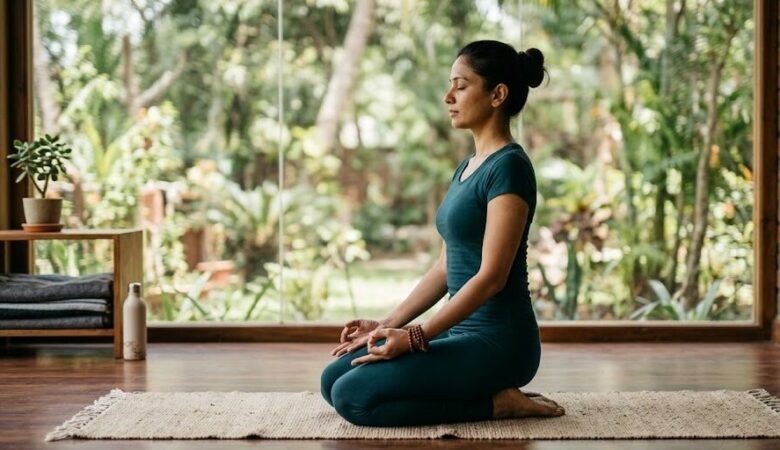
Sit in a Stable Posture:
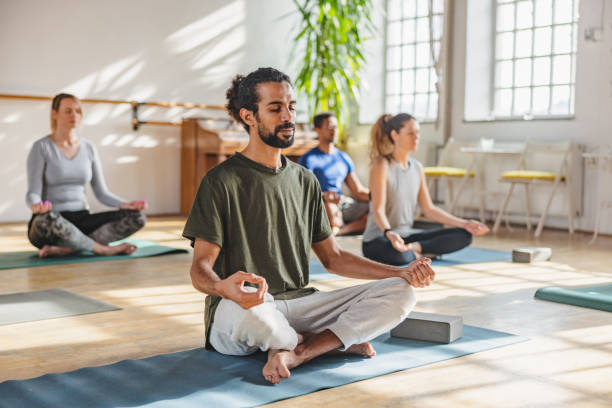
A stable posture is a key part of stambhanakaraka yoga, because the body must remain steady while the mind becomes focused.
Common sitting postures include:
While sitting:
- Keep your spine straight.
- Relax your shoulders.
- Place your hands gently on your knees.
Maintaining this stable position helps the body achieve the “stambhana” or stillness that the practice emphasizes.
Practice Controlled Breathing:
Breathing control is one of the most important aspects of stambhanakaraka yoga.
You can begin with slow and deep breathing techniques such as:
- Inhale slowly through the nose
- Hold your breath gently for a few seconds
- Exhale slowly and completely
- This breathing pattern helps:
- Calm the nervous system
- Increase oxygen flow
- Improve mental clarity
Practicing controlled breathing for several minutes allows the mind and body to enter a relaxed yet alert state.
Focus the Mind:
Once the body and breathing are stable, the next step in stambhanakaraka yoga is to concentrate the mind.
You can focus on:
- The natural rhythm of your breathing
- A mantra or sacred sound
- A specific point between the eyebrows
- Inner awareness of the body
The goal is to reduce mental distractions and maintain steady attention.
At first, the mind may wander frequently, but with regular practice, it gradually becomes calmer and more focused.
Maintain Stillness:
The final stage of stambhanakaraka yoga involves maintaining both physical and mental stillness.
During this phase:
- Avoid unnecessary body movements
- Keep breathing slow and steady
- Observe thoughts without reacting to them
Practicing stillness for even 10–20 minutes daily can lead to noticeable improvements in concentration and emotional stability.
Benefits of Stambhanakaraka Yoga:
The regular practice of stambhanakaraka yoga offers numerous benefits that support both physical health and mental well-being.
Below are some of the most important benefits.
Improves Mental Focus:
One of the major benefits of this yoga is its ability to enhance concentration.
By training the mind to remain stable and attentive, the practice helps individuals:
- Improve productivity
- Study more effectively
- Make clearer decisions
Reduce Stress and Anxiety:
Slow breathing and mindfulness help calm the nervous system.
As a result, stambhanakaraka yoga can:
- Reduce daily stress levels
- Improve emotional balance
- Promote relaxation and inner peace
Strengthen Self-Control:
Another benefit of this yoga is the development of discipline and self-control.
Through consistent practice, individuals learn how to:
- Manage impulsive reactions
- Stay calm during difficult situations
- Maintain emotional stability
Enhances Physical Stability:
Stable postures practiced during this yoga strengthen the muscles and improve posture.
Benefits include:
- Better body balance
- Stronger core muscles
- Reduced physical fatigue
Supports Meditation and Spiritual Growth:
Many traditional yoga practitioners consider this yoga as preparation for deeper meditation practices.
It helps:
- Develop inner awareness
- Improve mindfulness
- Strengthen the connection between body and mind
Improves Breathing Efficiency:
Controlled breathing techniques practiced during this yoga help increase lung capacity and improve oxygen flow throughout the body.
This leads to:
- Increased energy levels
- Better endurance
- Improved overall health
Conclusion:
In the modern world, where distractions and stress often dominate everyday life, practices that promote calmness, discipline, and self-control are more valuable than ever.
Stambhanakaraka yoga is a powerful yogic practice that focuses on stability, breath control, and mental concentration. By practicing this technique regularly, individuals can develop stronger focus, improved emotional balance, and greater physical endurance.
The beauty of this yoga lies in its simplicity—by sitting still, regulating the breath, and maintaining mindful awareness, anyone can gradually experience deeper levels of calmness and inner strength.
Whether your goal is better mental clarity, improved physical stability, or spiritual development, incorporating this yoga into your daily routine can be a meaningful step toward a healthier and more balanced life.
FAQs:
Q. What is Stambhanakaraka Yoga?
A. Stambhanakaraka yoga is a yogic practice that focuses on stabilizing the body, controlling breathing, and developing deep mental concentration.
Q. Is Stambhanakaraka Yoga suitable for beginners?
A. Yes, beginners can practice stambhanakaraka yoga by starting with simple sitting postures, slow breathing, and short meditation sessions.
Q. How long should I practice Stambhanakaraka Yoga daily?
A. Practicing stambhanakaraka yoga for 15–20 minutes daily can provide noticeable benefits for mental clarity and emotional balance.
Q. What is the main goal of Stambhanakaraka Yoga?
A. The main goal of stambhanakaraka yoga is to develop stability in the body and mind, allowing practitioners to achieve greater focus, discipline, and inner peace.
Q. Can Stambhanakaraka Yoga help reduce stress?
A. Yes, the breathing and mindfulness techniques used in stambhanakaraka yoga help calm the mind and reduce stress and anxiety.