
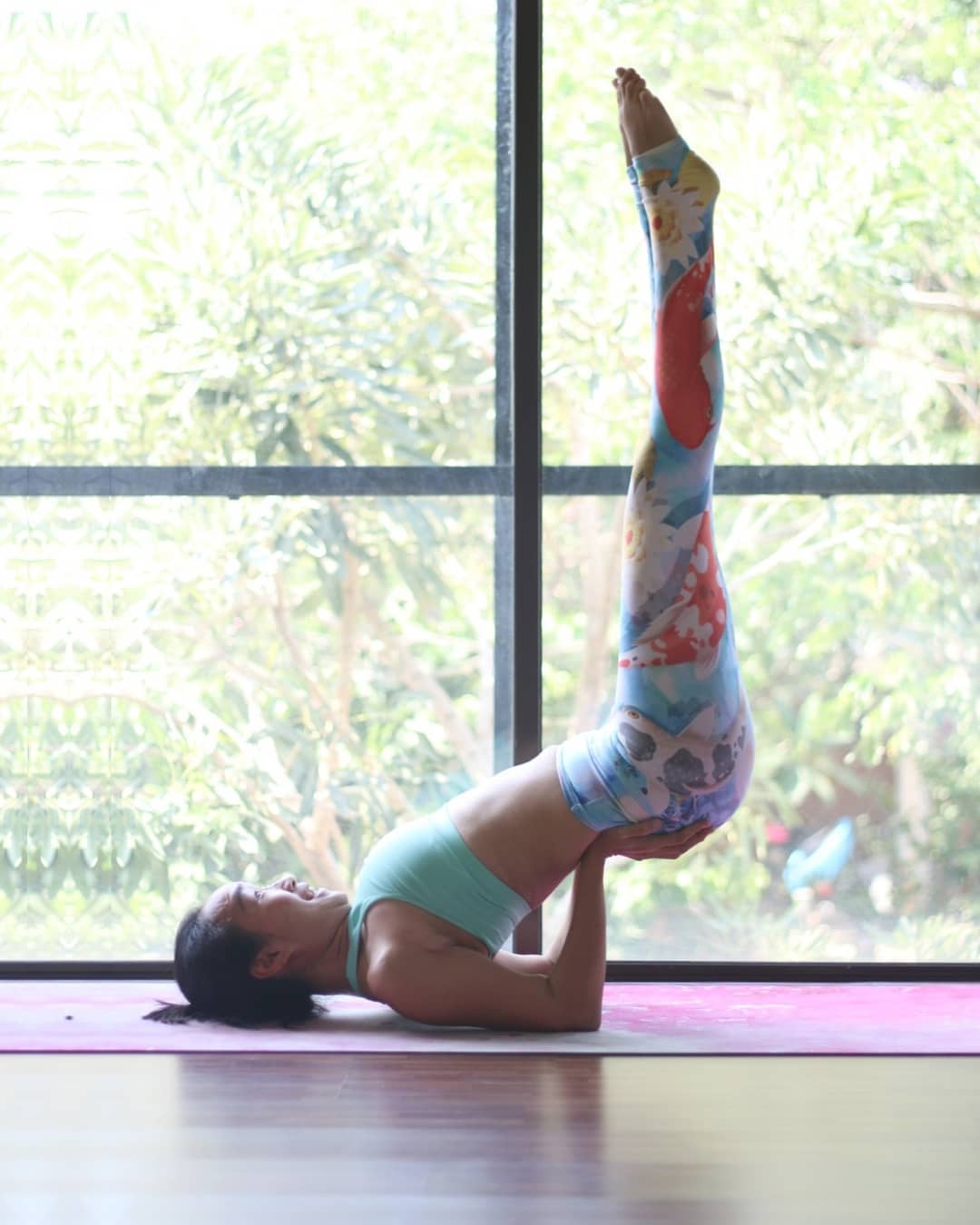
Name of the Yoga Pose: Viparita Karani (विपरीत करनी) or legs up the wall pose
Type of Yoga: Hatha Yoga
Level of Yoga: Basic
Duration: As per your capability or 30 to 60 seconds
Target Area: Front Torso, Back Legs, Back Of the Neck
Regular practice of yoga asana makes you fit both physically and mentally. So, if you want to prevent symptoms of aging and keep blood flow better in the body, then try the legs up the wall pose. Those who have stomach-related problems should also practice it.
Learn about the method of doing the legs up the wall pose in the right way, and about the benefits that you will get with the regular practice of legs up the wall pose.

Table of Contents
What Does The Legs Up The Wall Pose Mean?
Viparita Karani is a Sanskrit language word consisting of two words, in which
The first word is “Viparita (विपरीत)” which means “inverted” and
The second word is “Karani (करणी)” which means “Doing”.
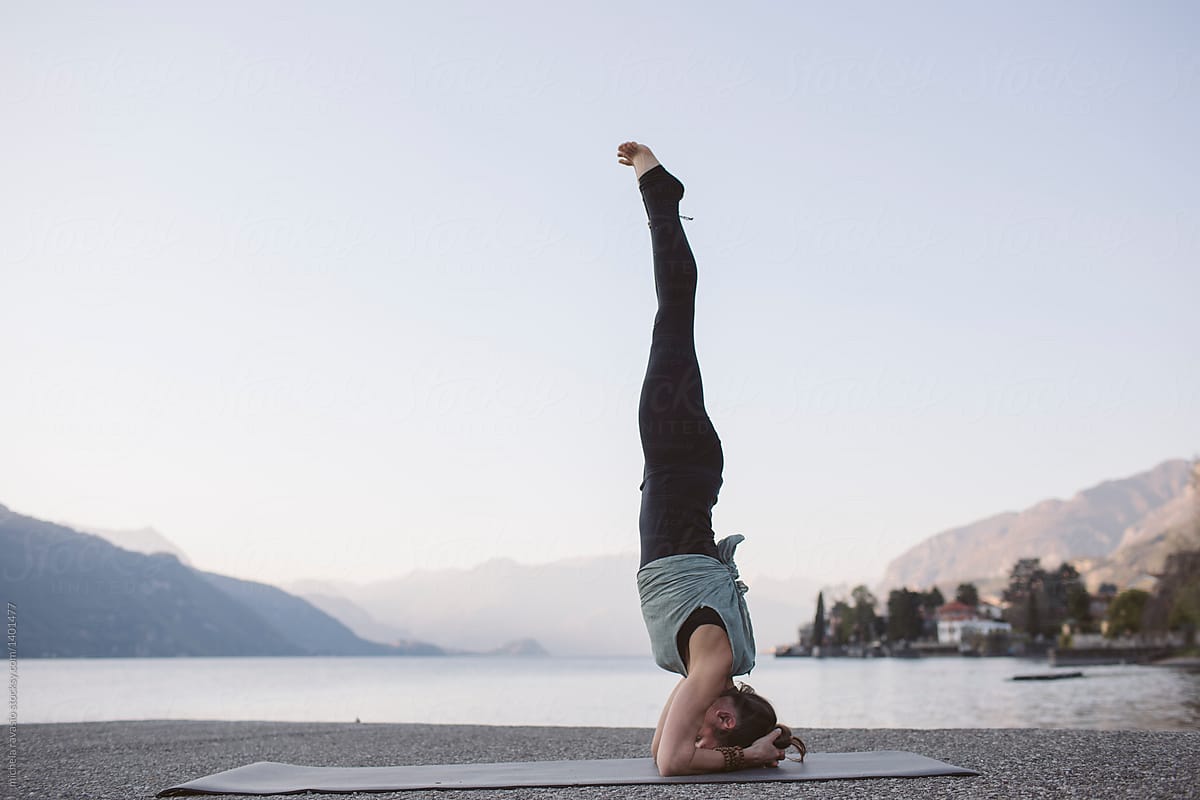
In this posture, you have to make your feet upward like Sarvangasana (सर्वांगासन). This seat is also called Legs Up the Wall pose.
Preparatory Poses for Legs Up The Wall Pose
- Balasana or Child Pose
- Bhujangasana or Cobra Pose
- Marjariasana or Cat Pose
- Padahastasana or Uttanasana or Standing Forward Bend
- Virasana or Hero Pose
- Setu Bandha Sarvangasana or Bridge Pose
- Supta Baddha Konasana or Reclining Bound Angle Pose
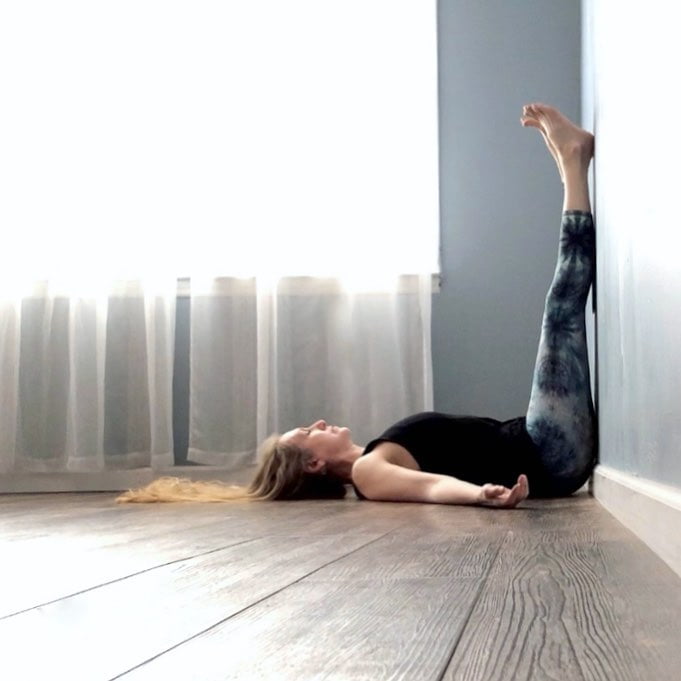
Methods of doing Legs Up The Wall Pose
- At first, lie down on the floor and let the body relax
- Gently lift both legs
- When the legs come to a 45 ° angle, support the waist with your palms and lift the hips too
- Now lift the legs upwards until they are straight upwards
- Keep in mind that the elbows should remain on the ground and your palms should give support to the waist
- The back should be at approximately a 45 ° angle from the ground
- Breathe for 30-60 seconds in this yoga pose
- To get out of the asana, do all the steps in reverse order
Follow-Up Poses Of Legs Up The Wall Pose
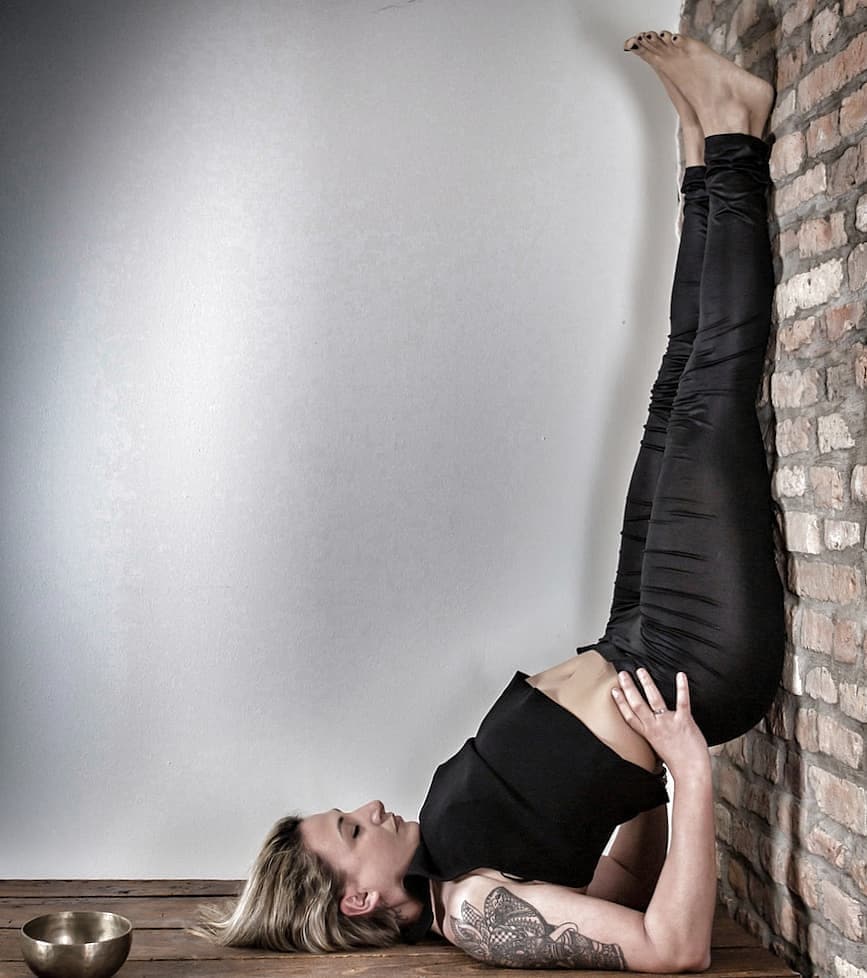
Viparita Asana Variations:
- If you are having difficulty doing the legs up the wall pose, lie down beside a wall. Keep your hips hinged on the wall, keep the waist on the floor yet closer to the wall or on a pillow or a folded blanket, and keep legs on the wall.
- If there is more pressure on the neck, then roll a towel and place it under your shoulders.
- If doing so leads to strains in the legs or hips, then fold the legs according to need.

Precautions To Legs Up The Wall Pose:
The legs up the wall pose is a simple yoga posture, but even before doing this posture, keep in mind the following things:
- A person with a hip or knee injury should avoid this posture.
- If you have serious problems like cataracts, avoid this posture.
- Patients with glaucoma, hypertension, or hernia should not do this posture.
- Do not do this posture during menstruation.
- If you have back pain problems, then put a folded blanket under your waist and do this asana
- Pregnant women should avoid doing this posture.
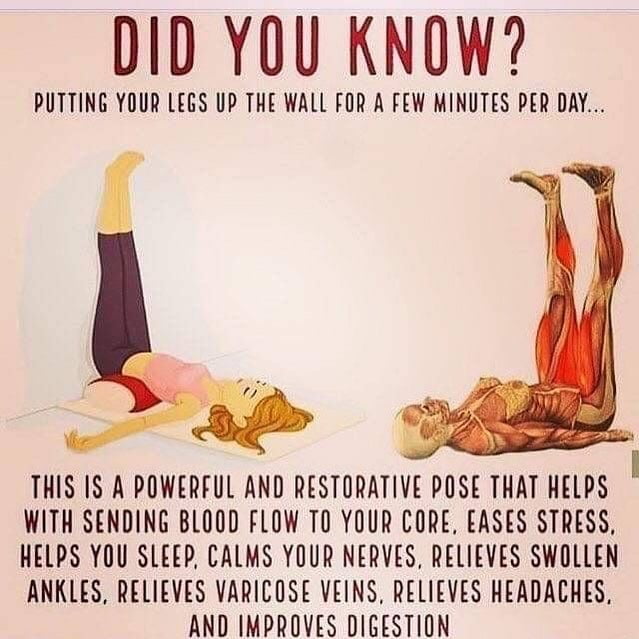
Benefits Of Viparita Karani Pose or Legs Up The Wall Pose
Legs-Up-the-Wall Pose promotes relaxation and overall well-being. By elevating the legs above the heart, it supports healthy circulation, reduces physical fatigue, calms the nervous system, and helps relieve everyday stress, making it suitable for practitioners of all levels.
1. Improves Blood Circulation:
Encourages healthy blood flow by allowing blood to return from the legs toward the heart.
2. Relieves Tired and Swollen Legs:
Helps reduce fatigue, swelling, and discomfort in the feet, ankles, and calves after prolonged standing or sitting.
3. Promotes Relaxation:
Calms the nervous system, reduces stress, and encourages deep relaxation.
4. Supports Better Sleep:
Practicing before bedtime may help improve sleep quality by relaxing the body and mind.
5. Reduces Lower Back Tension:
Gently relieves pressure on the lower back and helps ease mild back discomfort.
6. Stretches the Hamstrings:
Provides a gentle stretch to the back of the legs without placing excessive strain on the muscles.
7. Enhances Lymphatic Drainage:
Supports the movement of lymphatic fluid, which may help reduce fluid retention in the lower limbs.
8. Relieves Mental Fatigue:
Improves mental clarity and reduces feelings of exhaustion by encouraging rest and mindfulness.
9. May Ease Mild Headaches:
The calming effect of the pose may help relieve tension-related headaches for some people.
10. Improves Body Awareness:
Encourages mindful breathing, relaxation, and a greater connection between the body and mind.
11. Supports Recovery After Exercise:
Helps relax tired muscles and promotes recovery following physical activity.
12. Suitable for Most Fitness Levels:
As a gentle restorative pose, legs up the wall pose can be practiced by beginners and experienced yoga practitioners alike, with appropriate modifications if needed.
Conclusion:
Legs up the wall pose is a simple yet highly effective restorative yoga pose that supports physical relaxation and mental well-being. Regular practice can improve circulation, reduce stress, relieve tired legs, and promote better sleep. When practiced with proper alignment and consistency, it contributes to a healthier, more balanced, and mindful lifestyle.
FAQs:
Q. What is Viparita Karani asana?
A. Legs-Up-the-Wall Pose is a gentle restorative yoga pose where the legs are elevated against a wall to promote relaxation and improve circulation.
Q. What are the main benefits of legs up the wall pose?
A. It helps improve blood circulation, reduces leg fatigue and swelling, relieves stress, promotes better sleep, eases lower back tension, and encourages deep relaxation.
Q. How long should I stay in legs up the wall pose?
A. Beginners can hold the pose for 5–10 minutes, while experienced practitioners may stay for 15–20 minutes, depending on their comfort level.
Q. Can beginners practice legs up the wall pose?
A. Yes. It is one of the most beginner-friendly yoga poses and can be practiced with a folded blanket or cushion under the hips for added support.
Q. Who should avoid legs up the wall pose?
A. People with serious neck or back injuries, uncontrolled high blood pressure, glaucoma, or recent eye surgery should consult a healthcare professional or qualified yoga instructor before practicing.
Q. Is legs up the wall pose good for stress and anxiety?
A. Yes. The pose activates the body’s relaxation response, helping to calm the nervous system and reduce stress and anxiety.
Q. Can I practice legs up the wall pose every day?
A. Yes. Daily practice is generally safe for most people and can enhance relaxation, improve circulation, and support overall well-being.
Q. What is the best time to practice legs up the wall pose?
A. It can be practiced at any time of the day, but it is especially beneficial in the evening or before bedtime to relax the body and improve sleep quality.