
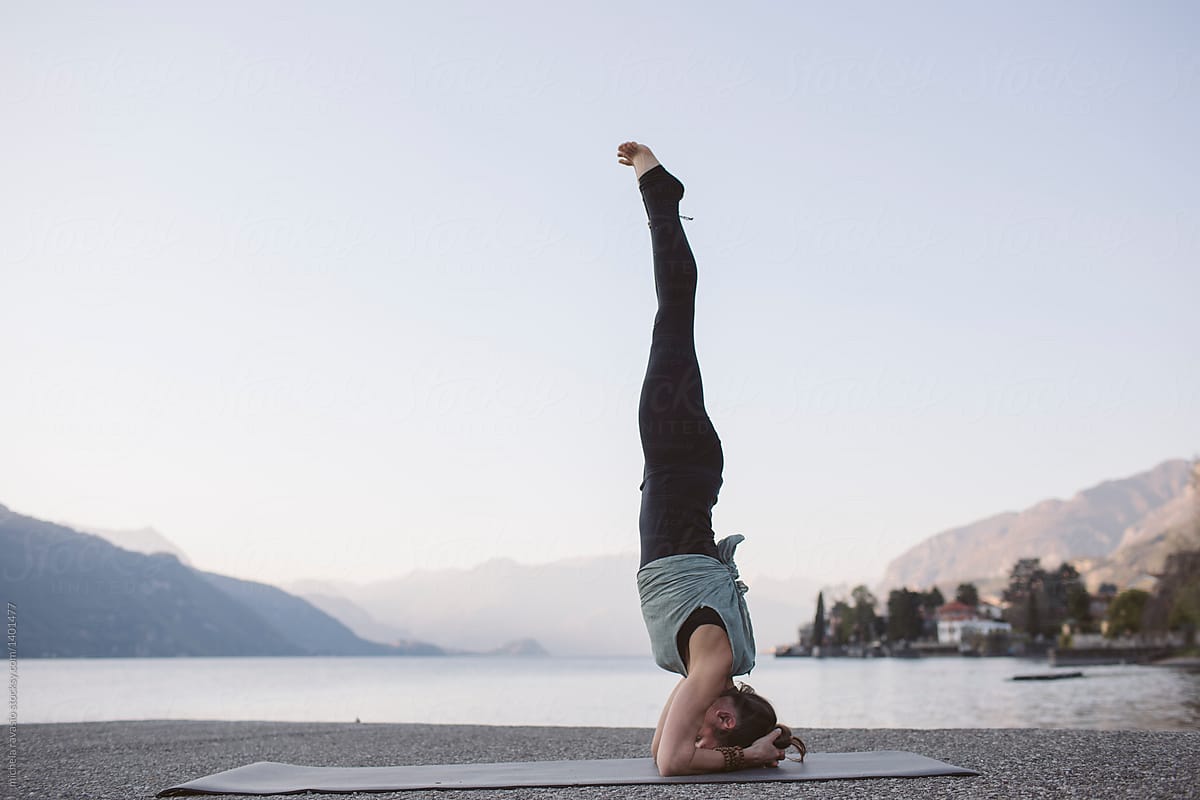
The use of new Asanas is increasing day by day, but do not practice it as long as the study of that Asana is not done well. The reason, sometimes loss and misery have been seen in the greed of profit. You will have read and discussed many different types of books which used to describe and describe different types of yoga. But it could not be decided whether the posture is useful or not. Based on my experience, I can say that the practice of shirshasana can be of great benefit. The things that are necessary to know about this asana are given below-
Yoga has many health benefits. It is beneficial for mental health as well as physical health. There are many yogas that are beneficial to your eyes. One of them is Shirshasana. Shirshasana is extremely beneficial for eye health. It also helps in increasing the light of the eyes. It also reduces eye problems.
If you want to stay young for a long time, then headstand is the perfect posture. This posture is called the King of Asanas. This asana relieves stomach-related diseases. The body becomes strong. Prevents untimely hair loss and whitening. The name of Shirshasan is placed on the top word, which means the head. Shirshasan is considered the king of all the Asanas. It is hard to start, but its benefits are many.
In this article, the benefits of Shirshasana and the ways to do it are explained. Also, in this article, information about precautions to be taken during Shirshasana is given.
Table of Contents
Do These Postures Before Shirshasana:
- Uttana Padasana or Raised Feet Pose
- Karnapidasana or Ear Pressure or Knee to Ear Pose
- Garbha Pindasana or Embryo Pose
- Matsyasana or Fish Pose
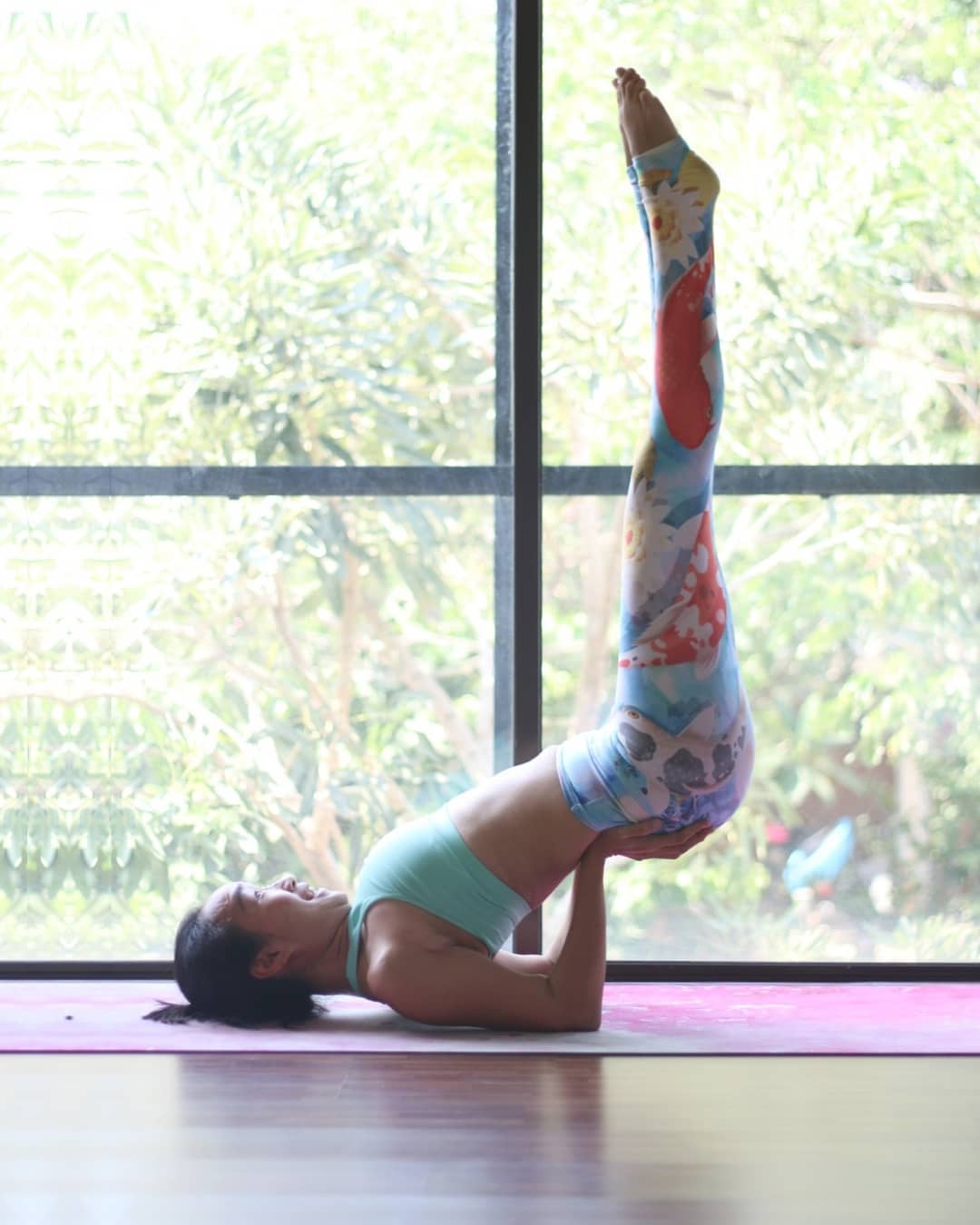
- Urdhva Padmasana or Inverted Lotus Pose
Step-by-Step Instructions to Perform Shirshasana:
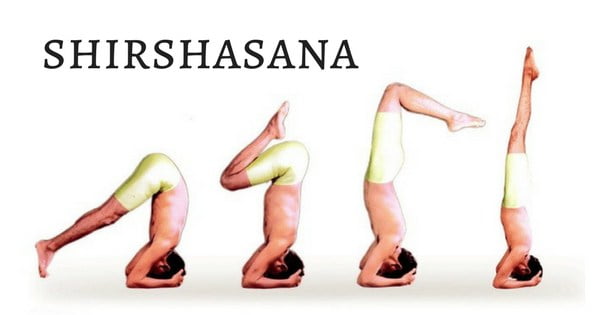
- Sit in Vajrasana.
- Stay on hand thighs.
- Taking a normal breath, place the head on the floor in front of the knees.
- Hold fingers at the back of the head and support the back of the head with stiff hands.
- The front faces of the arms are kept on the floor, and the elbows make an equilateral triangle with the head.
- Turn the claws down.
- Raise the hips and straighten the legs.
- Pay attention to body balance.
- Play feet to bring the feet closer to the body so that the buttocks get elevated above the head.
- Bring the body weight to the front of the arms and raise the feet above the floor.
- Keep the pedestrians back to the buttocks while keeping the back straight.
- In the end, fully stretch the legs and make them straight, and let the feet rest.
- Balance the load of the body with the front facing, head and neck relaxed.
- Keep this posture as long as possible, but not more than 5 minutes.
- Slowly move the knees and bring the feet down to the buttocks, and then put the toes on the floor.
- Relax by leaning forward in a yoga posture for some time and then return to vajrasana.
Do these poses after Shirshasana
- Tulasana or Scale Pose
- Balasana or Child Pose
- Yoga Mudra
- Baddha Padmasana or Bounded Lotus Pose
- Padmasana or Lotus Pose
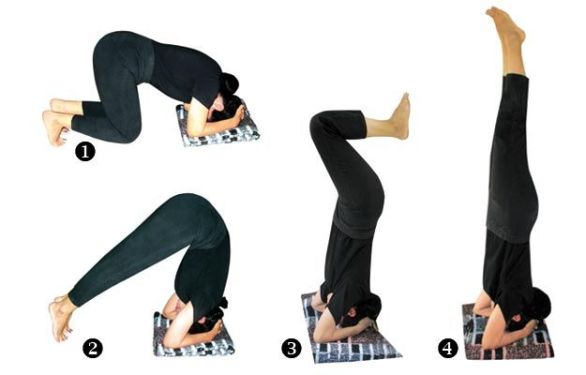
Benefits of Shirshasana:
Shirshasana, commonly known as the Headstand, is often referred to as the “King of Asanas” because of its wide-ranging physical and mental benefits. This advanced inverted yoga pose enhances strength, balance, and concentration while promoting healthy circulation. With proper guidance, regular practice can contribute to overall health and well-being.
Improves Blood Circulation:
Increases blood flow to the brain and upper body, supporting overall circulatory health.
Strengthens the Upper Body:
Builds strength in the shoulders, arms, upper back, and core muscles.
Enhances Balance and Stability:
Improves body coordination, balance, and postural control.
Boosts Mental Focus:
Requires concentration, helping sharpen focus, mindfulness, and mental clarity.
Supports Core Strength:
Engages the abdominal and back muscles, improving core stability.
May Relieve Stress:
Practicing with controlled breathing can help calm the mind and reduce stress.
Improves Body Awareness:
Develops better alignment, coordination, and confidence in movement.
Strengthens the Spine:
Encourages proper posture and strengthens the muscles supporting the spine.
Stimulates the Nervous System:
The inverted position may help increase alertness and improve energy levels.
Promotes Lymphatic Drainage:
Inversions may assist the movement of lymphatic fluid, supporting immune function.
Increases Shoulder Stability:
Helps build endurance and stability in the shoulder joints when performed correctly.
Encourages Confidence:
Mastering Shirshasana can improve self-confidence and develop patience through consistent practice.
Conclusion:
Yoga Shirshasana is a powerful yoga pose that offers numerous physical and mental benefits, including improved strength, balance, focus, and circulation. Since it is an advanced inversion, it should be practiced with proper technique and guidance. Regular, safe practice can contribute to greater confidence, stability, and overall well-being.
Precautions to take in Shirshasana:
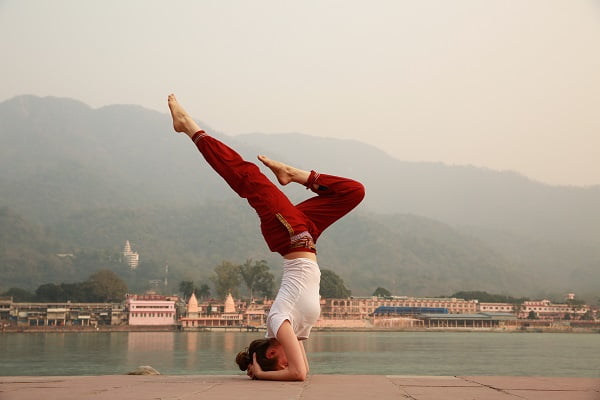
- Do not do this posture during the period
- When there is high blood pressure, you should avoid doing this asana
- If you feel dizzy, then you must keep yourself away from doing this asana
- If you are suffering from cerebral anterior dislocation, then you should not practice this asana at all.
- Patients with cervical spine problems should avoid doing this asana.
FAQs:
Q. What are the preparatory Poses of Shirshasana?
A. The preparatory poses of Shirshasana are as follows:
Uttana Padasana or Raised Feet Pose
Karnapidasana or Ear Pressure or Knee to Ear Pose
Garbha Pindasana or Embryo Pose
Matsyasana or Fish Pose
Urdhva Padmasana or Inverted Lotus Pose
Q. What are the benefits of Shirshasana?
A. This posture increases the blood supply of the head, so the brain functions and is beneficial for all the sensory organs (eye, ear, etc.) in the head. Know other benefits of Shirshasana here
Q. What are the follow-up poses of Shirshasana?
A. The Follow-up poses of Shirshasana are as follows:
Tulasana or Scale Pose
Balasana or Child Pose
Yoga Mudra
Baddha Padmasana or Bounded Lotus Pose
Padmasana or Lotus Pose
Q. What are the precautions for practicing Shirshasana?
A. The precautions for Sirshasana are as follows:
Do not do this posture during the period
When there is high blood pressure, you should avoid doing this asana…know in detail here.
Q. How to do Sirshasana?
A. To do any kind of yoga asana, you need to follow the proper method. So, to practice Shirshasana, check out this step-by-step instruction of Shirshasana.