
Different types of pranayama come with different types of benefits. In the same way, Sheetali Pranayama has a lot of benefits. To get the fullest Sheetali Pranayama Benefits you will have to practice this pranayama regularly. Regularity is the key to achieving maximum Sheetali Pranayama benefits.
Table of Contents
What Is Sheetali Pranayama?
The word “Sheetali” means “cool”, which is the process that can calm our body and give a sense of coolness. The word Sheetali is derived from the word “Sheetal”, which means soothing or cold.
The day-to-day practice of Cooling Breath or Sheetali Pranayama makes the mind calm as well as our body. The elementary purpose of the Cooling Breath or Sheetali Pranayama was to control body temperature, which has a positive effect on our endocrine glands and nervous system.
By practicing this pranayama, the person becomes attractive and young, and its daily practice enables them to control thirst and hunger. Cooling Breath or Sheetali Pranayama benefits are many, and it is somewhat similar to Sheetkari Pranayama.
NOTE:
Both the Sheetali and Sheetkari pranayama are mentioned in the ancient text “Hatha Yoga Pradipika“.
How to Do Sheetali Pranayama?
The Sheetali pranayama is very similar to the Sheetkari pranayama. However, there is a huge difference between Sheetali pranayama and Sheetkari pranayama, as well as dissimilarity between the Shitali pranayama benefits and Sheetkari pranayama benefits is noticeable.
Step-by-step instructions to do Sheetali Pranayama:
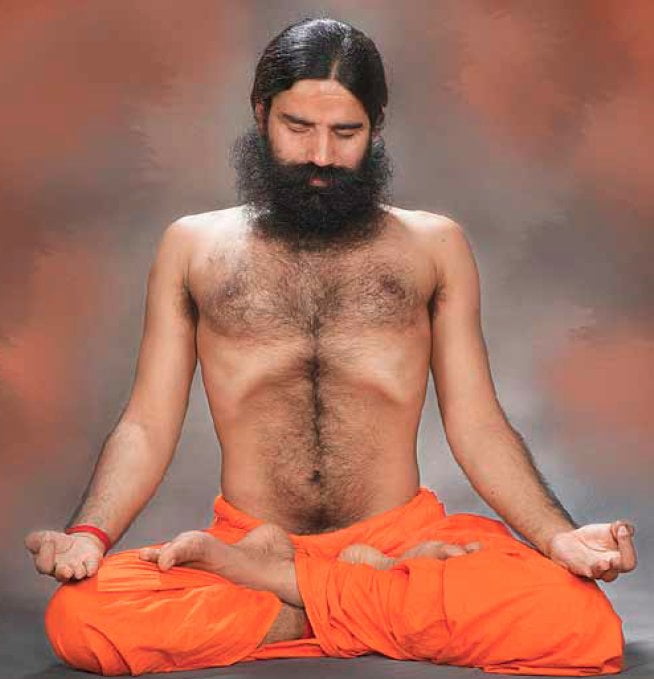
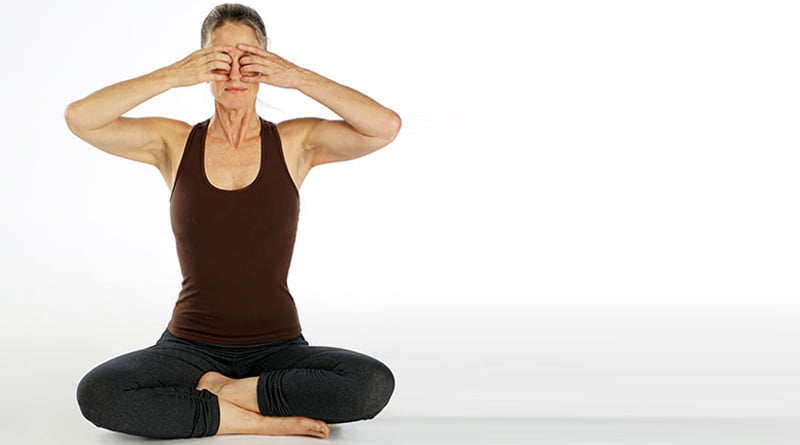
- At first, sit on the floor in the Padmasana or any other comfortable posture
- Now keep your hands on the knees in AnjimalaMudra or GyanMudra
- Close your eyes and try to relax your whole body
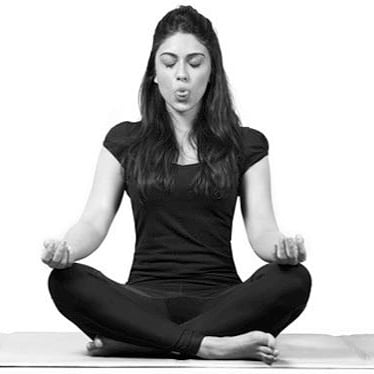
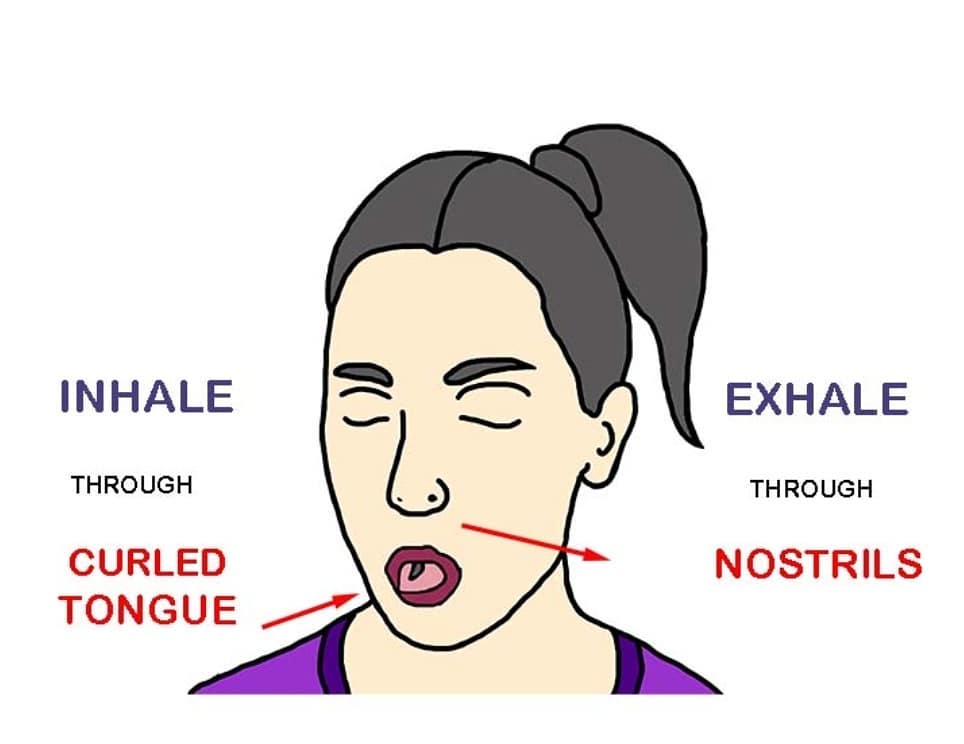
- Twist the edges of the tongue so that it becomes like a tube or a canal shape
- Inhale through this tube shapes or canal shaped tongue to fill the lungs with your full potential
- Once you are done with inhaling completely, take the tongue back into the mouth and close it
- Hold your breath as long as possible
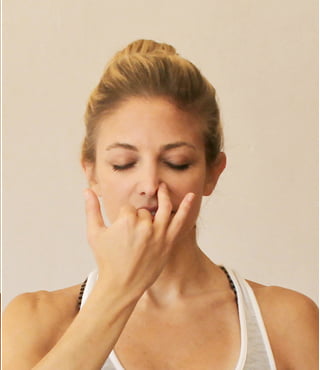
- Slowly exhale through the nostrils and make sure that while exhaling, a sound like a strong wind is produced
- This is a cycle
- In this way, do 10 to 15 times in the starting race, and then gradually make it 15 to 30 minutes per day
Best Times To Practice Sheetali Pranayama
If you have started doing this pranayama right now, then you should practice it only for 5-7 minutes, because the time of this pranayama should not be extended slowly.
Practicing this pranayama on an empty stomach in the morning and evening will be more fruitful

Sheetali Pranayama Benefits:
Sheetali Pranayama is a traditional yogic breathing technique known for its cooling and calming effects. The word “Sheetali” comes from the Sanskrit word Sheetal, which means cool or soothing. This pranayama involves inhaling through a rolled tongue and exhaling through the nose, helping practitioners feel refreshed and relaxed. Regular practice offers several physical, mental, and emotional benefits that contribute to overall well-being.
1. Helps Cool the Body Naturally:
One of the most recognized benefits of Sheetali Pranayama is its ability to reduce excess body heat. As air passes over the rolled tongue during inhalation, it creates a cooling sensation that can help regulate body temperature. This makes it particularly beneficial during hot weather or after intense physical activity. Many yoga practitioners use it to feel refreshed and energized during the summer months.
2. Reduces Stress and Anxiety:
Sheetali Pranayama promotes deep, controlled breathing, which helps activate the body’s relaxation response. Slow and mindful breathing can calm the nervous system, reduce stress levels, and ease feelings of anxiety. Practicing this technique regularly may help individuals manage daily pressures more effectively and develop a greater sense of inner peace.
3. Improves Mental Clarity and Focus:
A calm mind is often a more focused mind. By reducing mental tension and encouraging relaxation, Sheetali Pranayama can help improve concentration and mental clarity. Students, professionals, and anyone facing mentally demanding tasks may find this breathing exercise useful for enhancing focus and reducing mental fatigue.
4. Supports Emotional Balance:
Emotional well-being is closely connected to breathing patterns. Sheetali Pranayama encourages slow, rhythmic breathing, which may help regulate emotions and promote a sense of stability. Regular practice can help reduce irritability, anger, and restlessness, making it easier to maintain a positive outlook and emotional balance throughout the day.
5. Encourages Better Sleep:
Stress and an overactive mind are common causes of sleep disturbances. The calming effects of Sheetali Pranayama can help prepare the body and mind for restful sleep. Practicing it in the evening may promote relaxation, making it easier to fall asleep and enjoy a more restorative night’s rest.
6. Supports Overall Respiratory Health:
Like many pranayama techniques, Sheetali Pranayama encourages conscious breathing and increased awareness of the breath. This can help improve breathing efficiency and support healthy lung function. While it is not a treatment for respiratory conditions, regular practice may contribute to better breathing habits and respiratory wellness.
7. Enhances Mind-Body Connection:
Sheetali Pranayama encourages mindfulness by directing attention to the breath and bodily sensations. This increased awareness helps strengthen the connection between the mind and body. As a result, practitioners often experience greater relaxation, improved self-awareness, and a deeper sense of well-being.
8. Complements a Healthy Lifestyle:
When combined with a balanced diet, regular exercise, and other yoga practices, Sheetali Pranayama can contribute to a healthier lifestyle. Its cooling and calming properties make it a valuable addition to daily wellness routines, helping individuals maintain both physical comfort and mental tranquility.

Precautions Of Sheetali Pranayama:
- Do not practice Sheetali Pranayama in the winter season
- Those who have heart disease should not stop breathing in the practice of Sheetali pranayama
- Do not practice this pranayama in a polluted place
- People who are suffering from low BP or any respiratory disorders like asthma, excessive mucus, and bronchitis should not do this pranayama
- This practice reduces the functioning of low energy centers; therefore, those who are suffering from enduring constipation should not practice cold pranayama.
Conclusion:
Sheetali Pranayama is a simple yet powerful yogic breathing technique that helps cool the body, calm the mind, and reduce stress. Regular practice may support better emotional balance, improved concentration, and overall well-being. When performed correctly and consistently, it can be a valuable addition to a healthy lifestyle and yoga routine.
FAQs:
Q. What is Sheetali Pranayama?
A. Sheetali Pranayama is a cooling breathing exercise in yoga that involves inhaling through a rolled tongue and exhaling through the nose to promote relaxation and reduce body heat.
Q. What are the main benefits of Sheetali Pranayama?
A. It may help reduce stress, calm the nervous system, cool the body, improve mental clarity, and support emotional well-being.
Q. How long should I practice Sheetali Pranayama?
A. Beginners can start with 5–10 rounds and gradually increase the duration based on comfort and guidance from a qualified yoga instructor.
Q. Can everyone practice Sheetali Pranayama?
A. Most healthy individuals can practice it, but people with respiratory conditions, low blood pressure, or chronic health issues should consult a healthcare professional first.
Q. When is the best time to do Sheetali Pranayama?
A. Early morning or evening on an empty stomach is generally considered the best time for practice.
Q. Can Sheetali Pranayama help with anxiety?
A. Yes, its calming effect on the nervous system may help reduce feelings of stress and anxiety when practiced regularly.
Q. Is Sheetali Pranayama good during summer?
A. Yes, it is particularly beneficial during hot weather because it helps create a cooling sensation and may assist in regulating body temperature.
Q. Are there any side effects of Sheetali Pranayama?
A. When practiced correctly, it is generally safe. However, excessive practice or practicing in very cold weather may cause discomfort in some individuals.