
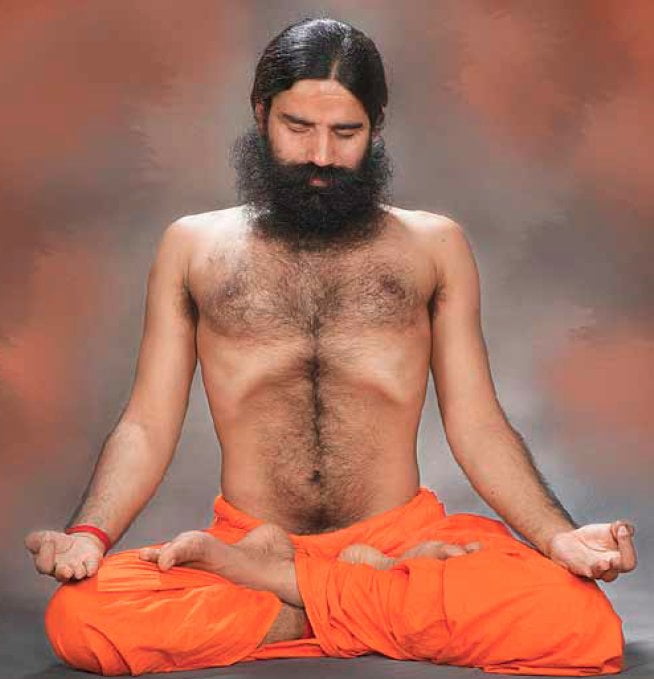
Kapalbhati Pranayama is an amazing breathing exercise which is invented by Indian yogis thousands of years ago for complete body fitness and health. It has very positive effects on diseases that are impossible to be cured by medicines, like cancer, diabetes, and asthma. According to Baba Ramdev, Kapalbhati is Sanjeevani on earth.
Numerous patients have gained a healthy and happy life by adopting this pranayama in their daily life. Baba Ramdev is the one who brought this yoga to light. In this article, I am going to give an account of knowledge about Baba Ramdev Kapalbhati Pranayama. Check the details out below…
Table of Contents
What Is Baba Ramdev Kapalbhati Pranayama?
The Sanskrit word Kapalbhati combines kapala, meaning skull or forehead, and bhati, meaning shining or radiance. In traditional yoga, it is described as a cleansing practice, although it is widely taught as a breathing exercise.
Its defining feature is the difference between exhalation and inhalation:
- Exhalation: Short, active, and produced by contracting the abdominal muscles.
- Inhalation: Passive and allowed to occur naturally as the abdomen relaxes.
Unlike normal relaxed breathing, Kapalbhati uses repeated abdominal contractions. It should not involve excessive straining, forceful chest movements, or prolonged breath-holding.
Best Time to Practise Kapalbhati Pranayama :
Morning on an empty stomach is a commonly recommended time because the abdomen is less likely to feel full.
If you prefer the evening, practise only when your stomach is comfortably empty, and you have recovered from your last meal. Avoid Kapalbhati immediately after eating, and do not perform it just before bed if it leaves you feeling overly stimulated.
Always prioritise comfort and medical suitability over a fixed time of day.
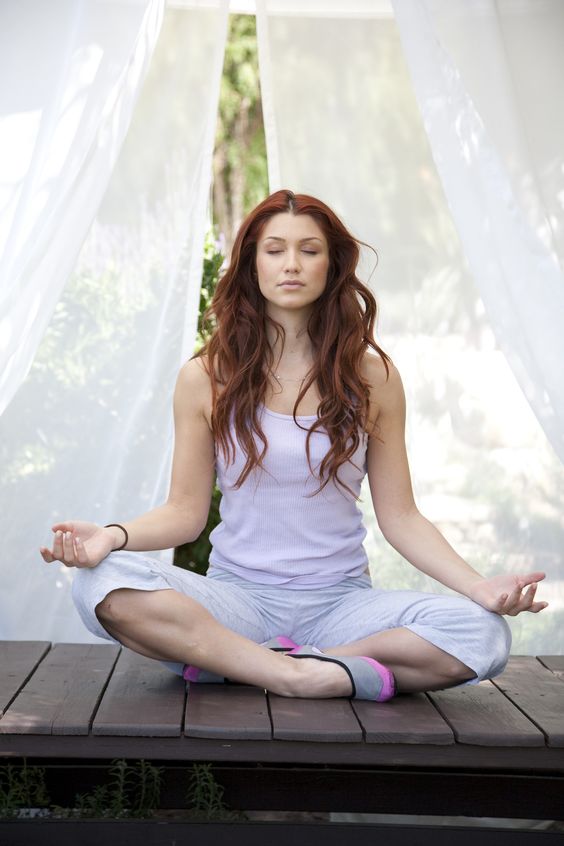
Steps To Do Baba Ramdev Kapalbhati Pranayama:
Follow these steps to understand the basic technique.
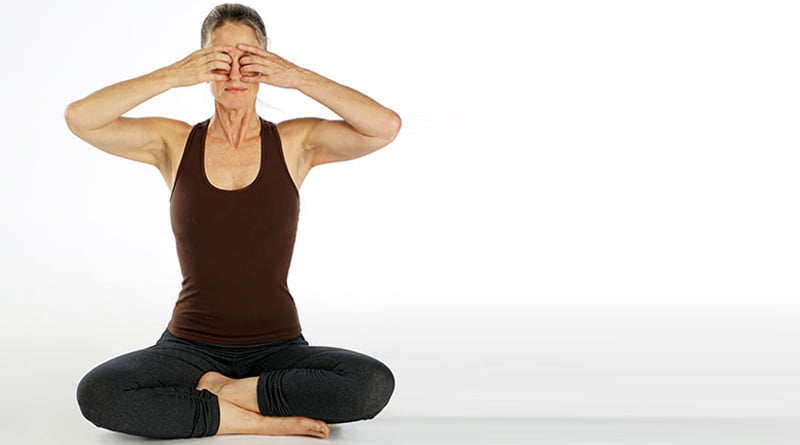
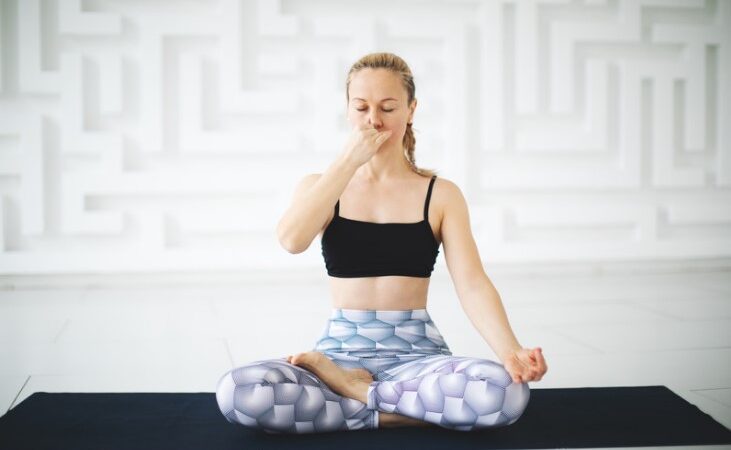
- Choose a comfortable position. Sit cross-legged on a yoga mat or on a firm chair, keeping your spine upright.
- Relax your shoulders. Rest your hands on your knees and keep your face and jaw relaxed.
- Begin with a comfortable breath. Take a gentle inhalation through your nose without filling your lungs excessively.
- Exhale actively. Contract your abdominal muscles inward to push air out through your nostrils.
- Allow inhalation to happen naturally. Relax the abdomen and let the next inhalation occur without deliberately pulling air in.
- Continue rhythmically. Repeat the abdominal pumping action at a controlled pace, without tightening your neck or shoulders.
- Finish the round gently. Stop the pumping, return to normal breathing, and rest before beginning another round.
Important: Kapalbhati should not feel like a competition to see how fast or how long you can breathe. Correct technique, comfort and consistency matter more than speed.
Ramdev method: strokes per minute and duration
A Government of India yoga guidance document lists approximately 40–60 strokes per minute for Kapalabhati. A historical account of Ramdev’s yoga teaching describes a practice duration of approximately 5–10 minutes for healthy practitioners. These are reference points, not mandatory targets for beginners.
A safer approach is to build up gradually:
- Beginners: Start with 20 gentle strokes per round.
- Intermediate practitioners: Gradually increase repetitions if comfortable.
- Experienced practitioners: Consider longer sessions only if appropriate for their health and technique.
The four-week plan below is a conservative example for healthy beginners, not a medically validated or officially prescribed Baba Ramdev programme.
Precautions of Baba Ramdev Kapalbhati Pranayama:
- Kapalbhati should be practiced in the morning.
- Always practice Kapalbhati Pranayama on an empty stomach.
- If you are a patient of heart disease, do not do Kapalabhati Pranayama.
- If a woman is pregnant, then she should avoid doing Kapalabhati Pranayama.
- Women should not practice Kapalabhati Pranayama during their menstruation.
- Apart from this, if you have any health problems related to ulcers and gastric issues, avoid doing Kapalabhati Pranayama.
Follow-up Pranayama of Kapalbhati:
- Anuloom Viloom Pranayama
- Bhramari Pranayama
- Nadi Shodhana Pranayama
- Surya Bhedana Pranayama
- Bhastrika Pranayama
Benefits Of Baba Ramdev Kapalbhati Pranayama:
Kapalbhati pranayama is one of the most popular breathing technique which gives you complete fitness. According to Swami Ramdev, Kapalbhati is effective for losing stomach fat, reducing stress, improving kidney health, and so many. So Let’s see which ones…
Reduces Stress:
One of the important health benefits of Baba Ramdev Kapalbhati is that it helps to reduce stress, tension, and anxiety. Practicing Kapalbhati for 10 minutes helps to improve the supply of oxygen in your brain and whole body, which helps to reduce stress.
Reduce Belly Fat:
Many people practise Kapalbhati because they want to reduce abdominal fat. The exercise repeatedly contracts the abdominal muscles, which can make the area feel more active and may help develop awareness of those muscles.
However, Kapalbhati does not selectively burn belly fat. Repeated abdominal contractions do not guarantee a reduction in the fat covering the abdominal muscles.
Improves Kidney Health:
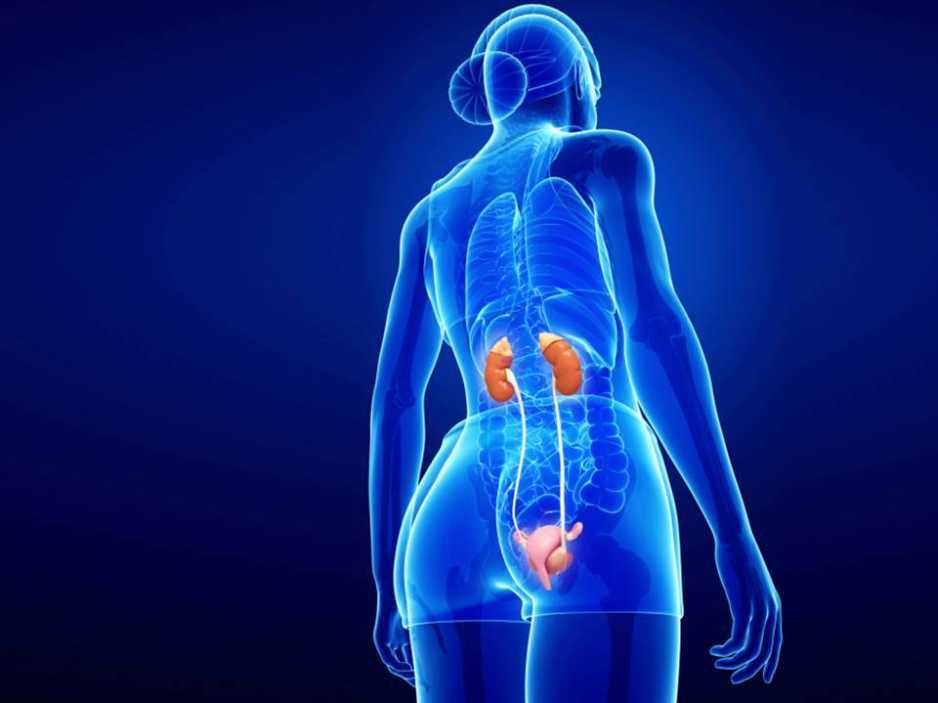
Those who want to cure or prevent kidney disorders should practice Kapalbhati Pranayama. According to Baba Ramdev, the regular practice of Kapalbhati is effective in improving the function of the kidney and also removing kidney stones.
Boosts Immune System:
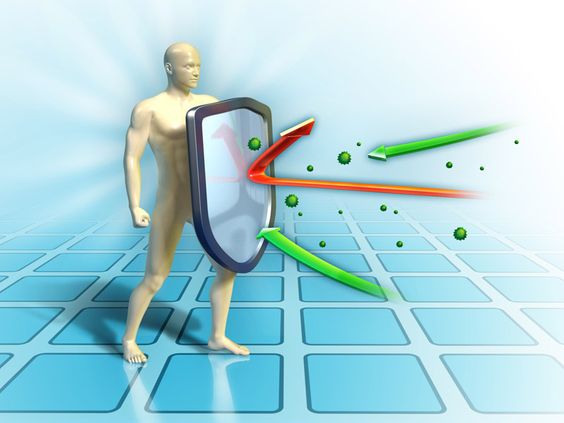
If you often suffer from cold, cough, or fever, then your immune system is not strong. So, instead of taking tablets or tonics, practicing kapalbhati can prevent this at home for free of cost.
Practice Kapalbhati pranayama regularly for 5-10 minutes. Boosting the immune system is one of the important health benefits of Kapalbhati Pranayama.
Rejuvenates Cells:

Doing Baba Ramdev Kapalbhati Pranayama for 10 minutes improves blood circulation in the body, which helps to rejuvenate cells.
Due to this, it relaxes your face muscles, rejuvenates cells, reduces wrinkles, and also slows down the process of aging.
Enhances Beauty:

Practicing Baba Ramdev Kapalbhati Pranayama produces heat in the body that helps to remove all the toxins and waste from the body.
Kapalbhati Pranayam helps to make the skin glowy and healthy. In results, this purification process enhances beauty.
Relieves Gas and Constipation:
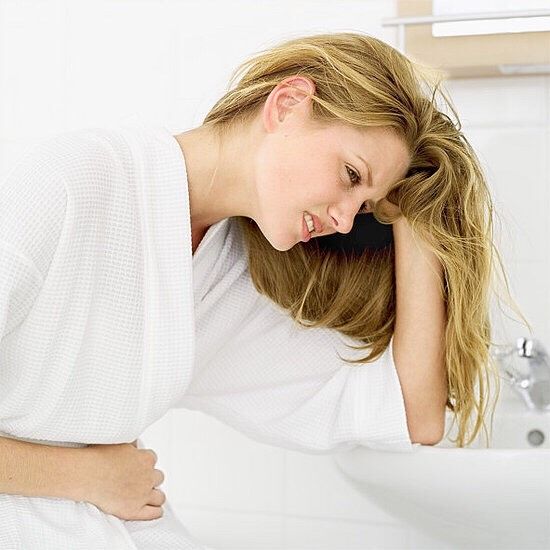
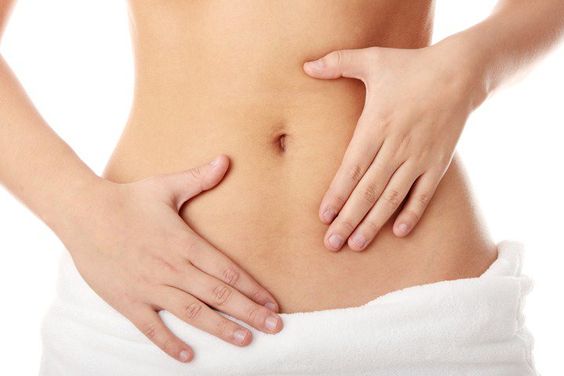
Are you suffering from gas, indigestion, or constipation? If yes, then practicing Kapalbhati pranayama is one of the best breathing exercises for you to get relief from it.
Practicing Baba Ramdev Kapalbhati Pranayam for 10 minutes strengthens the stomach muscles and improves the function of the intestine and bowel movement.
Improve Blood Flow:
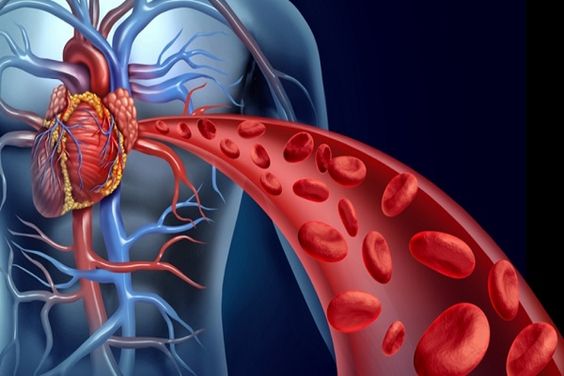
Kapalbhati helps to improve blood flow to the body. By practicing Baba Ramdev Kapalbhati Pranayam every day for 10 minutes, the blood flow starts in the right way in the body and all the organs of the body also do their work well. Kapalbhati Pranayama also helps to reduce high blood pressure.
Improve Reproductive Capacity:
Baba Ramdev Kapalbhati Pranayama makes women’s reproductive capacity better. Practicing kapalbhati regularly for 10 minutes helps women to conceive. Apart from this, it also reduces the problem of breast cancer in women.
Remove Toxic Substances From Body:
Kapalbhati Pranayama helps to reduce toxins from the body. By practicing Baba Ramdev Kapalbhati Pranayam, the toxic substances accumulated in the body come out from the body and the internal system of our body starts functioning properly.
Reduce Depression:

Kapalbhati Pranayam is very helpful to calm the mind. Thus, Kapalbhati Pranayama helps to reduce depression and makes you happy.
Increase Positive Thoughts:
Kapalbhati creates positive thoughts in the mind and increases the power of decision-making. Regular Kapalbhati Pranayama gives a unique sharpness to the face of the person.
Strengthen Lungs:
Kapalbhati Pranayam removes lung disease, and this exercise strengthens healthy lungs. This is one of the benefits of practicing kapalbhati.
Improve Digestive System:
Reduce Hairfall:
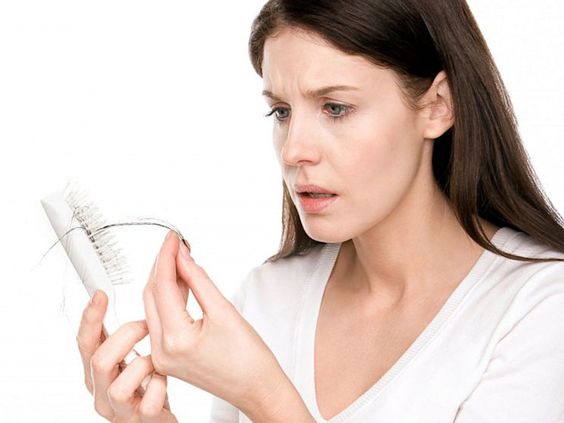
Practicing kapalbhati helps to reduce hair fall. It is also helpful to reduce the premature greying of hair.
Reduce Many Health Issues:
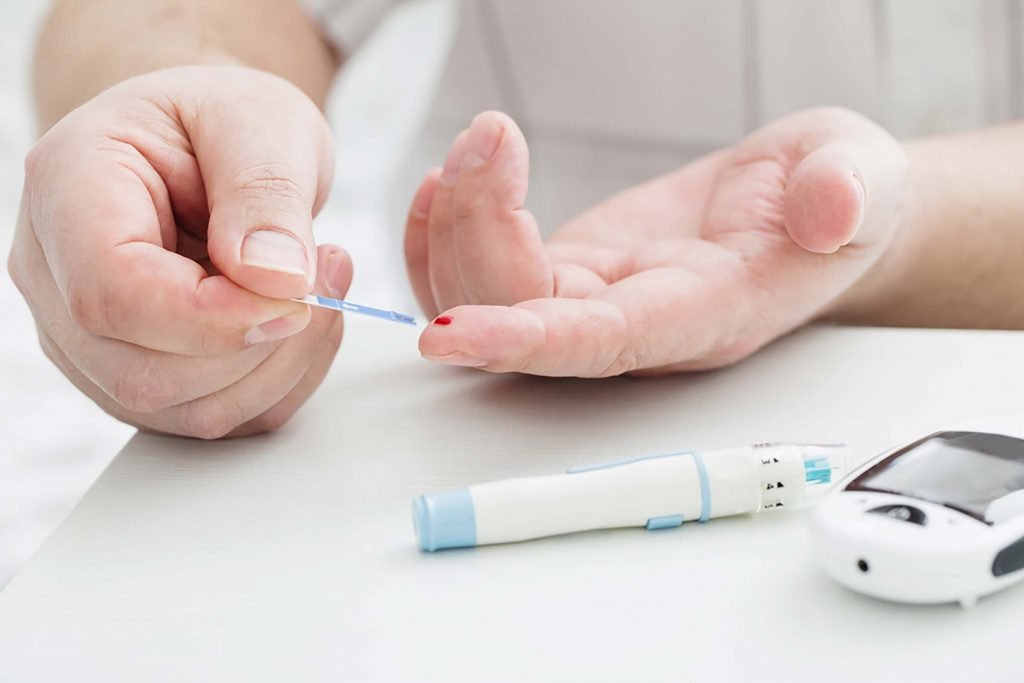
Kapalbhati Pranayam can also be done to remove the problem of gas, constipation, and blood disorders. Kapalbhati is a useful pranayama to treat acids, diabetes, and kidney diseases.
Reduces Cholesterol:
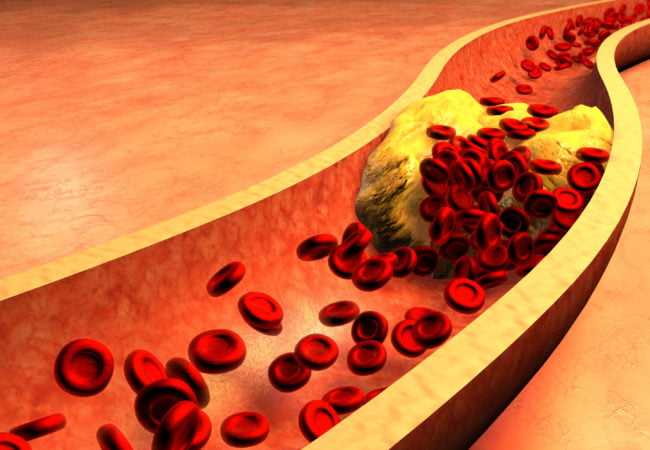
Cholesterol is directly related to heart diseases. Increasing cholesterol can put you at risk of heart attack and stroke. Kapalbhati Pranayam helps to reduce cholesterol. This is another important benefit of kapalbhati.
Increases Eyesight:
One of the great health benefits of kapalbhati is that it helps to improve eyesight. The regular practice of Kapalbhati Pranayam improves eyesight.
Beginner Kapalbhati Plan: Week 1 to Week 4
Begin with a small number of repetitions and rest between rounds. Practise only if you have no relevant contraindications.
| Week | Rounds | Strokes per round | Total strokes |
|---|---|---|---|
| Week 1 | 3 | 20 | 60 |
| Week 2 | 3 | 30 | 90 |
| Week 3 | 3 | 45 | 135 |
| Week 4 | 3 | 60 | 180 |
How to follow the plan
- Practise once daily initially, preferably in the morning before eating.
- Keep the exhalations controlled and avoid straining.
- Rest for 30–60 seconds between rounds, or longer if needed.
- Breathe normally during the breaks.
- Increase the repetitions only if you can complete the current level comfortably.
- If dizziness, pain, breathlessness or unusual discomfort occurs, stop immediately.
There is no need to complete the full table if a lower number of repetitions feels more comfortable. Some people should avoid Kapalbhati altogether because of their medical conditions.
Where Does Kapalbhati Fit in Baba Ramdev’s Seven-Pranayama Sequence?
Kapalbhati is commonly included in yoga routines popularised by Baba Ramdev. A frequently taught sequence includes the following practices, although the order and duration can vary between classes and demonstrations.
| Order | Practice | General purpose |
|---|---|---|
| 1 | Bhastrika | Active, rhythmic inhalation and exhalation |
| 2 | Kapalbhati | Active exhalation with passive inhalation |
| 3 | Bahya Pranayama | Exhalation followed by a controlled pause, traditionally with locks |
| 4 | Anulom Vilom | Alternate-nostril breathing |
| 5 | Bhramari | Humming exhalation |
| 6 | Udgeeth or Om chanting | Slow breathing with vocalised Om |
| 7 | Ujjayi | Controlled breathing with a gentle throat constriction |
The exact seven-practice format is not universal. Some Ramdev-associated routines use six main practices, combine Om chanting with another practice, or place Ujjayi differently.
For a beginner, it is not necessary to perform every technique at maximum duration. Learn each practice separately and build a comfortable routine under qualified instruction.
Three Traditional Types of Kapalbhati Pranayama
Classical yoga texts describe three forms of Kapalbhati: Vatakrama, Vyutkrama and Sheetkrama. They are not simply three different speeds of the same abdominal breathing exercise.
Vatakrama Kapalbhati:
Vatakrama is the air-based technique most people mean when they refer to modern Kapalbhati.
- It involves rapid, repeated breathing movements.
- In the commonly taught version, exhalation is active, and inhalation is passive.
- It is generally practised while sitting upright.
This is the version most closely associated with the abdominal pumping method discussed in this article.
Vyutkrama Kapalbhati:
Vyutkrama is a traditional nasal-cleansing practice involving water rather than repeated abdominal pumping.
- Water is drawn gently through the nostrils.
- It passes into the mouth and is expelled.
- The method requires appropriate technique and hygienic water.
This is a specialised cleansing practice and should not be attempted without instruction from someone experienced in traditional nasal-cleansing techniques.
Sheetkrama Kapalbhati:
Sheetkrama is another traditional water-based cleansing technique.
- Water is taken into the mouth.
- It is directed out through the nostrils using a learned technique.
- It differs from Vatakrama in both its method and purpose.
Sheetkrama and Vyutkrama are not necessary for beginners who simply want to learn breathing exercises. Avoid experimenting with water-cleansing methods if you have nasal problems or difficulty performing them safely.
What Does Science Say About Kapalbhati Pranayama ?
Scientific research on Kapalbhati pranayama is growing, but the evidence is not strong enough to support claims that it cures serious diseases or guarantees weight loss.
Research on heart rate variability (HRV)
Heart rate variability, or HRV, measures changes in the time intervals between heartbeats. Researchers use it to investigate aspects of the autonomic nervous system, which regulates functions such as heart rate and cardiovascular responses.
A study published in 2020 examined the immediate effects of five minutes of Kapalbhati in healthy volunteers. The researchers observed changes in HRV indicators consistent with a temporary reduction in parasympathetic activity, followed by changes during recovery. The study was small, so its findings should not be generalised to everyone.
Another study, published in 2022, investigated neurological and autonomic changes during Kapalbhati. It found significant changes in HRV measurements during and after practice, but the findings did not establish a universal long-term health benefit.
What does the systematic review say?
A systematic review published in 2016 examined 59 studies involving 2,358 participants and investigated yoga practices and HRV. Some studies suggested improvements in HRV or vagal activity with yoga, but the authors cautioned that many studies had small samples and methodological limitations.
Importantly, this review examined yoga practices broadly; it should not be interpreted as proof that Kapalbhati alone improves HRV.
Scientific evidence at a glance
| Question | What the evidence suggests |
|---|---|
| Does Kapalbhati affect HRV? | Yes, small studies report immediate changes, which can vary during practice and recovery. |
| Does it improve long-term heart health? | Not established by the available Kapalbhati-specific evidence. |
| Does it improve breathing function? | Some studies suggest possible benefits, but larger and better-designed trials are needed. |
| Does it cure diabetes, kidney disease or heart disease? | No reliable evidence establishes Kapalbhati as a cure. |
| Does it guarantee weight loss? | No. Its independent effect on body fat has not been established. |
The practical conclusion is that Kapalbhati may be useful as part of a broader yoga routine, but it should not replace prescribed medicines, medical treatment or evidence-based exercise.
Side Effects of Kapalbhati Pranayama
Kapalbhati can cause discomfort, particularly when performed too quickly, too forcefully or for too long.
Potential side effects include:
- Dizziness or light-headedness: May occur with excessive or rapid breathing.
- Headache: Can develop if you strain or breathe excessively.
- Abdominal discomfort: Repeated contractions may aggravate existing abdominal problems.
- Back pain: Poor posture, a rounded spine or excessive muscular tension can contribute to discomfort.
- Breathlessness or chest discomfort: These symptoms should not be ignored.
- Changes in blood pressure or heart rate: Fast breathing can produce acute cardiovascular responses.
If you experience dizziness, pain or unusual symptoms, stop and return to normal breathing. Seek medical assessment if symptoms persist, recur or are severe. Chest pain, fainting or severe breathlessness warrant urgent medical attention.
Who should avoid Kapalbhati?
Kapalbhati pranayama is a vigorous breathing practice and is not appropriate for everyone. Avoid it unless specifically cleared by a qualified healthcare professional if you have:
- Pregnancy: Avoid forceful abdominal pumping during pregnancy.
- Hernia: Abdominal pressure may aggravate the condition.
- High blood pressure: In particular, avoid it with uncontrolled hypertension.
- Heart disease: Rapid breathing and changes in cardiovascular activity may be inappropriate.
- Recent surgery: Do not resume until your treating clinician has cleared you, especially after abdominal, chest or spinal surgery.
People with glaucoma, significant vertigo, active abdominal ulcers or other conditions aggravated by straining should also seek individual medical advice.
If you have any of these conditions, choose a gentler breathing exercise recommended by your clinician or qualified yoga therapist instead.
Conclusion:
Baba Ramdev-style Kapalbhati pranayama is a well-known yogic breathing practice that uses active exhalations and passive inhalations. A beginner can learn the basic technique through short rounds, gradual progression and appropriate rest.
Traditional yoga describes three forms: Vatakrama, Vyutkrama and Sheetkrama, and modern research has begun investigating the physiological effects of Kapalbhati pranayama. However, current evidence does not justify claims that it cures serious illnesses or reliably eliminates belly fat.
For the best results, practise with correct technique, respect your physical limits, and combine yoga with a balanced lifestyle. If you have a medical condition or are unsure whether Kapalbhati pranayama is appropriate for you, seek professional guidance before beginning.
FAQs:
Q. How many times should I do Kapalbhati daily?
A. For a healthy beginner, one short session per day is a reasonable starting point. Begin with three rounds of 20 gentle strokes, resting between rounds. Increase gradually only if comfortable. More repetitions are not automatically better.
Q. Can I do Kapalbhati in the evening or after food?
A. Yes, some people practise in the evening, provided they are comfortable and have allowed sufficient time after eating. Avoid practising immediately after a meal. Morning practice on an empty stomach is the traditional recommendation.
Q. Does Kapalbhati reduce belly fat?
A. Kapalbhati engages the abdominal muscles, but there is insufficient evidence that it directly reduces belly fat. Overall fat loss depends on dietary habits, physical activity, and other lifestyle factors.
Q. What are the side effects of Kapalbhati?
A. Possible side effects include dizziness, headache, abdominal discomfort, back pain and changes in heart rate or blood pressure. Stop if you experience symptoms and avoid pushing through discomfort.
Q. Can people with high blood pressure practise Kapalbhati?
A. People with high blood pressure, especially uncontrolled hypertension, should avoid Kapalbhati unless their healthcare professional specifically clears it. Studies have reported acute increases in blood pressure during the practice. Gentler breathing techniques may be more appropriate.
Q. What is the difference between Kapalbhati and Bhastrika?
A. Kapalbhati emphasises active exhalation and passive inhalation, with the abdomen moving inward during exhalation. Bhastrika, often called bellows breathing, actively involves both inhalation and exhalation.
Both can be stimulating, and neither should be performed forcefully by someone with relevant medical contraindications.
Q. How many strokes per minute are recommended?
A. A government yoga-guidance document lists approximately 40–60 strokes per minute. Beginners should focus on controlled technique and may need a slower pace. There is no need to reach that speed immediately.
Q. Can I practise Kapalbhati every day?
A. Some healthy people include Kapalbhati in their daily yoga routine. Start with a short, comfortable session and progress gradually. Daily practice is not suitable for everyone, especially people with hypertension, heart disease, hernia, pregnancy or recent surgery.