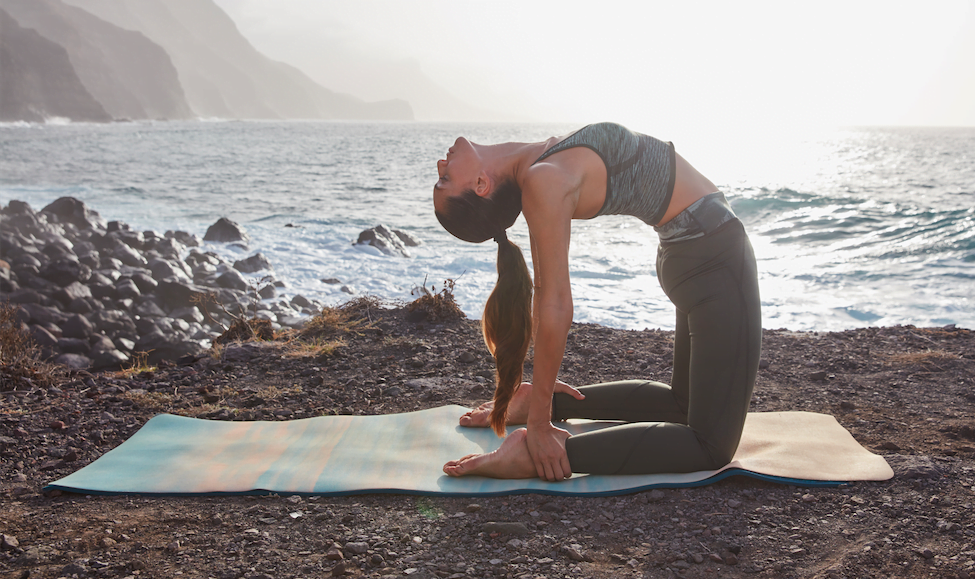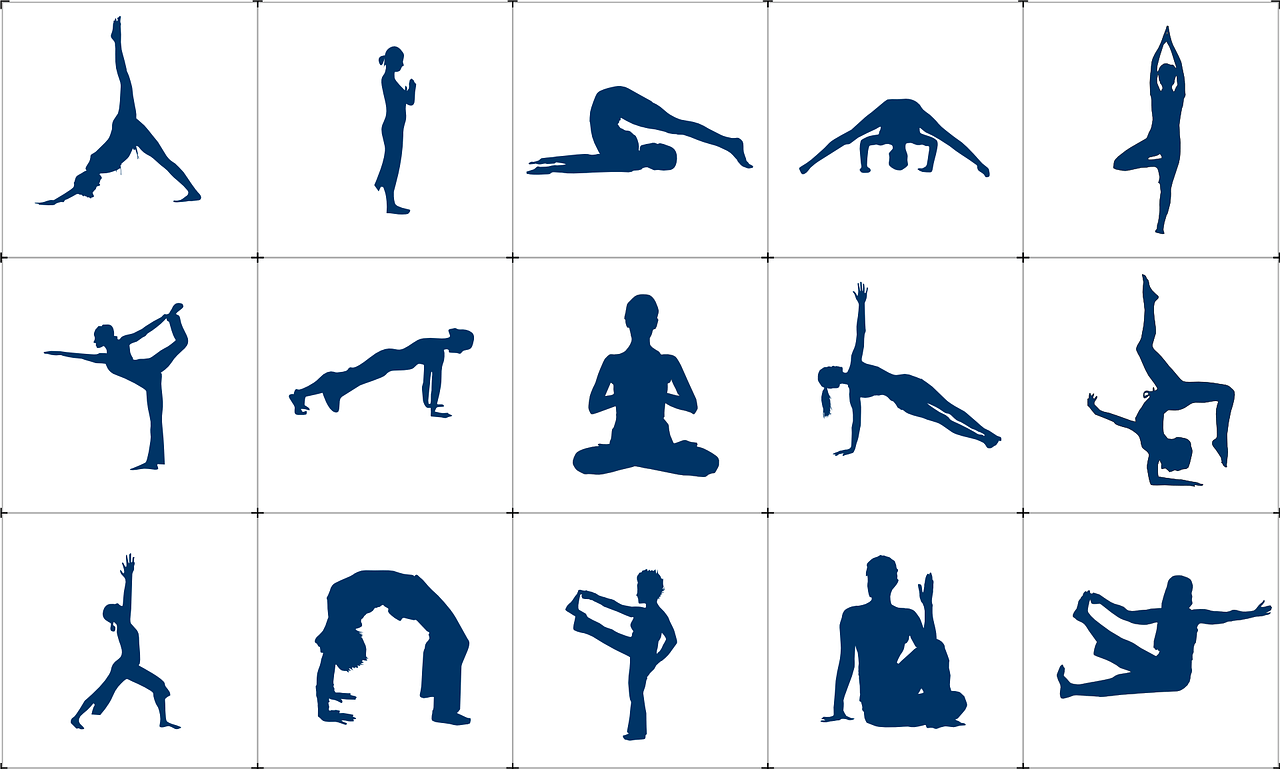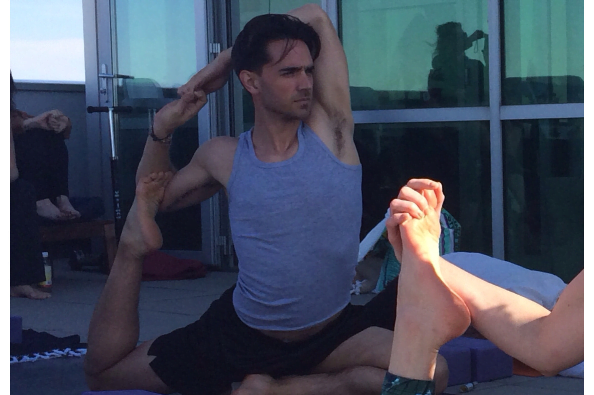

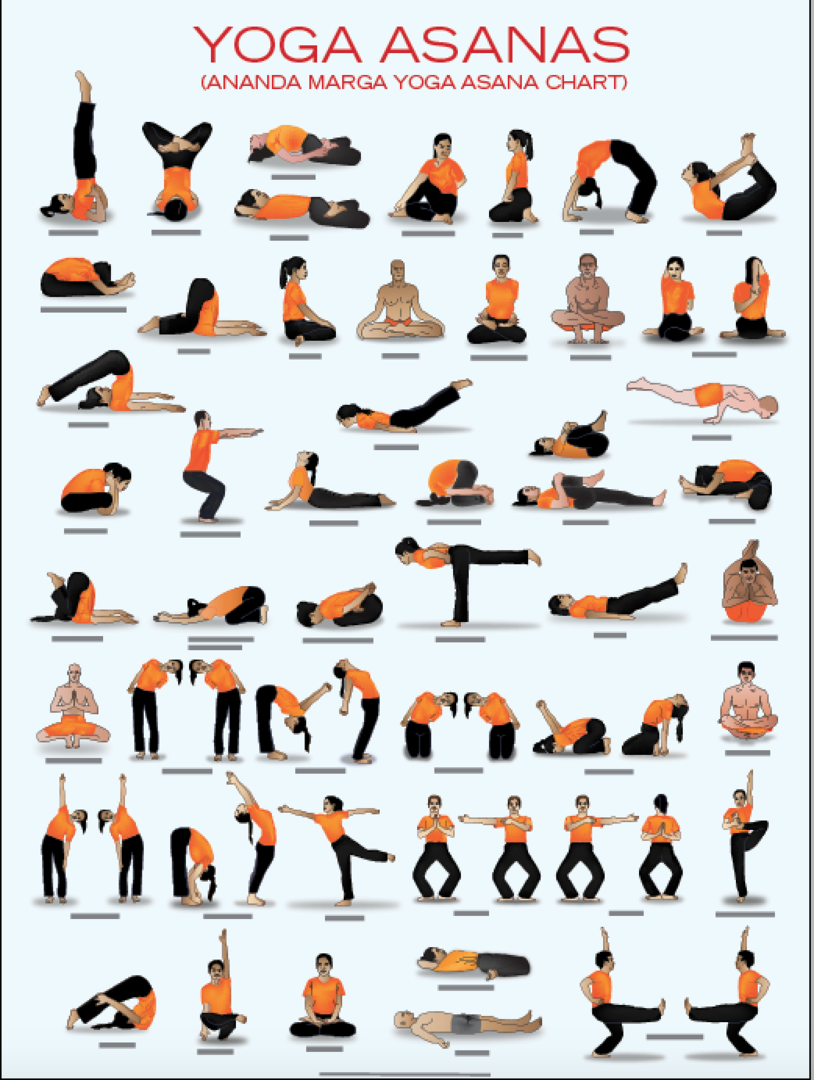
By doing yoga, our mind remains calm, and our body remains healthy. That is why our sages and saints have also been practicing yoga since ancient times. What is Yogasana? Yogasana means power and state. There are two words in Yogasana: first yoga, and second asana, out of which yoga means samadhi and asana means such a physical state. In which people do yoga in an easy state according to the capacity of their body. There are different types of asanas in yoga, which have different names. So, see the yoga chart with names.
Table of Contents
Method of Doing Yogasana:
- First of all, choose a calm environment to do yogasana.
- After choosing the environment, spread a mat on a flat surface.
- Sit cross-legged on the mat.
- Now straighten your back completely.
- Now start doing the type of asana you want to do.
- Remember that you should always do asanas on an empty stomach and try.
- You should do asanas only in the morning because doing asanas in the morning gives you many benefits.
- Apart from this, wear light clothes before doing yoga asana.
- Never practice yoga asanas in tight clothes.
- If you feel pain in the body while doing any asana, then you should stop practicing asanas.
- Do not eat food immediately after doing asanas. Eat food after at least 1 hour.
Yoga Chart with Names:
84 types of asanas have been mentioned in various ancient texts. However, their number has also been mentioned differently in different texts. 84 asanas have been mentioned in the text named Gau Raksha, while 52 asanas have been mentioned in Hathratnavali.
The main texts of Yogasana are Shiva Samhita, Hatha Yoga Pradeepika, and Gheranda Samhita. 84 asanas have been mentioned in Shiva Samhita.
Information about 15 asanas has been given in Hatha Yoga Pradeepika, and 32 asanas and 25 mudras in Gheranda Samhita. Some new asanas have also been created in the present time. Thus, there is no fixed number of them.
- Adhomukha Shvanasana
- Parsvottanasana
- Adhomukha Vrikshasana
- Akarna Dhanurasana
- Parvatasana
- Anantasana
- Anjaneyasana
- Uttana Shishunasana
- Ardha Chandrasana
- Ashtanga Namaskar
- Agnishtambhasana
- Ashta Vakrasana
- Baddhakonasana
- Bakasana
- Balasana
- Anand Balasana
- Bhairavasana
- Bhardwaj Asana
- Shashankasana
- Bhekasana
- Bhujangasana
- Horse operations
- Bhujapidasana
- Marjariasana
- Chaturanga Dandasana
- Dandasana
- Dhanurasana
- Durvasasana
- Garbhasana
- Garudasana
- Gomukhasana
- Gorakshasana
- Halasana
- Hanumanasana
- Janu Shirasana
- Gastrointestinal Parivartanasana
- Kapotasana
- Karnapidasana
- Kaundinyasana
- Crouchsana
- Kukkutasana
- Kurmasana
- Lolasana
- Makarasana
- Malasana
- Mandukasana
- Marichasana
- Matsyasana
- Matsyendrasana
- Mayurasana
- Muktasana
- Natarajasana
- Naukasana
- Padmasana
- Parsvottanasana
- Pasasana
- Paschimottanasana
- Pincha Mayurasana
- Prasarita Padottanasana
- Raj Kapotasana
- Salabhasana
- Salam Sarvangasana
- Right angle posture
- Shavasana
- Setubandh Sarvang Asana
- Siddhasana
- Throne
- Shirasasana
- Sukhasana
- Sleeping toe posture
- Sun Salutation
- Swastika Asana
- Palm seat
- Tittibhasana
- Trikonasana
- Trivikramasana
- Tulasan
- Upavisha Konasana
- Chakrasana
- Upward-facing dog posture
- Ustrasana
- Utkatasana
- Upliftment Asana
- Raised hand-thumb posture
- Vajrasana
- Vasishtasana
- Opposite Dandasana
- Reverse-doing posture
- Opposite Veerbhadrasana
- Virabhadrasana
- Pawan Muktasana
- Veerasana
- Half Matsyendrasana
- Vrikshasana
- Scorpion pose
- Deportation
- Yoga Nidrasana
- Half-pinch peacock seat
- Vyaghrasana
- Hand Padasana
- Kumbhakasana
Conclusion:
However, every asana has the same purpose of making the human body healthy. Yoga is mentioned many times in the ancient texts of India, and that is why, since ancient times, Indian sages have been practicing yoga, due to which they lived for a long time and remained healthy.
FAQs:
Q. What are the basic yoga poses for beginners?
A. Some of the best beginner-friendly yoga poses include:
Mountain Pose (Tadasana)
Child’s Pose (Balasana)
Cat-Cow Pose (Marjaryasana-Bitilasana)
Cobra Pose (Bhujangasana)
Downward-Facing Dog (Adho Mukha Svanasana)
Tree Pose (Vrikshasana)
Corpse Pose (Savasana)
Q. How often should beginners practise yoga?
A. Beginners should aim to practise yoga for 20–30 minutes, three to five times per week. Regular practice helps improve flexibility, strength, balance, and overall well-being.
Q. What are the benefits of practising yoga daily?
A. Daily yoga practice can:
Improve flexibility
Increase muscle strength
Enhance posture and balance
Reduce stress and anxiety
Improve sleep quality
Boost energy levels
Support better breathing
Increase mental focus
Q. Which yoga pose is best for improving flexibility?
A. Downward-Facing Dog, Triangle Pose, Seated Forward Bend, Butterfly Pose, and Cobra Pose are excellent for improving flexibility throughout the body.
Q. Which yoga pose is best for relaxation?
A. Child’s Pose (Balasana) and Corpse Pose (Savasana) are among the best yoga poses for relaxation. They help calm the nervous system, reduce stress, and promote mindfulness.
Q. Can yoga help with weight management?
A. Yoga can support weight management by increasing physical activity, improving muscle tone, reducing stress-related eating, and encouraging healthier lifestyle habits. Active styles such as Vinyasa and Power Yoga may burn more calories than gentle styles.
Q. Is yoga suitable for all age groups?
A. Yes. Yoga can be adapted for children, adults, and older adults. Beginners, seniors, and people with limited mobility can choose gentle poses or modified versions based on their abilities and health conditions.
Q. Which yoga pose is easiest for beginners?
A. Mountain Pose, Child’s Pose, Easy Pose, and Cat-Cow are among the easiest poses to learn.
Q. Is yoga suitable for all ages?
A. Yes. Yoga can be adapted for children, adults, and older adults with modifications based on fitness level and health conditions.