
Yoga is one of the most effective practices for improving both physical health and mental well-being. The practice of different types of yoga asanas plays a central role in yoga because these physical postures help strengthen the body, increase flexibility, and promote relaxation. Yoga asanas are designed to create harmony between the body, mind, and breathing.
The word “asana” originates from Sanskrit and refers to a posture or pose. In yoga, these poses are practiced in combination with controlled breathing and focus. Regular practice of yoga asanas can improve posture, increase energy levels, reduce stress, and support overall health. Over time, yoga also helps develop better body awareness and emotional balance.
Yoga asanas are generally classified into several categories depending on body movement and position. Each category targets different muscles and provides unique benefits for the body and mind.
Table of Contents
Major Categories of Different Types of Yoga Asanas:
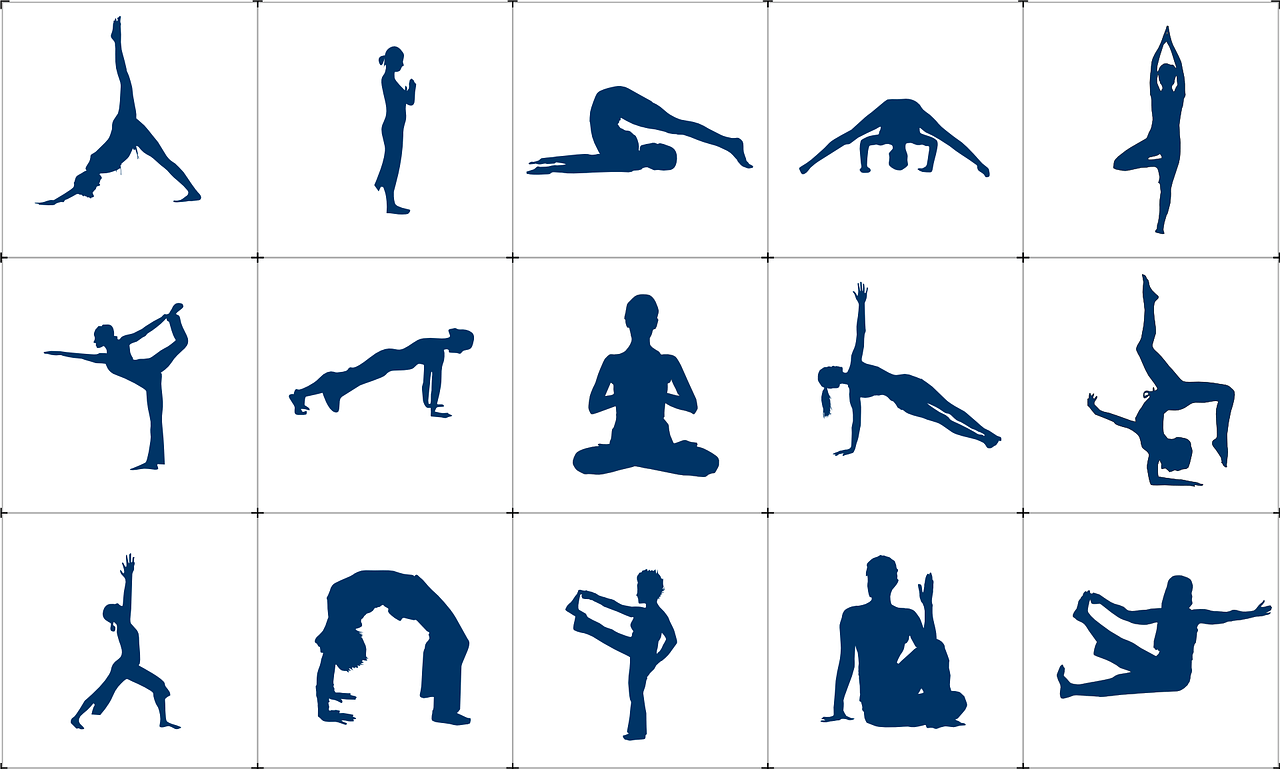
Yoga poses can be grouped into several categories depending on the movement and body position. Understanding these categories helps practitioners choose the right poses for their goals.
Standing Yoga Asanas:
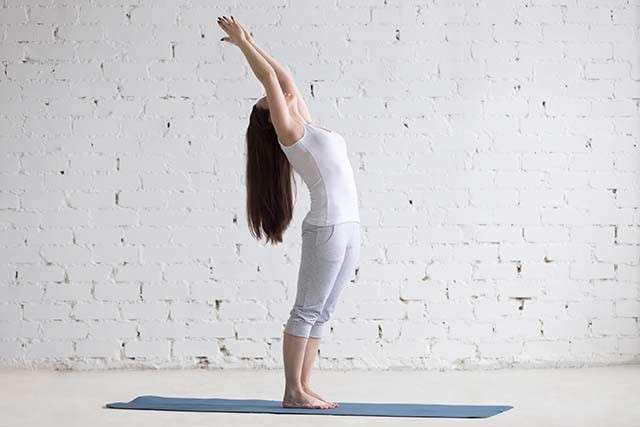
Standing yoga poses are considered the foundation of many yoga routines. These poses are practiced while standing and involve engaging the legs, hips, and core muscles. Standing asanas help build strength, stability, and endurance while also improving body alignment.
These poses are often included at the beginning of a yoga practice because they help warm up the body and prepare it for more advanced movements. Regular practice of standing asanas strengthens the lower body and improves posture. They also help develop balance and body awareness, which are important for overall physical stability.
Standing poses are especially beneficial for beginners because they build a strong base for learning other yoga poses. Standing yoga poses help build strength, stability, and endurance. These poses mainly focus on the legs, hips, and core while also improving posture and balance.
Standing Yoga Asanas Examples:
Common examples of standing yoga asanas include
- Tadasana (Mountain Pose),
- Virabhadrasana (Warrior Pose),
- Trikonasana (Triangle Pose),
- Utkatasana (Chair Pose), and
- Padahastasana (Standing Forward Bend).
These poses are often used at the beginning of yoga sessions to warm up the body and prepare it for more challenging movements.
Sitting Yoga Asanas:
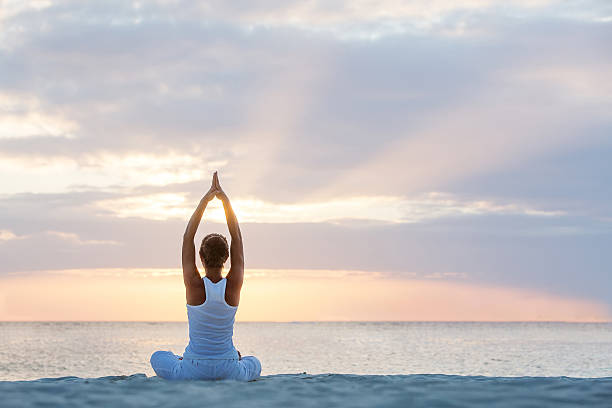
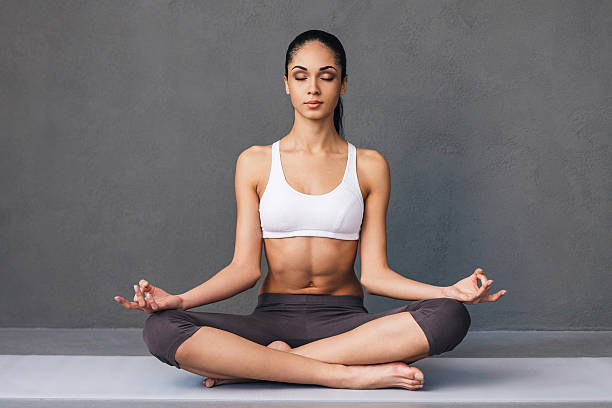
Sitting yoga asanas are usually performed on the floor and are commonly used for meditation and breathing exercises. These poses help improve flexibility in the hips and lower back while supporting proper spinal alignment.
Sitting poses are known for their calming effect on the body and mind. They allow practitioners to focus on breathing and mindfulness, which helps reduce stress and anxiety. Many yoga sessions include sitting poses to prepare the body for meditation or relaxation.
These asanas are also helpful for improving posture, especially for people who spend long hours sitting at desks.
Sitting yoga poses are usually practiced on the floor and are commonly used during meditation or breathing exercises. These poses help improve spinal alignment and increase flexibility in the hips and lower back.
Sitting Yoga Asanas Examples:
Popular examples of sitting yoga asanas include
- Padmasana (Lotus Pose),
- Sukhasana (Easy Pose),
- Dandasana (Staff Pose),
- Baddha Konasana (Butterfly Pose), and
- Vajrasana (Thunderbolt Pose).
These poses are ideal for improving posture and promoting mental calmness.
Forward Bending Yoga Asanas
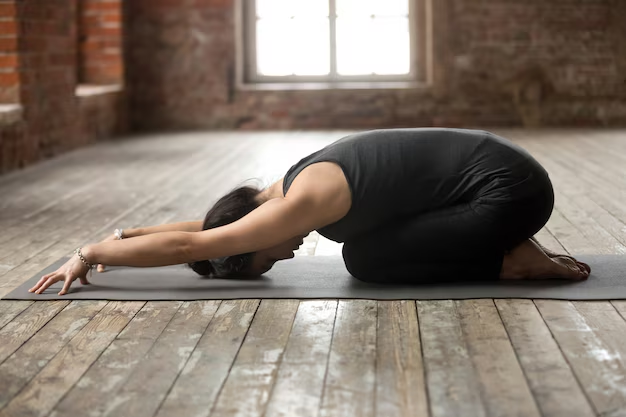
Forward bending poses involve bending the upper body toward the legs or the floor. These poses stretch the spine, hamstrings, and lower back while promoting relaxation.
Forward bends are known for their soothing effects on the nervous system. They encourage the body to relax and release tension, making them particularly helpful for reducing stress and fatigue. These poses also stimulate the digestive organs, which may support better digestion and metabolism.
Regular practice of forward-bending asanas improves flexibility and helps maintain a healthy spine.
Forward bending poses involve bending the upper body toward the legs or the floor. These poses stretch the spine and hamstrings while promoting relaxation.
Forward Bending Yoga Asanas Examples:
Examples of forward bending yoga asanas include
- Uttanasana (Standing Forward Bend),
- Paschimottanasana (Seated Forward Bend),
- Janu Sirsasana (Head-to-Knee Pose),
- Prasarita Padottanasana (Wide-Legged Forward Bend), and
- Balasana (Child’s Pose).
These poses help release tension in the back and improve flexibility.
Backward Bending Yoga Asanas
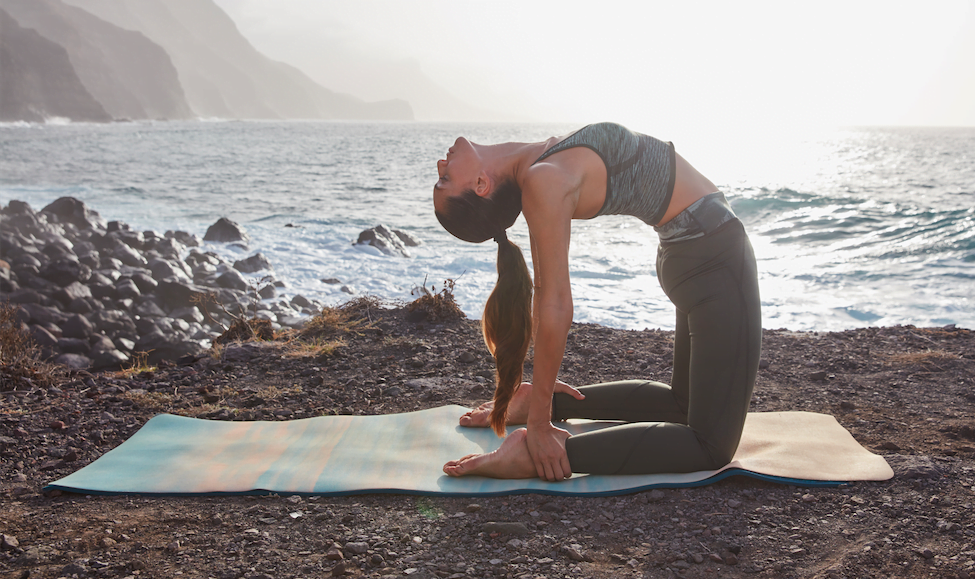
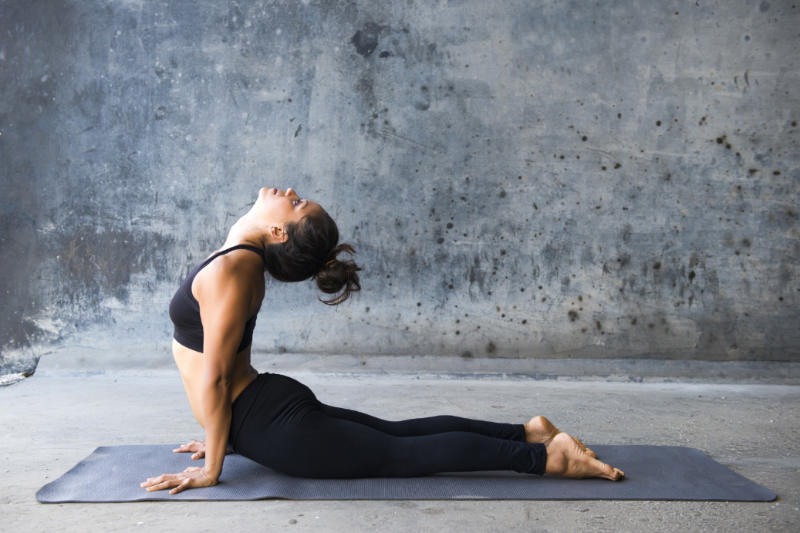
Backward-bending asanas, also known as backbends, involve arching the spine backward. These poses help open the chest, stretch the front of the body, and strengthen the back muscles.
Backbends are considered energizing poses because they increase blood circulation and expand the chest, allowing deeper breathing. They are often used to counteract the negative effects of long periods of sitting or poor posture.
Practicing backbends regularly improves spinal flexibility and strengthens the muscles that support the spine. These poses can also help boost confidence and energy levels.
Backward bending poses, also known as backbends, involve arching the spine backward. These poses strengthen the back muscles and open the chest.
Backward Bending Yoga Asanas Examples:
Some well-known examples include
- Bhujangasana (Cobra Pose),
- Ustrasana (Camel Pose),
- Setu Bandhasana (Bridge Pose),
- Dhanurasana (Bow Pose), and
- Chakrasana (Wheel Pose).
These poses improve spinal flexibility and help counteract poor posture caused by long periods of sitting.
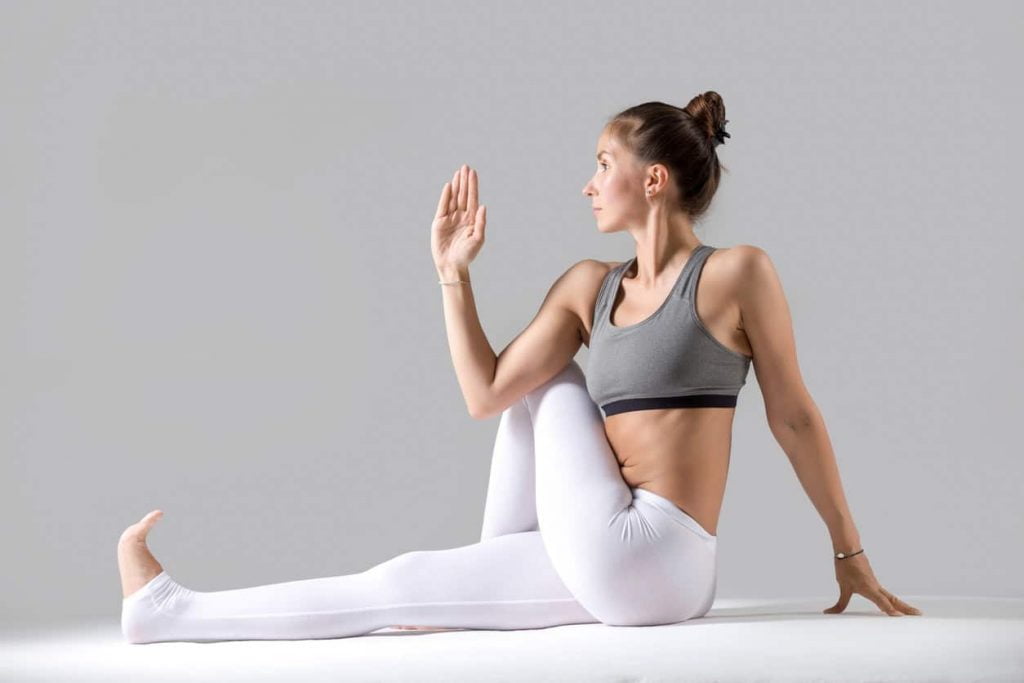
Twisting Yoga Asanas:
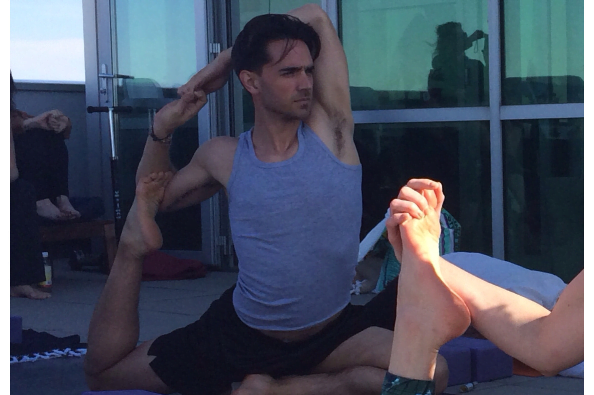
Twisting yoga asanas involve rotating the spine and torso. These poses help improve spinal mobility and support the proper functioning of internal organs.
Twisting movements gently massage the abdominal organs, which may help improve digestion and detoxification. These poses also help release tension in the back, shoulders, and neck.
Twisting asanas are often included in yoga routines to maintain spinal health and increase overall flexibility. They also help restore balance in the body after practicing other types of poses.
Twisting Yoga Asanas Examples:
Twisting poses involve rotating the spine and torso. These poses help maintain spinal flexibility and stimulate internal organs.
Common examples of twisting yoga asanas include
- Ardha Matsyendrasana (Half Lord of the Fishes Pose),
- Supta Matsyendrasana (Supine Spinal Twist),
- Parivrtta Trikonasana (Revolved Triangle Pose),
- Bharadvajasana (Seated Twist), and
- Marichyasana (Marichi’s Pose).
These poses help improve digestion and release tension in the spine.
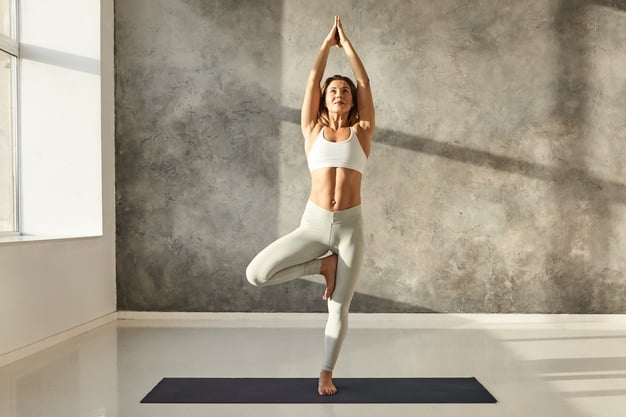
Balancing Yoga Asanas:
Balancing poses require concentration and body control because they involve maintaining stability in challenging positions. These poses strengthen the legs, core, and stabilizing muscles.
Practicing balancing asanas improves coordination and body awareness. They also help enhance focus and mental clarity because maintaining balance requires concentration and steady breathing.
Over time, balancing poses build confidence and improve physical stability. They also help strengthen muscles that support proper posture.
Balancing yoga poses requires focus and stability. These poses strengthen the legs and core while improving coordination.
Balancing Yoga Asanas Examples:
Examples of balancing yoga asanas include
- Vrikshasana (Tree Pose),
- Garudasana (Eagle Pose),
- Natarajasana (Dancer Pose),
- Ardha Chandrasana (Half Moon Pose), and
- Bakasana (Crow Pose).
These poses help develop concentration and body awareness.
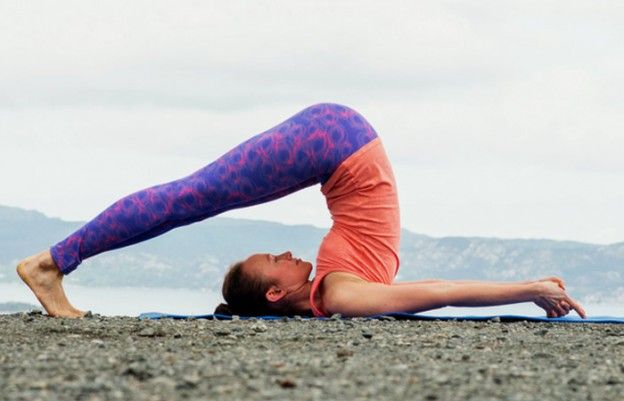
Inverted Yoga Asanas:
Inverted yoga poses involve turning the body upside down so that the head is positioned below the heart. These poses help improve blood circulation and deliver more oxygen-rich blood to the brain.
Inversions also strengthen the shoulders, arms, and core muscles. Many yoga practitioners believe these poses can increase energy levels and improve mental clarity.
Although inverted poses provide many benefits, beginners should practice them carefully and preferably under the guidance of an experienced instructor.
Inverted poses involve turning the body upside down so that the head is below the heart. These poses improve blood circulation and strengthen the upper body.
Inverted Yoga Asanas Examples:
Examples of inverted yoga asanas include
- Sirsasana (Headstand),
- Sarvangasana (Shoulder Stand),
- Halasana (Plow Pose),
- Pincha Mayurasana (Forearm Stand), and
- Viparita Karani (Legs Up the Wall Pose).
These poses help boost energy and improve mental clarity.
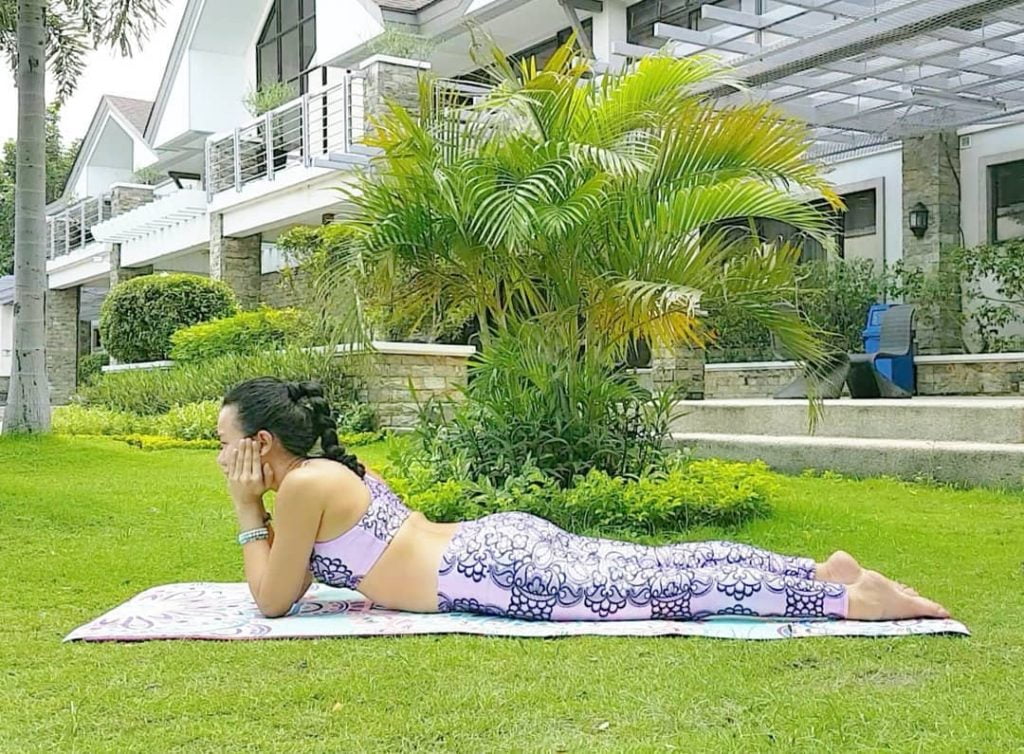
Restorative Yoga Asanas:
Restorative yoga asanas are designed to relax the body and calm the mind. These poses are performed slowly and held for longer periods to allow the body to release tension.
Restorative poses help reduce stress, promote deep relaxation, and improve sleep quality. They are often practiced at the end of a yoga session to help the body absorb the benefits of the practice.
These asanas are particularly helpful for people dealing with fatigue, stress, or recovery from intense physical activity.
Restorative poses are designed to relax the body and calm the mind. These poses are usually held for longer periods to allow deep relaxation.
Restorative Yoga Asanas Examples:
Examples of restorative yoga asanas include
- Savasana (Corpse Pose),
- Balasana (Child’s Pose),
- Supta Baddha Konasana (Reclining Bound Angle Pose),
- Makarasana (Crocodile Pose), and
- Supported Bridge Pose.
These poses help reduce stress and support recovery.
Benefits of Practicing Different Types of Yoga Asanas
Practicing different categories of yoga asanas regularly offers a wide range of health benefits. Physically, yoga improves flexibility, strengthens muscles, enhances posture, and supports joint mobility. It also improves blood circulation and helps maintain overall physical fitness.
Mentally, yoga helps reduce stress, increase concentration, and promote emotional stability. The combination of physical movement and mindful breathing allows the body to relax while improving mental focus.
Yoga is also known to support better sleep and improve overall energy levels, making it an effective practice for maintaining a balanced lifestyle.
Conclusion:
Understanding the different types of yoga asanas helps individuals create a well-balanced yoga practice that supports both physical and mental health. Each category of yoga poses serves a specific purpose, from building strength and flexibility to promoting relaxation and mental clarity.
By practicing a variety of yoga asanas regularly, individuals can improve posture, increase energy, reduce stress, and enhance overall well-being. Yoga is not only a physical exercise but also a holistic practice that helps create harmony between the body and mind. Consistent practice can lead to long-term health benefits and a more balanced lifestyle.
FAQs:
Q. What are yoga asanas?
A. Yoga asanas are the physical postures practiced in yoga. The term “asana” comes from Sanskrit and means posture or position. These poses are designed to improve flexibility, strength, balance, and overall health. Practicing yoga asanas regularly also helps calm the mind and reduce stress.
Q. How many types of yoga asanas are there?
A. There are many yoga poses in traditional yoga, but they are generally grouped into several main categories. These include standing poses, sitting poses, forward bending poses, backward bending poses, twisting poses, balancing poses, inverted poses, and restorative poses. Each category focuses on different movements and provides unique benefits for the body.
Q. Which yoga asanas are best for beginners?
A. Beginners should start with simple and basic yoga poses that help improve flexibility and strength without putting too much strain on the body. Easy standing poses, sitting poses, and gentle stretching poses are often recommended for beginners. Starting slowly helps the body adjust to yoga practice safely.
Q. What are the benefits of practicing different types of yoga asanas?
A. Practicing different types of yoga asanas offers many physical and mental benefits. Yoga improves flexibility, strengthens muscles, enhances posture, and supports better balance. It also helps reduce stress, improve concentration, and promote relaxation. Regular yoga practice can contribute to better overall health and well-being.
Q. How often should yoga asanas be practiced?
A. Yoga asanas can be practiced daily or several times a week, depending on a person’s schedule and fitness level. Even practicing yoga for 20 to 30 minutes a day can provide noticeable benefits. Consistency is more important than long sessions, and regular practice helps improve flexibility and strength over time.
Q. Can yoga asanas help reduce stress?
A. Yes, yoga asanas are known to reduce stress and promote relaxation. Many yoga poses encourage deep breathing and mindfulness, which helps calm the nervous system. Practicing yoga regularly can help reduce anxiety, improve mood, and create a sense of mental balance.
Q. Are yoga asanas safe for everyone?
A. Yoga asanas are generally safe for most people when practiced correctly. However, individuals with injuries or health conditions should consult a doctor or trained yoga instructor before starting. Beginners should practice slowly and avoid forcing their body into difficult poses to prevent injury.
Q. How long does it take to see benefits from yoga asanas?
A. Many people start noticing improvements in flexibility and relaxation within a few weeks of regular practice. Over time, yoga can lead to better posture, stronger muscles, improved balance, and enhanced mental clarity. The key is consistent practice and proper technique.