
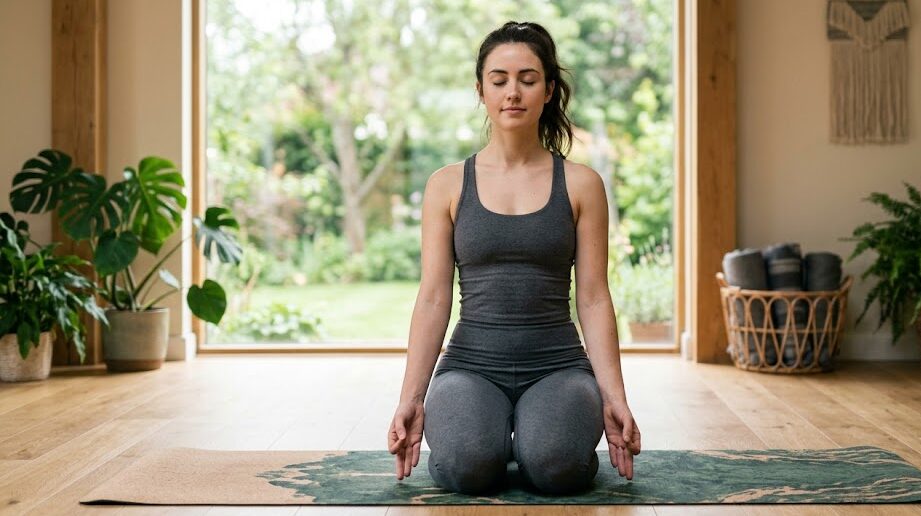
Sanskrit Name: Vajrasana (वज्रासन)
English Name: Thunderbolt Pose, Adamantine pose, Diamond pose, Pelvic pose, Kneeling Pose
Type of Yoga: Vinyasa Yoga
Level of Yoga: Basic
Duration: As per your capability or 2 to 5 Minutes
Target Area: Thighs, Ankles, Hips, Knees
Strengthens: Back, Legs
Vajrasana is the only such posture in all yoga asanas that can be done immediately after taking a meal. Vajrasana practice for health is highly beneficial. Individuals of any age can efficiently perform Vajrasana. This posture is also called Diamond Pose or thunderbolt pose in English. Today, we are going to provide you with the steps, benefits, and Vajrasana precautions in this article.
Yoga is not just an exercise, but a science. Now scientists have started accepting this as well. Yoga is a complete lifestyle, which can play an important role in changing your whole life. Yoga believes in learning from nature. So everything that is in nature. Actually, yoga is a part of science. Vajrasana is one such posture of yoga science. This asana can organize the scattered energy in the body.
One of the most distinctive things about Vajrasana is that, unlike most yoga postures, it can be practiced immediately after eating. It is commonly used as a comfortable seated posture for quiet breathing, meditation, and relaxation after meals. Traditional yoga guidance also recommends it after food, although scientific evidence that Vajrasana itself directly improves digestion is still limited.
This guide explains how to do Vajrasana correctly, how long to sit, how to make it more comfortable, its potential benefits, precautions, side effects, and whether it is useful for digestion, after meals, and weight loss.
Table of Contents
What Does It Mean By Vajrasana Or Thunderbolt Pose:
Vajrasana is composed of two words of Sanskrit: “Vajra” and “Asana”.
Where the first word is “Vajra (वज्र)”, which means “Dominant or Thunderbolt”
Whereas the second word is Asana (आसन), which means “Yoga Pose“.
Therefore, Vajrasana means the yogic posture that makes the body stronger like a diamond. Vajrasana is also called Diamond Pose or Thunderbolt Pose. Vajrasana makes the body healthy and strong.
Vajrasana helps in improving digestion and strengthens legs too. Due to this asana, the problems of digestion are removed from the root. In this article, we will tell you about how to do Vajrasana and Vajrasana precautions.
Vajrasana, also known as Diamond Pose or Thunderbolt Pose, offers numerous benefits. It promotes overall health and strength, aids digestion, and fortifies the legs. Considered one of the fundamental asanas, its advantages are manifold.
This seat is very beneficial for your digestive system. This is probably the only posture that can be done after eating food and by which your digestion improves.
This article describes the ways and means of doing the Vajrasana posture. Due to this asana, the problems of digestion are removed from the root. In this article, we will tell you about the way to practice it and the health benefits of Vajrasana.
Why sit in Vajrasana after eating?
The upright position may be comfortable after a meal and encourages relaxed breathing. Some people also find that sitting quietly in Vajrasana reduces the tendency to lie down immediately after eating.
Research specifically proving that Vajrasana itself improves digestion is limited, so it should be viewed as a supportive practice rather than a treatment for digestive disorders.
Preparatory Poses of Vajrasana or Thunderbolt Pose:
- Ardha Shalabhasana (अर्ध शलभासन) or Half Locust Pose
- Shalabhasana (शलभासन) or Locust Pose
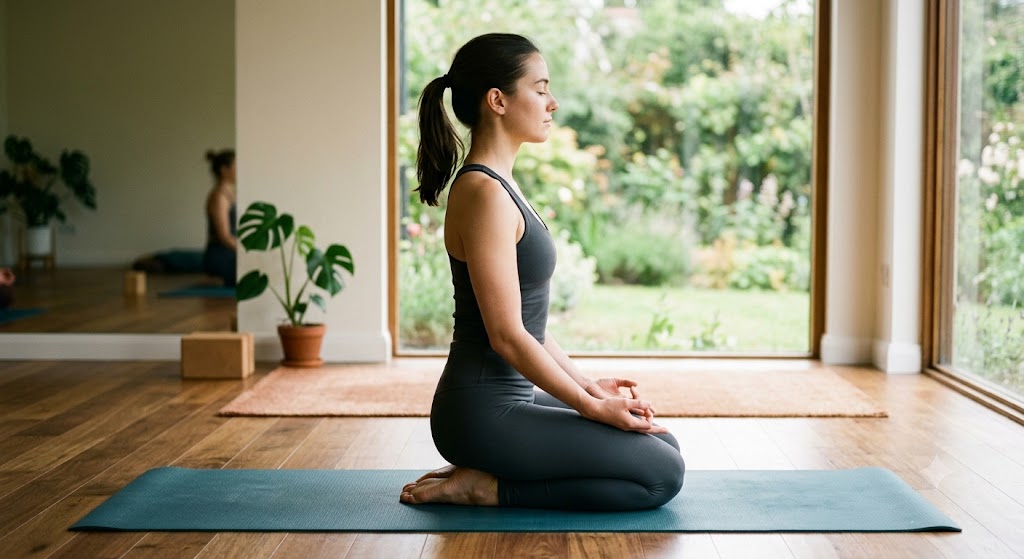
Step-by-Step Instructions to Practice The Vajrasana Or The Diamond Pose
Here we have given you the step-by-step instructions to practice this yoga, and the Vajrasana precautions will also be provided in this article. So, the steps of Vajrasana are…
Follow these steps to practice Vajrasana comfortably:
Step 1: Kneel down
Place a yoga mat or another firm, comfortable surface on the floor. Kneel with your knees together or slightly apart, depending on what feels comfortable.
Step 2: Sit back toward your heels
Slowly lower your hips toward your heels.
Your feet should remain behind you, with the tops of the feet resting on the floor and the toes pointing backward.
Step 3: Find a comfortable seat
Ideally, your hips rest between or over your heels without forcing the knees or ankles.
If your hips cannot comfortably reach your heels, use a cushion, yoga block, or folded blanket for support.
Step 4: Straighten your spine
Keep your head, neck, and spine comfortably upright.
Do not force your chest forward or arch your lower back excessively.
Step 5: Place your hands
Rest your hands gently on your thighs or knees.
Step 6: Breathe normally
Close your eyes if comfortable and take slow, relaxed breaths through the nose.
There is no need to force deep breathing or hold your breath.
Step 7: Come out slowly
When you finish, don’t suddenly stand up.
Lean slightly to one side, carefully extend one leg and then the other, and allow your ankles and knees to relax.
Follow-Up Poses of Vajrasana:
- Makarasana (मकरासन) or Crocodile Pose
- Balasana (बालासन) or Child Pose
- Shavasana (शवासन) or Corpse Pose
How Long Should You Sit in Vajrasana?
You do not need to sit in Vajrasana for a long time when you’re beginning.
A simple progression is:
- Beginner: 30 seconds
- After several comfortable sessions: 1–2 minutes
- Regular practice: 3–5 minutes
- Experienced practitioners: 5–10 minutes, if completely comfortable
The goal is not to tolerate pain or numbness. Increase the duration gradually as your knees, ankles, and feet become accustomed to the position.
If you experience sharp pain, significant numbness, tingling, or increasing discomfort, come out of the pose rather than trying to push through it.
How to Make Vajrasana More Comfortable
If sitting directly on your heels is uncomfortable, you don’t have to force the position.
Try these modifications:
Put a blanket under your ankles
A folded blanket beneath the ankles or feet can provide additional cushioning and reduce pressure.
Use a cushion between your heels and hips
Place a firm cushion, bolster, or folded blanket between your heels and hips. Sit on the support instead of forcing your hips all the way down.
Use a yoga block
A yoga block can also be placed between the heels and hips to raise the sitting height.
The purpose of these modifications is simple: reduce excessive pressure and allow you to maintain a relaxed, upright position.
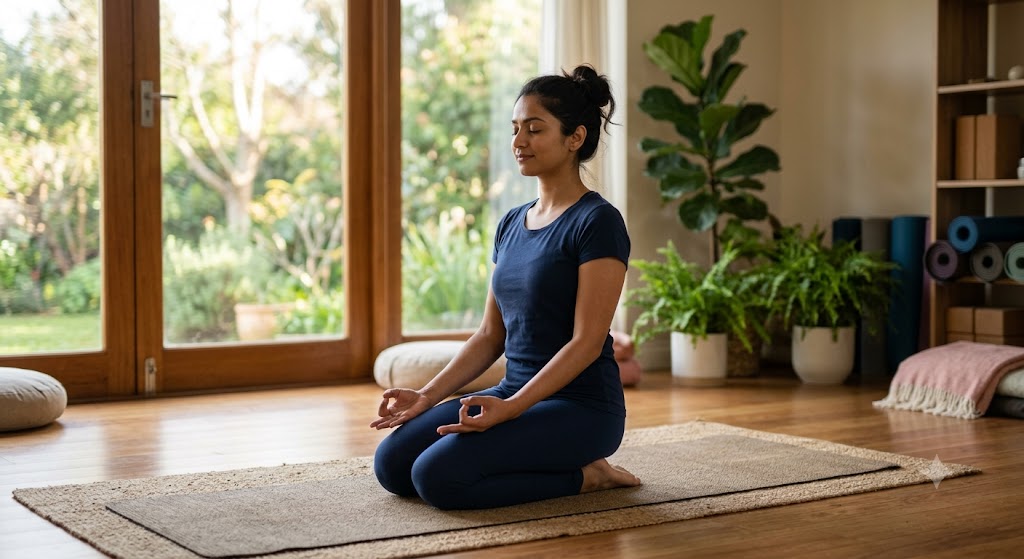
The Benefits of Vajrasana:
Unlike many other yoga poses, Vajrasana can be practiced after meals. Regular practice can provide several physical and mental benefits.
Improves Digestion:
One of the main benefits of Vajrasana is that it may support digestion. Sitting in this posture after meals encourages an upright position and may help the digestive system function properly. It is therefore commonly practiced for a few minutes after eating.
Improves Posture:
Vajrasana helps maintain a straight spine and encourages proper sitting posture. Regular practice may improve body awareness and help reduce poor sitting habits.
Promotes Relaxation:
Vajrasana provides a stable and comfortable position for slow breathing and relaxation. It may help calm the mind, reduce everyday stress, and promote a sense of peace.
Strengthens Lower Body:
While sitting in Vajrasana, the muscles around the thighs, ankles, knees, and lower legs are engaged. Regular practice can gradually improve flexibility and stability in these areas.
Supports Meditation:
Vajrasana is widely used for meditation and breathing exercises because it provides a steady seated position. It allows practitioners to focus on their breathing and maintain concentration for longer periods.
Helps Improve Flexibility:
Regular practice can gently stretch the muscles and joints of the lower body. With consistent practice, it may improve flexibility around the ankles, knees, and hips.
Side Effects of Vajrasana
Vajrasana is generally a gentle posture when practiced appropriately, but some people may experience discomfort.
Possible problems include:
- Knee pain
- Ankle pain or stiffness
- Pressure or discomfort in the feet
- Temporary numbness or tingling
- Tightness around the ankles or thighs
- Difficulty getting up after prolonged sitting
These symptoms are a signal to modify the pose or stop.
Mild stretching is different from pain. Do not force yourself to remain in Vajrasana through sharp or increasing pain.
If pain continues after stopping, seek appropriate medical advice.
Who Should Be Careful With Vajrasana?
Take extra care if you have:
- A current knee or ankle injury
- Recent surgery involving the knee, ankle, or lower limb
- Severe ankle stiffness
- Significant joint pain
- A condition that makes kneeling difficult
- A serious spinal or musculoskeletal condition
People with medical conditions should get individualized advice rather than relying on general yoga instructions.
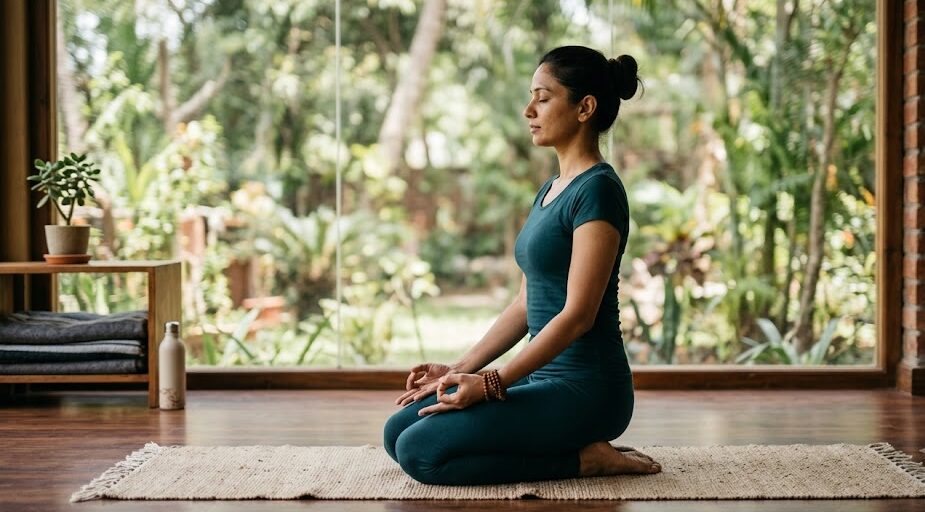
Vajrasana for Weight Loss:
Can Vajrasana help with weight loss?
Vajrasana alone is not a weight-loss exercise.
Sitting in Vajrasana uses relatively little energy, so it should not be considered a significant calorie-burning activity.
However, Vajrasana may still fit into a healthy weight-management routine by providing a calm seated practice after meals and encouraging mindful breathing and body awareness.
For actual fat loss, focus on the bigger picture:
- A sustainable calorie-controlled diet
- Regular walking or other aerobic activity
- Strength training
- Adequate sleep
- Consistent daily movement
Use Vajrasana as a supportive yoga practice not as a shortcut for losing belly fat.
Watch our Vajrasana demonstration video:
In the video, demonstrate:
- Correct starting position
- How to sit back onto the heels
- Spine and hand placement
- How to use a cushion or yoga block
- How beginners can start with 30 seconds
- How to safely come out of Vajrasana
A short demonstration can make the posture much easier to understand than written instructions alone.
Conclusion:
Vajrasana is a simple and accessible seated yoga posture that can be particularly useful after meals. Its most practical feature is that it can be practiced immediately after eating, unlike many more active yoga postures.
Start slowly—30 seconds is enough for a beginner. Use a blanket, cushion, or yoga block if your ankles or knees need extra support, and gradually work toward 5-10 minutes only if the position remains comfortable.
Most importantly, listen to your body. Vajrasana should feel stable and manageable, not painful. If you have knee, ankle, spinal, pregnancy-related, or other medical concerns, get individualized advice before making it part of your routine.
FAQs:
Q. Can I do Vajrasana after eating?
A. Yes. Vajrasana is traditionally practiced immediately after meals and is one of the commonly recommended yoga postures for post-meal sitting. Start with a short period, such as 30 seconds, and increase gradually if comfortable. Evidence that Vajrasana itself directly improves digestion is limited.
Q. How long should I sit in Vajrasana?
A. Beginners can start with 30 seconds and gradually increase the duration. If the posture remains comfortable, you can build toward 5-10 minutes. There is no requirement to sit for a specific amount of time.
Q. Is Vajrasana good for knees?
A. Vajrasana can be comfortable for some people, but it places the knees in deep flexion. It should not be considered a treatment for knee disease. If you have knee pain, injury, arthritis, or recent surgery, get professional guidance before practicing.
Q. Can I do Vajrasana on a bed?
A. It is preferable to practice on a firm, stable surface. A soft mattress can make the body unstable and may place the knees and ankles in an awkward position.
Q. Vajrasana vs walking after meals, which is better?
A. It depends on your goal. Vajrasana is useful as a quiet, upright seated practice after eating. Walking provides actual physical activity and has stronger evidence for reducing post-meal blood-glucose elevations.
If you are able to walk comfortably, a gentle post-meal walk is a good addition to your routine.
Q. Can pregnant women do Vajrasana?
A. Some pregnant women may be able to practice a modified Vajrasana comfortably, but pregnancy requires individualized exercise guidance. As pregnancy progresses, the posture may need to be modified or avoided if it becomes uncomfortable. Speak with your healthcare provider, particularly if you have a high-risk pregnancy or any pregnancy-related complications.
Q. Can I practice Vajrasana every day?
A. If you can practice it comfortably without pain, Vajrasana can be included in a daily routine. Start with a short duration and gradually increase the time.
Q. Is Vajrasana good for digestion?
A. Vajrasana is traditionally associated with digestion and is commonly practiced after meals. Sitting upright and breathing calmly may feel comfortable after eating, but there is limited scientific evidence that Vajrasana itself directly improves digestion.
Q. Does Vajrasana reduce belly fat?
A. No yoga pose can selectively remove belly fat. Vajrasana itself burns relatively few calories and should not be relied upon for weight loss. For reducing body fat, combine a suitable diet with regular physical activity and strength training.